
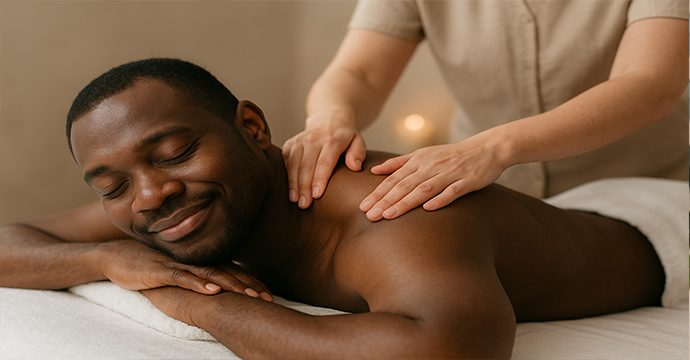
Swedish Massage: What to Expect, Benefits, and How to Get the Most From Each Session
You finish a long workday, and your shoulders feel like they’ve been glued to your ears. Your mind’s still racing, your back feels tight, and sleep doesn’t come as easily as it should. When your body stays stuck in that tense mode, even small tasks can feel heavier.
That’s where Swedish Massage fits in. It’s a classic, relaxation-focused massage that uses smooth, flowing strokes (plus gentle kneading and light stretching) to help your muscles ease up and your body feel calmer. Pressure is usually gentle to medium, so it’s a good option if deep pressure sounds like too much or if you’re starting with massage for the first time.
In a typical session, you’ll talk through your comfort level, any sore spots, and what you want from the time. Then your therapist works through areas like the neck, shoulders, back, arms, and legs with steady, rhythmic movements that encourage relaxation and support circulation. You can always ask for more or less pressure, because a great session should feel safe and comfortable, not like you’re bracing for impact.
This style is often best for people who want to unwind, manage everyday stress, loosen general muscle tightness, or recover from a busy week. It can also help you reconnect with your body, especially if you’ve been sitting a lot or feeling run down. At the same time, it’s not meant to “fix” injuries on its own, and it won’t replace medical care if something feels sharp, severe, or persistent.
Up next, you’ll learn what to expect on the table, the most common benefits, who Swedish massage suits best, and a few simple ways to get more out of every session (before, during, and after).
Swedish Massage basics: what it is, how it works, and what it is not
Swedish Massage is the “classic” massage style most people picture: smooth, flowing strokes, gentle kneading, and a steady pace that helps your body shift out of stress mode. The main goals are simple, relax tight muscles, calm the nervous system, and support healthy circulation so your body feels warmer, looser, and more at ease.
It also helps to know what Swedish Massage is not. It’s not a treatment that “breaks up” injuries, forces knots to disappear in one session, or pushes you through sharp pain. Think of it more like turning down the volume on tension, rather than trying to win a fight with your muscles.
A good Swedish Massage feels like your body can finally exhale. You might feel tender in spots, but you shouldn’t feel threatened by the pressure.
The five classic Swedish Massage strokes, explained in everyday words
Therapists often blend five core techniques throughout a Swedish Massage. You may not hear these names during your session, but you’ll feel the difference as the massage moves from warm-up to deeper work, then back to calm.
- Effleurage (gliding strokes): This feels like long, smooth “ironing” strokes over the skin, often on the back, legs, arms, and neck. The therapist uses their palms and forearms to spread oil or lotion and warm the tissues. As a client, you’ll notice your breathing slow down, and your body starts to stop bracing. It’s also how your therapist checks what feels tight or sensitive, without jumping in too fast.
- Petrissage (kneading and lifting): This is the classic knead, squeeze, and gently roll motion, like working dough, but on muscles. You’ll feel it most on fleshy areas like the shoulders, upper back, thighs, and calves. Petrissage helps muscles soften and can reduce that “stuck” feeling you get after sitting or training. During this stroke, you might notice a pleasant ache that fades quickly, plus a feeling of warmth as circulation increases.
- Friction (focused rubbing): Friction is smaller, more targeted work, often done with thumbs or fingertips. It can feel like firm, controlled rubbing in one spot, for example along the shoulder blades, the sides of the neck, or around a stubborn knot in the upper back. Therapists use friction to address tight bands and “sticky” areas that don’t relax with broad strokes alone. As a client, you’ll likely feel the most intensity here, so it’s the time to speak up if it’s too much.
- Tapotement (rhythmic tapping): This includes light chopping, cupping, or tapping movements. It feels percussive and bouncy, and it’s usually brief. A therapist may use it on the back, glutes, or legs to wake tissues up and add a burst of energy. If you’re very stressed or sensitive, you might prefer less of this. If you’re sluggish, it can feel refreshing.
- Vibration (gentle shaking or rocking): Vibration can feel like a soft tremble, jiggle, or rocking through an area like the legs, arms, or shoulders. It’s often used to help a muscle “let go” after deeper work. Clients often notice a strange but relaxing looseness, like tension has unplugged from the area. It can also calm the body when done slowly and lightly.
Most sessions mix these strokes in a natural flow. That flow is part of why Swedish Massage feels so calming, your body gets steady, safe input, and your nervous system starts to downshift.
Pressure, pace, and positioning: what makes Swedish Massage different from deep tissue
Swedish Massage and deep tissue can both help with tight muscles, but they feel very different on the table. The biggest differences come down to pressure, pace, and how the therapist positions your body to access certain muscles.
Here’s a simple “table in words” comparison:
- Swedish Massage: Pressure is usually light to medium, with a smooth, flowing pace. The therapist often uses broad strokes across the back, neck, arms, and legs. The goal is relaxation, easing general tightness, and helping circulation. Choose this if you want to unwind, sleep better, or loosen everyday tension without feeling worked over.
- Deep tissue massage: Pressure is firmer, slower, and more focused. The therapist sinks into deeper layers and holds pressure longer, often on specific problem areas like the upper back, hips, or calves. It can feel intense, especially if you’ve got dense, stubborn tightness. Choose this if you want targeted work and you’re comfortable with stronger pressure (while still avoiding sharp pain).
- Sports massage: This style depends on your activity and timing. Some sports massage is relaxing, while other sessions are very specific, with techniques that prep muscles before an event or help recovery after training. The pace can change a lot, and you may notice more work on legs, hips, and shoulders, plus movement-based techniques. Choose this if you train regularly, have a sport-specific complaint, or want help with recovery patterns.
Positioning matters too. Swedish Massage often keeps you in comfortable, supported positions (on your back, stomach, or side) so you can relax fully. Deep tissue and sports work may use more bolstering, stretching, or angle changes to reach deeper muscles.
If you’re not sure what you need, start with Swedish Massage and ask for a little more pressure where it helps. You can always go deeper in future sessions once you know how your body responds.
Oil, lotion, and draping: what to expect for comfort and privacy
Oil or lotion is a big part of Swedish Massage because it helps the therapist’s hands glide smoothly. Without it, the strokes can feel draggy, and your skin may get irritated. Most places use a neutral, skin-friendly product; if you have allergies or sensitive skin, say so before the session starts.
Draping protects your privacy while still allowing the therapist to work effectively. Typically, you’ll lie under a sheet or towel, and only the area being worked on will be uncovered. For example, when the therapist works on your right leg, the rest of your body stays covered. When they switch to your back, the drape adjusts again.
Clothing options are also normal to discuss. Many clients undress to their comfort level and stay covered by the drape. Others keep underwear on. In some cases, you can keep a sports bra or shorts if that helps you relax, although it may limit access to certain areas like the shoulders, glutes, or hip muscles.
Consent and boundaries should feel simple and respected:
- You can ask the therapist to avoid certain areas (for example, abdomen, glutes, feet, or scalp).
- You can ask for less oil, different pressure, or a slower pace.
- You can pause or stop the massage at any point, no explanation needed.
A professional session should feel safe, clear, and calm. If anything feels off, trust that feeling and speak up right away.
Common add-ons that pair well with Swedish Massage (and when to skip them)
Add-ons can make a Swedish Massage feel more personalized. Still, more isn’t always better. The right extra depends on what your body needs that day, and what you personally enjoy.
Aromatherapy (essential oils) adds scent to help set a mood, often calming (like lavender) or refreshing (like citrus). Many people love it because it makes the room feel soothing and can deepen relaxation. Skip it if you get migraines, asthma flares, or nausea from strong smells, and ask for unscented products instead.
Hot stones bring steady heat that helps muscles soften faster, especially in the back and shoulders. It can feel like a warm compress that melts tension. Skip it if you’re heat-sensitive, have inflammation that feels hot to the touch, or you just prefer a cooler session. Always mention any circulation issues or reduced sensation so the temperature stays safe.
Scalp massage can be incredibly calming, especially if you carry stress in your jaw, temples, or forehead. It’s great if you spend a lot of time on screens or struggle to switch off mentally. Skip it if you have scalp tenderness, certain skin conditions, or you’d rather avoid oils in your hair.
Foot massage pairs well with Swedish Massage because your feet hold a lot of daily strain. You may notice your whole body relax when the therapist spends time on the arches and calves. Skip or modify it if your feet are very ticklish, sore from a recent injury, or sensitive from conditions like plantar fasciitis (unless you’re sure gentle work feels good).
Gentle stretching helps when you feel stiff, especially in the hips, hamstrings, chest, and shoulders. It can also help you notice where you hold tension. Skip deeper stretches if you’re hypermobile, recently injured, or you feel sharp pulling. A good therapist will keep stretches slow and within your comfort range.
If you’re choosing just one add-on, match it to your goal. For a quieter mind, pick aromatherapy or scalp work. For tight muscles, try hot stones or gentle stretching. For “heavy legs,” add foot and calf focus.
Benefits people notice from Swedish Massage, plus realistic timelines
Swedish Massage is famous for how good it feels in the moment, but the real win is what happens after you get off the table. Most people notice a calmer nervous system, less muscle guarding, and a softer “braced” feeling in the body. Still, timelines vary because your sleep, stress load, posture, training, and hydration all shape your results.
A helpful way to think about it is this: one session can change how you feel today, while a short series can change how your body behaves week to week. Below are the benefits people report most often, what’s realistic after one appointment, and what tends to improve with consistency.
Stress relief and better sleep: what is happening in your body
When life feels loud, your body often acts like it’s on standby for danger. Shoulders creep up, your jaw tightens, and your breathing stays shallow. Swedish Massage nudges you toward the opposite state, often called the relaxation response. In plain terms, your breathing slows, your mind stops scanning for problems, and your muscles stop “holding on” so hard.
You might notice signs of this during the session, like a warm, heavy feeling in your limbs, a quiet mind, or even a sudden yawn. Afterward, many people feel calmer and a bit floaty. That’s normal, and it’s one reason Swedish Massage can support better sleep quality. It doesn’t force sleep, but it can make it easier to fall asleep because your body is less tense.
Here’s a realistic timeline that matches what many regular clients experience:
- After one session: Your mind may feel quieter for the rest of the day. That night, sleep can come faster, and you may wake less.
- After 2 to 4 sessions: You may notice your stress baseline drop. Small annoyances feel less sharp, and evening wind-down becomes easier.
- After a month or two of routine sessions: You may recover faster from stressful weeks, because your body “remembers” how to relax.
A few simple habits can make the calm stick longer:
- Schedule smart: Book when you can rest after, even if it’s just a slower evening. If you jump straight into traffic, calls, and heavy errands, you’ll burn through the benefits faster.
- Keep hydration normal: Drink water like you usually do. You don’t need to “flush” anything, but being dehydrated can make you feel headachy or tired.
- Avoid heavy meals right before: A big meal can make you uncomfortable on the table. Aim for something light 1 to 2 hours before.
If you want Swedish Massage mainly for sleep, treat the rest of your day like a soft landing. Quiet evening, simple food, and an earlier bedtime often make the difference.
Sore muscles, stiffness, and desk posture pain: where Swedish Massage helps most
Most modern soreness comes from the same pattern: long sitting, short walking, lots of screen time, and stress held in the upper body. Swedish Massage helps most when pain is tied to tightness, muscle fatigue, and mild stiffness, not when pain is driven by a serious injury.
The most common “yes, this helps” areas include:
Neck and shoulder tension
Hours at a desk can turn your upper traps into a constant shrug. Swedish Massage uses broad strokes and kneading to reduce that guarded feeling. People often report easier head turns and less tightness across the collarbone area.
Lower back tightness from sitting
Sitting can make the hips feel stuck and the low back feel overworked. Swedish Massage can relax the surrounding muscles (glutes, hip rotators, lower back), which often reduces that end-of-day ache.
Leg fatigue and heavy-feeling calves
Long days on your feet, travel, or training can leave legs feeling dense and tired. Massage can make the tissues feel warmer and more elastic. Many clients describe it like taking a weight off their legs.
Headache triggers from tight muscles
Some headaches start in the neck, jaw, or upper back. When those tissues soften, the “pull” that feeds the headache can drop. This won’t fix every headache type, but it can help if tight muscles play a role.
What to expect, realistically:
- After one session: You often feel looser right away. Soreness may drop from “sharp and tight” to “dull and manageable.” Range of motion can improve the same day.
- After 3 to 6 sessions: Posture-related pain often improves more noticeably because the body stops snapping back into the same tension pattern as fast.
- With ongoing desk habits: Massage works best as relief plus maintenance. If your chair, screen height, and breaks never change, tightness usually returns.
Just as important, some symptoms need medical attention. Swedish Massage should not be used to push through warning signs.
Here’s a quick self-check on when to see a clinician first (or soon):
- Numbness or tingling that travels down an arm or leg, or persists after changing position.
- Sharp, stabbing pain, especially with movement, coughing, or sneezing.
- Sudden weakness, loss of grip, or a leg that feels like it might give way.
- New severe headache, fever, dizziness, or changes in vision.
- Pain after a fall, accident, or sports impact, especially if it’s getting worse.
- Swelling, redness, or heat in one calf, or shortness of breath (urgent evaluation).
If your issue is mainly tightness and overuse, Swedish Massage fits well. If you suspect nerve pain or a new injury, get checked first, then use massage as supportive care when cleared.
Circulation and swelling myths: what massage can and cannot do
Massage often makes people say, “My circulation feels better.” That’s a real sensation. Swedish Massage uses rhythmic strokes that can increase local blood flow in the skin and muscles. As a result, you may feel warmer, lighter, and less stiff, especially in hands, feet, and legs.
At the same time, it helps to be honest about the big myths:
Myth: Massage “detoxes” your body.
Your liver and kidneys handle most waste removal. Massage can help you relax and may support healthy movement and hydration habits, but it doesn’t pull toxins out of your muscles.
Myth: One session removes cellulite.
Massage can temporarily change how tissue looks by shifting fluid and relaxing tight areas, so skin may appear smoother for a short time. Still, it does not permanently remove cellulite.
Myth: Massage cures medical swelling.
Some people feel less puffy afterward, especially if they were holding tension or sitting all day. However, ongoing swelling needs a proper medical look, because the cause matters.
So what can Swedish Massage do for that “puffy” or “heavy” feeling? In simple terms, the gentle pressure and movement can encourage fluid to move through tissues, similar to how a walk helps your legs feel less stiff. You may feel more comfortable, and your shoes might even feel a bit less tight that day. That said, it’s a comfort benefit, not a medical fix.
If you have any of the following, ask a doctor before booking (or tell your therapist and get clearance):
- Unexplained swelling, especially in one leg or one arm.
- Risk of blood clots, a past clot, or clotting disorders.
- Heart conditions or uncontrolled blood pressure.
- Kidney disease, liver disease, or any condition where fluid balance is a concern.
- Pregnancy-related swelling, unless you are booked with a therapist trained in prenatal work.
A good rule: if swelling is new, one-sided, painful, red, or hot, treat it as medical first. Once you know what you’re dealing with, massage may be an option within safe limits.
How often should you get Swedish Massage, based on your goal and budget
Frequency isn’t about being “hardcore” about self-care. It’s about matching sessions to your goal, your schedule, and how fast your body tightens back up. For most people, Swedish Massage works best when you choose a steady rhythm you can actually keep.
Here are simple, realistic options:
Occasional stress reset (maintenance)
If you mainly want to relax and sleep better, once a month is a solid pace. It’s like a reset button for a busy nervous system. Many people also book before a stressful work period, travel, or a big event.
Chronic tension from desk life or long-term tightness (short series, then maintain)
For stubborn neck, shoulder, and low back tightness, try every 1 to 2 weeks for 4 to 6 sessions, then shift to every 3 to 4 weeks. That first series helps your body stop rebounding into the same tension so quickly.
Active lifestyle recovery (training support)
If you lift, run, play sports, or do physical work, weekly can help during heavy blocks. Otherwise, book after hard training weeks or when legs and hips start to feel “compressed.”
Session length matters just as much as frequency. Use this quick guide to choose what fits your day:
| Session length | Best for | What you can expect |
|---|---|---|
| 30 minutes | One problem area (neck and shoulders, low back, calves) | Quick relief, focused work, less full-body relaxation |
| 60 minutes | Full-body Swedish Massage or a balanced mix (back focus plus legs) | The most common choice, good blend of relaxation and muscle easing |
| 90 minutes | Full-body plus extra time on stubborn areas | Deeper relaxation, slower pacing, more lasting “loose” feeling for many people |
To stretch the benefits between visits, keep a tiny routine you’ll actually do. This one takes 2 to 3 minutes and helps desk posture tension:
First, sit tall and drop your shoulders away from your ears. Then take 3 slow breaths, aiming to soften your belly and ribs. Next, gently turn your head right, pause for one breath, then turn left and pause again. After that, do 5 slow shoulder rolls back, keeping your neck relaxed. Finally, place your right hand on the left side of your head, tilt your right ear toward your right shoulder until you feel a mild stretch (not pain), breathe twice, then switch sides.
Consistency beats intensity here. A short daily reset keeps your muscles from climbing back into that “armored” posture, so your next Swedish Massage can go further.
How to prepare for a Swedish Massage, communicate your needs, and choose a great therapist
A great Swedish Massage starts before the first stroke. When you show up comfortable, share what you need in plain words, and speak up during the session, you get a massage that fits your body instead of a one-size routine. Think of it like getting a haircut, the results are better when you describe what you want and what you don’t.
This section keeps it simple and practical: how to prep, what to say, what to watch for during the massage, and how to care for your body after.
Before your appointment: quick prep that makes the session better
Arrive a bit early if you can. Even 10 minutes helps, because you won’t feel rushed, you’ll complete any forms calmly, and your body can start to settle. When you sprint in stressed, you often stay tense on the table for the first half of the session.
Hydration matters, but keep it normal. Drink water like you usually do, especially if you’ve had a lot of coffee or you’ve been in the sun. On the other hand, don’t overdo it and show up uncomfortable because you need the bathroom every five minutes.
If possible, take a quick shower beforehand. It helps you feel fresh and relaxed, and it also makes the session nicer for both you and your therapist. Along the same lines, skip strong perfume or heavy body spray. Many people are sensitive to fragrance, and scent can linger in the room and on linens.
Food timing makes a difference too. A light meal one to two hours before is usually ideal. If you arrive too hungry, you might feel jittery. If you arrive very full, lying face down can feel awful, and you may find it hard to breathe deeply.
Clothing can also set the tone. Wear comfortable, easy-off clothes so you can change without a struggle. Simple options include:
- Soft trousers or joggers, a T-shirt, and easy shoes.
- Hair tied back if it tends to fall into your face.
- Minimal jewelry, so nothing pinches when you lie down.
Most spas and clinics will ask you to fill out a health intake form. Don’t treat it like paperwork you rush through. Your honesty helps your therapist keep you safe and choose the right approach for your Swedish Massage.
Be direct about things like:
- Injuries and recent pain (for example, a tweaked shoulder, low back flare, ankle sprain).
- Pregnancy or the possibility of pregnancy, because positioning and pressure may change.
- Medications (especially blood thinners, pain meds, or anything that affects sensation).
- Skin issues such as rashes, infections, eczema flare-ups, recent sunburn, or open cuts.
If you’re unsure whether something “counts,” mention it anyway. A good therapist would rather adjust early than guess wrong.
What to say at the start: a simple script for pressure, pain points, and boundaries
You don’t need a long explanation to get what you want. A few clear sentences at the start can shape the whole session. If you feel awkward, remember this: your therapist can’t feel what you feel. They rely on your feedback, the same way a chef relies on you to say if food is too salty.
Here are short phrases you can use as-is:
- Pressure: “Medium pressure, please.”
- More specific pressure: “Light on my neck, but you can go firmer on my upper back.”
- Main focus area: “My right shoulder feels tight. Can we spend extra time there?”
- Sensitive area: “My lower back is a bit tender today, so please go gently.”
- Boundaries: “No work on my abdomen.”
- Another boundary: “Please avoid my feet, they’re too sensitive.”
- Consent check-ins: “Please check in before increasing pressure.”
- Talking preference: “I’m happy to give feedback, but I’d like a quiet session.”
If you don’t know what pressure you like, use a simple 0 to 10 scale. It keeps the conversation clean and clear.
A helpful guide:
- 0 to 2: Barely there, mostly relaxing touch.
- 3 to 5: Comfortable pressure, you can breathe normally and relax.
- 6 to 7: Strong but still safe, you feel it, but your body can soften.
- 8 to 10: Too much for a Swedish Massage, your body will guard, and you may leave sore.
Try this wording if you want to sound confident without sounding demanding:
- “That’s about a 6 out of 10, can we keep it here?”
- “That jumped to an 8, please back off a bit.”
- “Can you work around that spot instead of directly on it?”
If you worry about “ruining the flow,” remember that a quick adjustment saves time. When pressure is right, your muscles let go faster. When it’s wrong, your body locks up like a clenched fist.
During the massage: how to tell if the pressure is right, and when to speak up
Swedish Massage often includes a pleasant, melting discomfort in tight areas. That can be normal, especially around the upper traps, between the shoulder blades, glutes, and calves. Think of it like stretching after a long day, you might feel intensity, but it should still feel safe.
Bad pain feels different. It tends to be sharp, electric, or alarming, and it makes your body brace. If you notice any of the signs below, speak up right away:
- You’re holding your breath or you can’t take a slow inhale.
- Your shoulders creep up, fists clench, or legs stiffen because you’re tensing.
- You feel sharp pain, pinching, or a “hot” sting that doesn’t ease.
- You notice tingling, numbness, or zapping down an arm or leg (nerve-like symptoms).
Use quick, simple language in the moment:
- “That’s too sharp, can you lighten up?”
- “I’m feeling tingling into my hand. Please stop on that spot.”
- “Can you switch to a broader stroke there? The thumb work is too intense.”
Breathing helps more than most people expect. When you breathe slowly, you send your nervous system a clear message that it’s safe to relax. Try this if your mind is racing:
- Inhale through your nose for a count of 4.
- Exhale slowly for a count of 6.
- Let your belly rise and fall, even if it feels unfamiliar.
Also, check your jaw. Many people clench without noticing. Let your tongue rest and your teeth separate slightly. That tiny change can soften your neck and shoulders.
Comfort adjustments are part of a professional session, not an inconvenience. Ask for what you need:
- Face cradle: If your forehead feels pressured or your neck feels strained, ask to adjust it.
- Bolsters: A pillow under the knees can ease low back tension. Support under the ankles can help when you’re face down.
- Temperature: If you’re cold, ask for a blanket. If you’re too warm, ask to lower the cover.
Silence is fine, and talking is fine too. Some clients relax best with quiet. Others need to narrate what they’re feeling. Both are normal. The goal is simple: you should feel safe enough to let your body soften.
The “right” pressure is the one that lets your muscles relax. If you’re bracing, it’s not helping, even if you think you should tolerate it.
Aftercare that helps the benefits last longer
After a Swedish Massage, you might feel sleepy, thirsty, extra calm, or a little spaced out. Mild soreness can also happen, especially if your muscles were very tight or you haven’t had massage in a while. These effects are usually short-lived and often fade within a day.
Keep aftercare simple and kind to your body. Here’s what helps most people:
Drink water normally. Aim to stay comfortably hydrated, but don’t force large amounts. If you feel thirsty, listen to that.
A warm shower later can feel amazing. Heat helps your muscles stay loose, and it rinses off any leftover lotion or oil. If you prefer, a warm bath can work too, as long as you don’t feel lightheaded.
Light stretching can extend the “open” feeling you get after massage. Go gentle and keep it easy, especially for your neck, chest, hips, and calves. If a stretch feels sharp or you feel nerve-like tingles, skip it.
Exercise choices matter for the next few hours. If you feel tender, avoid a heavy workout right away. Choose a walk, mobility work, or a lighter session instead. On the other hand, if you feel great, normal movement is fine, just pay attention to how your body responds.
Sleep is the quiet hero. A good night’s rest helps your nervous system lock in the calm and helps your muscles recover from any mild soreness.
Although problems are rare, pay attention to red flags. Contact the therapist, or seek medical care if needed, if you notice:
- Dizziness that doesn’t pass after resting and hydrating.
- Severe pain that starts after the massage or gets worse.
- Unexpected bruising (especially if you didn’t request firm pressure, or you bruise without a clear reason).
- Numbness, tingling, or weakness that persists.
Most of the time, good aftercare feels almost boring. That’s the point. Treat the rest of your day like a softer landing, and your Swedish Massage benefits tend to last longer.
Conclusion
Swedish Massage is a simple, reliable way to help your body downshift. With smooth strokes, gentle kneading, and a steady pace, it eases everyday tightness, supports circulation, and helps your nervous system calm down. As a result, many people leave feeling looser, warmer, and more settled, with better sleep later that night.
This style is best for anyone who wants stress relief, light-to-medium pressure, and a full-body reset, especially if you sit a lot, feel “stuck” in your shoulders and neck, or just need a break from constant tension. It can also fit active people who want recovery without the intensity of deep pressure. The key is keeping expectations realistic, Swedish Massage can soothe sore, overworked muscles, but it won’t replace medical care for sharp pain, nerve symptoms, or a new injury.
Most importantly, treat your session like a shared effort. Tell your therapist what you want, where you feel tight, and what pressure helps you relax, then speak up if something feels too much or not enough.
If you love how Swedish Massage makes you feel, book your next session before life gets hectic, or set a routine you can keep (even once a month helps). If you have health concerns, ongoing swelling, or symptoms that worry you, check with a healthcare professional first so your massage stays safe and supportive.