
Aromatherapy Massage: Benefits, What to Expect, and Oil Safety Tips
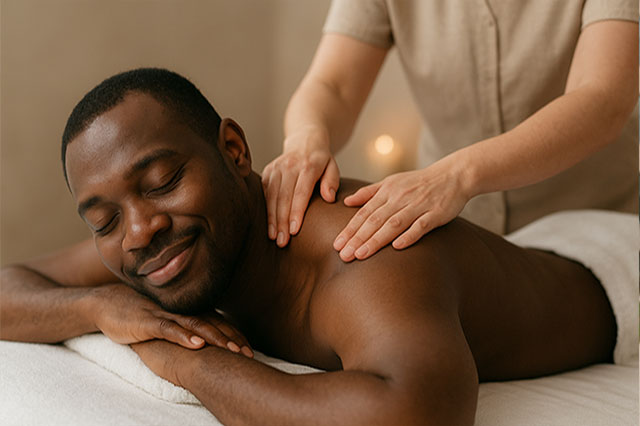
Warm oil glides over your skin as the therapist uses slow, steady pressure. The room smells gently of lavender, citrus, or eucalyptus, and your breathing starts to soften without you trying. Your shoulders drop a little, and your mind feels less busy.
That’s the feel of an Aromatherapy Massage, a session that blends classic massage techniques with carefully chosen essential oils. The massage helps ease everyday tension in muscles, while the scent supports a calmer mood. In other words, it’s for people who want body relief and a quiet reset at the same time.
Still, it’s not only about picking a “nice smell.” Different oils are used for different goals, and the way they’re diluted and applied matters. Your therapist may use a blend in carrier oil, add a few drops to a warm compress, or diffuse the scent in the room, depending on what feels best for you.
In this post, you’ll learn what aromatherapy massage can do, what a typical session looks like, and how the oils work with touch and scent. You’ll also get practical help choosing oils, spotting quality and dilution basics, and avoiding common safety mistakes (especially if you have sensitive skin, asthma, headaches triggered by scent, or you’re pregnant). Finally, you’ll see simple ways to prepare so you get the most comfort from your time on the table.
Aromatherapy massage can support wellness and relaxation, but it doesn’t replace medical care. If you have a health concern or ongoing pain, it’s best to check in with a qualified clinician before you book.
Aromatherapy massage basics, how it works, and what happens in a session
An Aromatherapy Massage has two parts working together: the hands-on massage and the essential oils. The massage supports your muscles and joints, while the scent and skin contact add a mood and comfort layer. Put simply, it can feel like your body gets the message to soften, and your mind follows a few minutes later.
Most sessions happen in a quiet spa room with privacy, soft music, and warm lighting. You stay draped with towels or a sheet the whole time, and only the area being worked on is uncovered. The therapist usually blends a few drops of essential oil into a carrier oil (like sweet almond, grapeseed, jojoba, or fractionated coconut) so it spreads well and is gentler on skin.
Massage plus essential oils, the simple science behind the calm
Slow, steady touch helps because your nervous system pays attention to pressure and pace. When strokes are unhurried and consistent, many people shift away from “busy mode” and toward rest. Muscles often loosen for a simple reason too, because warmth and repeated, comfortable pressure can reduce guarding. Guarding is that automatic “brace” your body does when it expects discomfort.
Relaxation can show up fast. Your jaw unclenches, your breathing gets deeper, and your shoulders stop creeping up toward your ears. Still, the longer-term benefits tend to come from regular sessions. If your neck always tightens at your desk, one massage can help, but a routine often helps the body unlearn that pattern.
Essential oils add a second pathway: smell. Scent signals travel from your nose to areas of the brain involved with emotion and memory. That’s why one person smells lavender and instantly feels safe, while another thinks of a hospital and tenses up. Neither reaction is wrong, it’s just how scent and memory link up.
The oils can also be experienced through the skin, because they’re usually mixed into the massage oil and applied to large areas. However, that doesn’t mean stronger is better. A blend that’s properly diluted can feel pleasant and supportive without overwhelming your senses.
A good Aromatherapy Massage should feel calming and supportive, not intense or medical. If something feels “too much” (pressure or scent), say so early.
Expect some effects to be immediate, like a calmer mood or a softer body. Other changes, like better sleep patterns or fewer tension flare-ups, vary by person and may build over time. Also, results depend on the oil choice, your sensitivity, stress levels, and what your body needs that week.
Step by step, from intake questions to the last towel
A session usually starts with a quick check-in. Your therapist may ask about areas of pain, injuries, allergies, asthma or scent-triggered headaches, pregnancy, and any skin issues. Then you’ll talk goals. Do you want to relax, ease upper-back tension, or feel less “wired” after a hard week?
Next comes the scent choice. Many spas offer a few simple “profiles,” such as floral (lavender, geranium), citrus (sweet orange, bergamot), or fresh (eucalyptus, peppermint). If you’re not sure, tell your therapist what you want to feel, for example grounded, lighter, or less tense. They can guide you without guessing.
If you have sensitive skin or you’ve reacted before, ask for a patch test. That might mean the therapist applies a tiny amount of the diluted blend to your inner forearm and waits a few minutes. Some therapists will also offer fragrance-free oil if you prefer.
After that, you’ll get privacy to undress to your comfort level and get on the table under the sheet. The therapist will check temperature, bolsters, and headrest comfort. Small details matter, because if your neck is strained on the face cradle, you won’t relax.
Breathing guidance is often simple and optional. You might hear: “Take a slow breath in through your nose, and exhale longer than you inhale.” That longer exhale can help your body settle, like tapping the brakes gently.
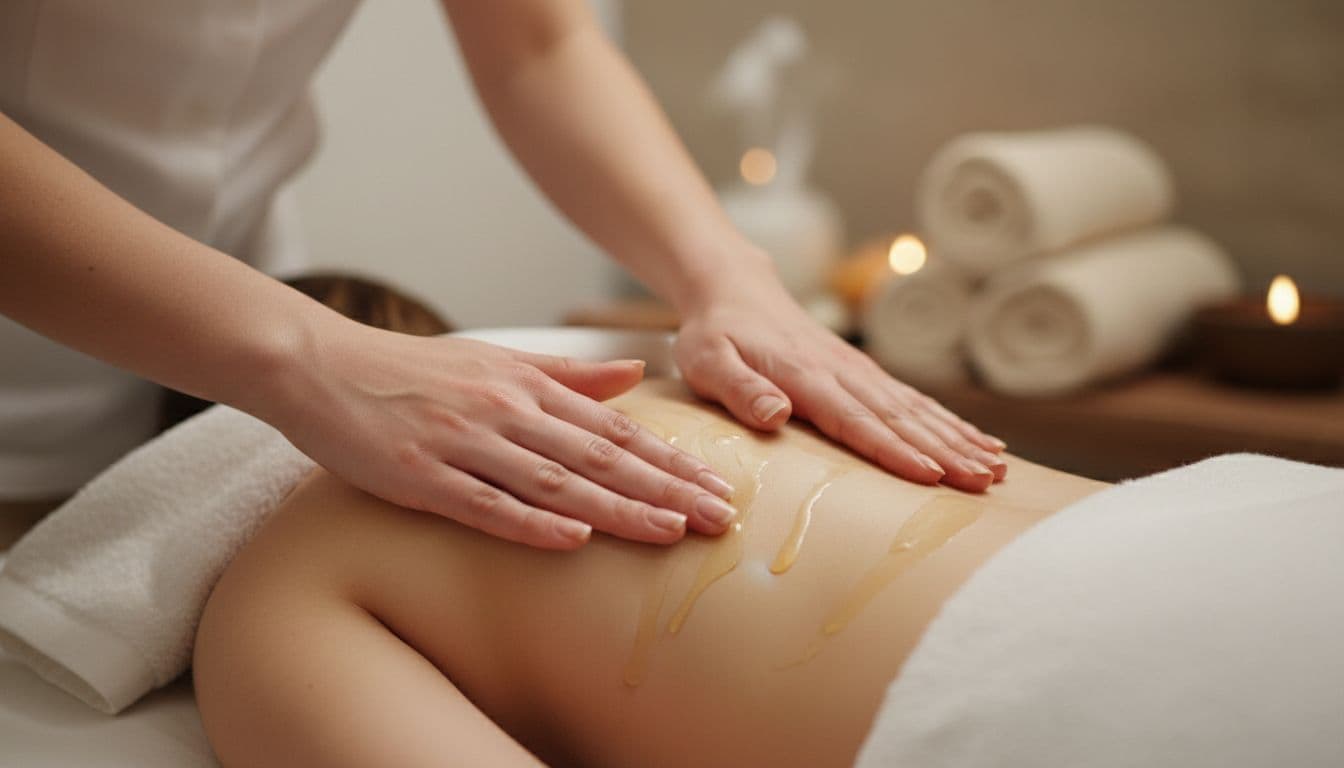
During the massage, the therapist applies the diluted oil and uses strokes that match the style you booked. Common areas include:
- The back and shoulders, where many people store stress
- The neck and scalp (often a favorite when done gently)
- The arms and hands, especially if you type all day
- The hips and legs, which can hold deep tightness after walking or workouts
- The feet, if you’re on them for long shifts
Pressure should always match your body and your goal. If it feels too strong, say it clearly and early. Try simple phrases like:
- “That pressure is a bit much, could you go lighter?”
- “That spot is tender today, please work around it.”
- “I like firm pressure, but not sharp pain.”
The scent should also feel comfortable. If the aroma starts to feel heavy or gives you a headache, speak up. You can say:
- “The scent is stronger than I expected, can we reduce it?”
- “Could we switch to a lighter blend, or go unscented?”
A typical session length is 30, 60, or 90 minutes. A 30-minute option often focuses on one area (like back, neck, and shoulders). Sixty minutes gives a full-body flow for most people. Ninety minutes leaves space for both full-body relaxation and extra time on trouble spots.
The finish matters as much as the start. The therapist usually slows the pace, wipes excess oil with a warm towel, and gives you a quiet minute before you sit up. Many places offer water or tea because it’s normal to feel thirsty afterward.
Aftercare is usually basic:
- Drink water, especially if you feel dry or “floaty.”
- Plan a lighter evening if you can, since you may feel sleepy.
- Notice your body for a day, mild tenderness can happen after deeper work.
Some people also feel an emotional release, like tearing up for no clear reason. That can be a normal stress response as the body relaxes. If it happens, you don’t need to explain it, just breathe and let it pass.
Which massage styles pair well with aromatherapy
Aromatherapy can be added to many massage styles, but the best match depends on your goal and your sensitivity. Pressure and oil choice should fit the moment, because a stimulating oil plus deep pressure can feel like “too much” for some people.
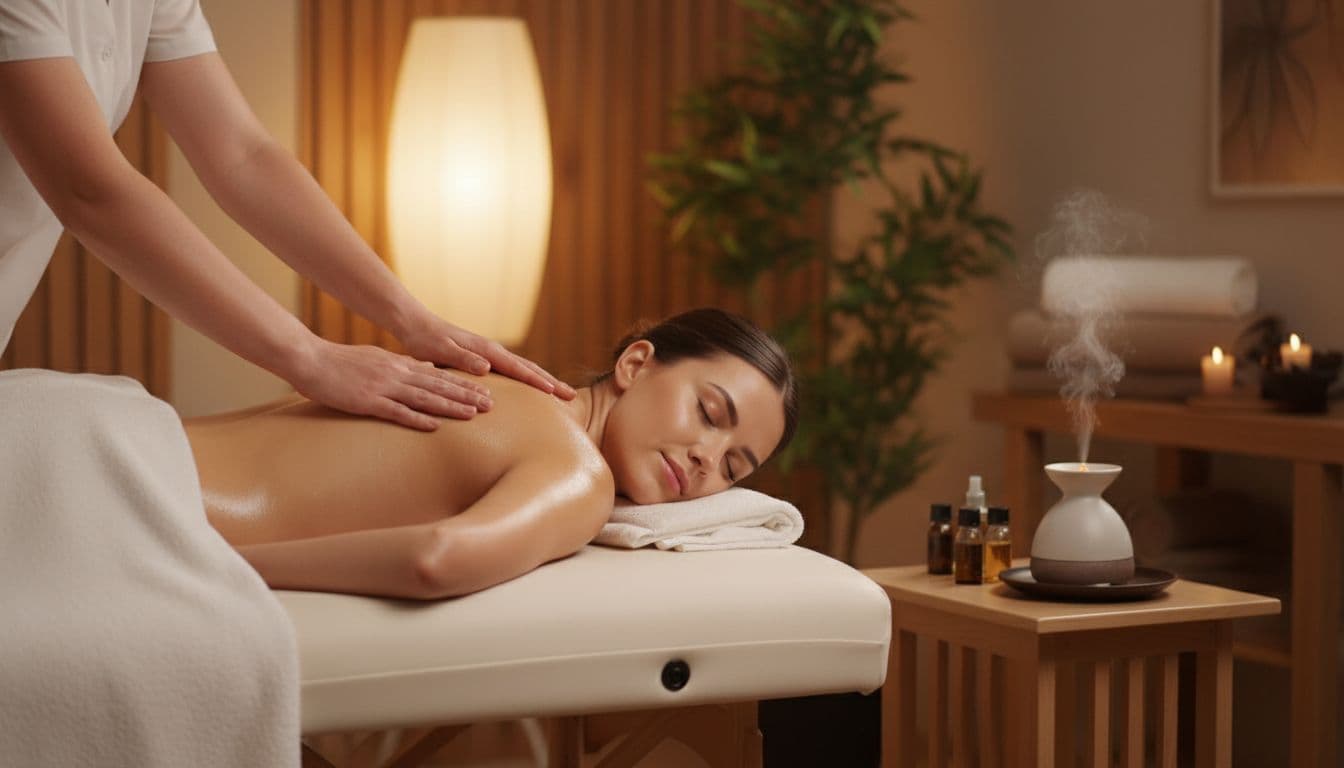
Swedish massage + aromatherapy is the classic pairing. Swedish uses long, gliding strokes and a steady rhythm. Because the pressure is usually moderate and soothing, it’s a great fit for relaxing blends like lavender or gentle citrus. If your main goal is to unwind, this combo often feels like exhaling after holding your breath all day.
Deep tissue + aromatherapy works well for targeted tension, like stubborn knots in the upper back or tight hips. The therapist uses slower, more focused work, sometimes with forearms or elbows (always with your consent). Here, the oil blend matters. If your skin is sensitive, you may want fewer essential oils, or none at all, since deep work can already feel intense.
Gentle lymphatic-style or prenatal massage + aromatherapy can be a good option when you want very light pressure and comfort. Lymphatic work uses soft, skin-level strokes, not deep muscle pressure. Prenatal sessions focus on safe positioning and easing common pregnancy discomforts (and oil choices must be extra cautious). In both cases, it’s smart to keep scents mild, since nausea or scent sensitivity can be higher.
The simplest way to choose: match the style to your body goal (relaxation vs focused tension work), then match the scent to your comfort. When those two line up, an Aromatherapy Massage tends to feel both effective and easy to receive.
Benefits you may notice, from stress relief to better sleep
An Aromatherapy Massage often feels like two comfort signals at once, steady touch for the body and soothing scent for the mind. Some benefits show up during the session, like a softer jaw or slower breathing. Others build over time, like fewer tension flare-ups after work or an easier transition into sleep.
Results vary because your stress level, sensitivity to scent, and the therapist’s technique all matter. Still, many people notice the same themes: a calmer mood, less tightness, and a more settled nervous system.
Relaxation and mood support when life feels loud
Stress has a way of showing up in the same places. Your shoulders sit up near your ears. Your forehead feels tight. Racing thoughts keep replaying your to-do list, even when you finally lie down. For a lot of people, the body stays in “braced” mode long after the stressful moment ends.
That’s where slow, predictable massage helps. When the therapist keeps pressure steady and rhythm smooth, your nervous system gets a clear message that it’s safe to let go. Add a calming scent, and the room can feel like it turns the volume down. A desk worker with constant neck tension might notice their shoulders drop within minutes, not because the oil is magic, but because touch and scent help the brain stop scanning for the next problem.
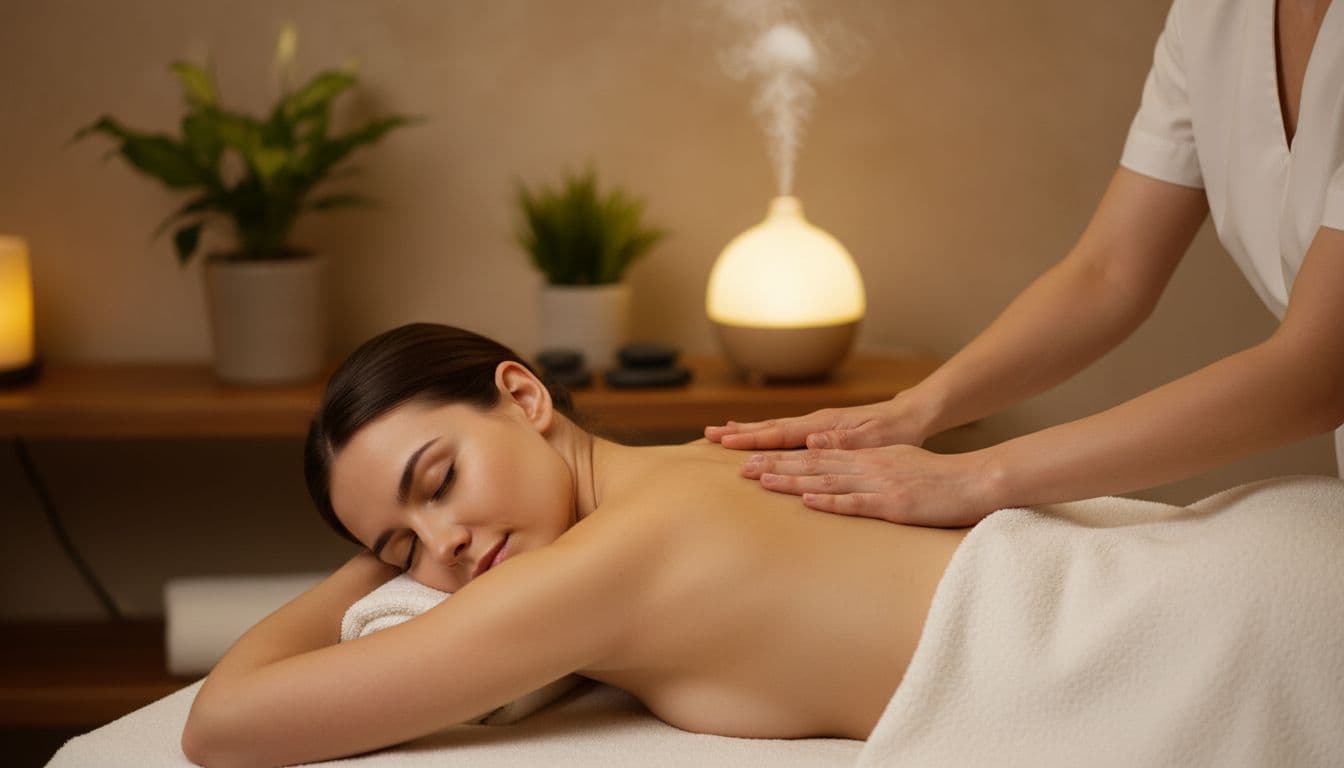
Many therapists also share simple breathing cues to help your body settle faster. If you want something easy to follow, try this during the session:
- Inhale through your nose for 4 seconds, gently, not a big gulp of air.
- Pause for 1 to 2 seconds, then relax your tongue and jaw.
- Exhale for 6 to 8 seconds, slow and steady, like fogging a mirror.
- Let your shoulders melt on the exhale, even if it’s just a few millimeters.
If your mind wanders, that’s normal. Bring your attention back to one thing, the therapist’s rhythm, the scent, or the feeling of the table supporting your weight.
If the aroma feels too strong, say so right away. A lighter scent usually works better for real relaxation.
Muscle comfort for everyday aches and stiffness
Everyday soreness often comes from small, repeated strain. Sitting all day can shorten the front of the hips and tighten the upper back. Parenting can mean constant lifting, carrying, and awkward angles. Workouts can leave your legs feeling like heavy ropes, especially after a hard week.
Massage supports muscle comfort in a few practical ways. It can increase local blood flow, warm up tight tissue, and reduce that “stuck” feeling that limits range of motion. Many people walk out feeling looser because the therapist helped the body stop guarding and start moving smoothly again.
Essential oils play a supporting role here. They don’t replace good technique, and they don’t “fix” knots on their own. However, a well-chosen, properly diluted blend can make the experience feel more pleasant, which helps you relax into the work. That matters because muscles often release more easily when you’re not tensing against pressure.
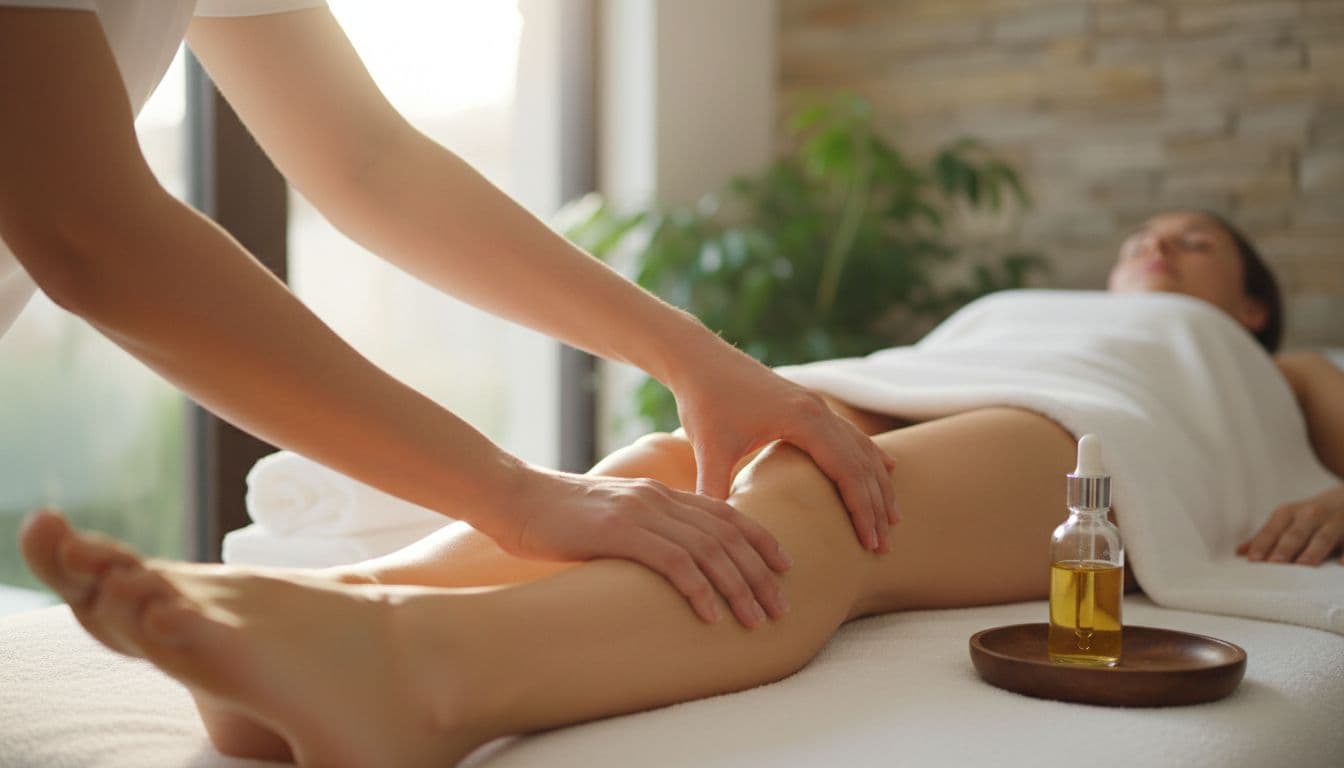
After your Aromatherapy Massage, a little aftercare can help the benefits last into the next day:
- Hydrate because you may feel dry or a bit “floaty” afterward.
- Stretch gently (no forcing), especially neck, chest, calves, and hips.
- Keep the rest of the day lighter if deeper work left you tender.
A quick example: after a leg day at the gym, you might notice less stiffness on stairs, plus easier walking stride. That doesn’t mean you should skip recovery basics though. Sleep, food, and smart training still matter.
Sleep support, building a calmer bedtime routine
Sleep problems often start before you ever reach the pillow. Your body stays on alert, your mind keeps scrolling through unfinished tasks, and your breathing sits high in the chest. An evening Aromatherapy Massage can help because it lowers stress, slows the pace, and gives you a clear transition out of “doing mode.”
Timing helps. If you book too late, you might rush home, eat, shower, and undo the calm. Instead, aim for earlier in the evening so you can keep the momentum.
Here are a few practical ways to turn the session into a better bedtime routine:
- Schedule earlier so you still have time to eat lightly and unwind.
- Avoid caffeine after midday (or at least after lunch), especially if you’re sensitive.
- Keep lights low at home, even a small lamp can help set the mood.
- Take a warm shower to stay relaxed and wash off excess oil.
- Repeat the same scent at home if you tolerate it, using only a small amount of properly diluted oil on wrists or in a diffuser.
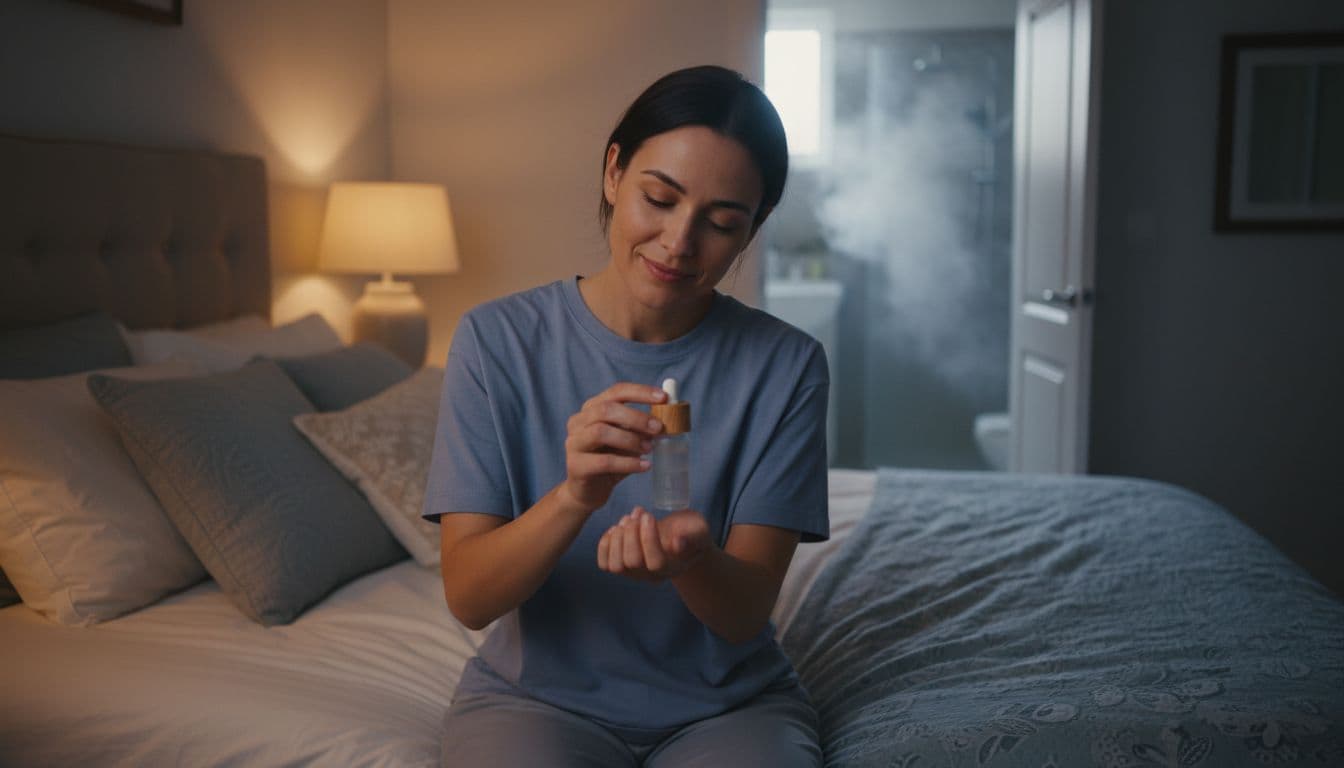
For an overwhelmed parent, this can be the biggest win: not “perfect sleep,” but an easier off-switch. Even 10 percent more calm at bedtime can add up over weeks.
How often to get an aromatherapy massage for best results
Consistency usually beats intensity. One great Aromatherapy Massage can feel amazing, but stress and tightness often return if your week stays packed. A simple schedule gives your body a chance to learn that relaxed state again and again.
Use these guidelines as a starting point, then adjust based on how you feel and what you can afford:
- High stress or burnout: weekly sessions for a few weeks, then move to maintenance every 2 to 4 weeks.
- General wellness: once a month is a realistic rhythm for many people.
- Training and recovery: add a session during harder training weeks, long runs, or after big events, then taper back.
Budget matters, too. A plan you can keep is better than an “ideal” plan you cancel. Pay attention to your body’s signals, like headaches from neck tension, restless sleep, or that familiar shoulder clench while driving. Those cues often tell you it’s time to book.
What an Aromatherapy Massage cannot do, and when to get medical help
Aromatherapy massage supports comfort and relaxation, but it’s not a medical treatment. It won’t diagnose problems, correct serious injuries, or replace care for ongoing pain.
Consider checking in with a qualified clinician if you have:
- New, severe, or sharp pain, especially after a fall or accident
- Numbness, tingling, or weakness in an arm or leg
- Fever, swelling, redness, or warmth in one area
- Chest pain, shortness of breath, or sudden dizziness
- Pain that keeps getting worse or doesn’t improve over time
Also, tell your therapist about allergies, asthma, pregnancy, migraines triggered by scent, or skin conditions. The best sessions feel safe and supportive, not overwhelming.
Choosing the right essential oils, and how to stay safe
A good Aromatherapy Massage starts with two things: the goal (calm, focus, uplift, or muscle comfort) and your safety (skin sensitivity, allergies, headaches, and medical considerations). Oils can shape the mood of a session, but they should never feel like a chemical cloud or a burning tingle. If you only remember one rule, let it be this: the best blend feels gentle, not powerful.
Also, quality and handling matter. Fresh, well-stored oils and clean mixing practices reduce the odds of irritation. On the other hand, old oils (or poorly stored ones) can oxidize and become more irritating to skin.
Popular essential oils used in aromatherapy massage, and what each is known for
Different oils have different “personalities.” Some feel like a soft blanket, while others feel like a cold splash of water. This quick guide helps you match the oil to your goal without overpromising results.
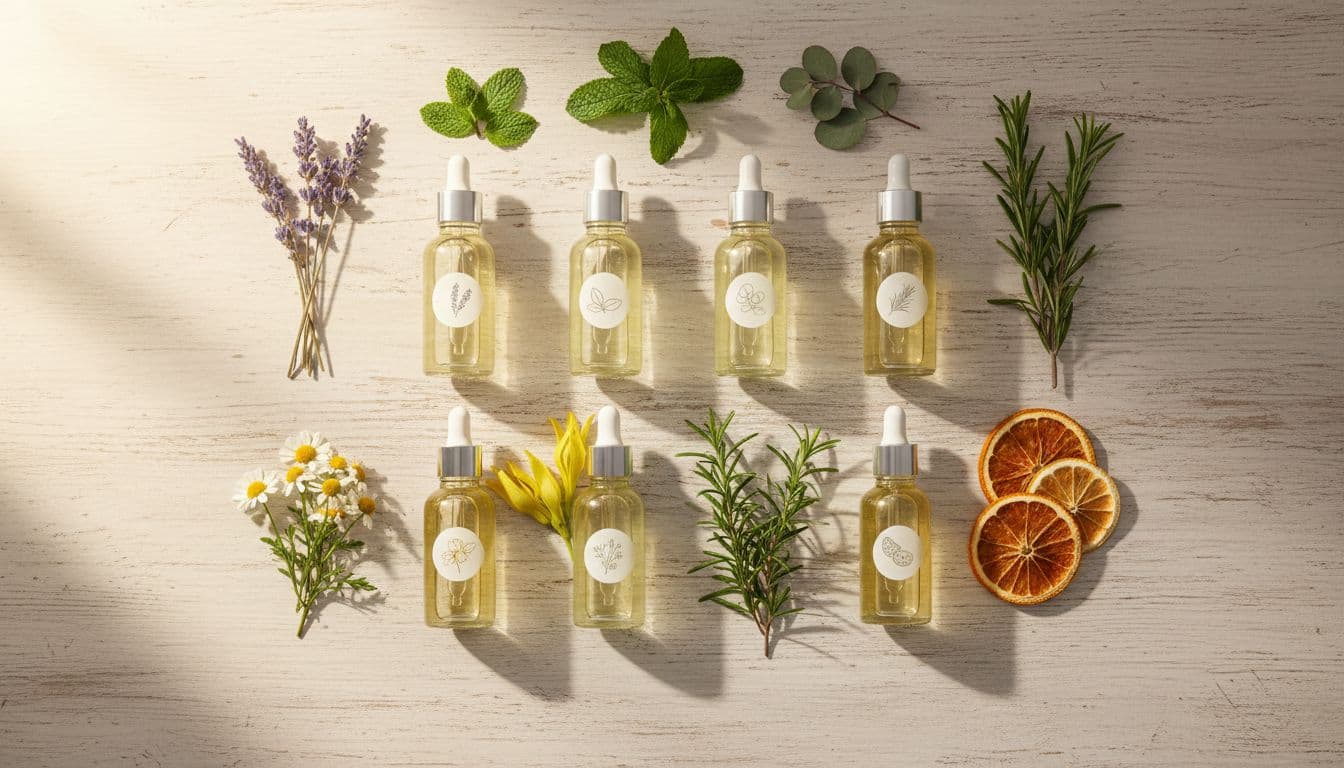
Here are popular choices you’ll often see in an Aromatherapy Massage, plus a plain-language “best for” and “watch out for” note:
- Lavender
Best for: winding down, easing stress, bedtime vibes, and general relaxation.
Watch out for: if florals trigger headaches or nausea, lavender can still feel “too perfumey” for you. - Peppermint
Best for: a clear, cooling feel, “wake up” energy, and that fresh-breath kind of lift.
Watch out for: it can feel very strong and tingly, especially on sensitive skin. It may also bother people with scent-triggered migraines. - Eucalyptus
Best for: a clean, spa-like freshness, especially when you want the room to feel airy and open.
Watch out for: strong vapors can bother some people with asthma or reactive airways, even when diluted. - Rosemary
Best for: focus, an invigorating feel, and a “reset” when you feel mentally foggy.
Watch out for: it can feel stimulating, so it may not suit a late-night session. If you have epilepsy or seizure history, ask your doctor first and tell your therapist. - Chamomile (often Roman chamomile)
Best for: soothing comfort, especially if you want something gentle and quiet.
Watch out for: if you react to ragweed-type plants, you may be more likely to react here too. Sensitivities vary. - Ylang ylang
Best for: a rich floral mood, stress relief, and a more romantic, “soft lights” type of session.
Watch out for: it can be heavy and sweet. Too much may cause a headache or feel cloying. - Tea tree
Best for: a clean, herbal scent that some people find grounding and clarifying.
Watch out for: it’s not for everyone, and it can irritate sensitive skin. Many people simply dislike the smell, so speak up. - Citrus oils (like sweet orange, lemon, grapefruit, bergamot)
Best for: an uplifting mood and that “freshly peeled fruit” brightness that can make a day feel lighter.
Watch out for: some citrus oils can cause sun sensitivity (phototoxicity) on skin. That matters if the oil is used on areas that will see sun within the next day or so.
A simple way to choose is to name the feeling you want: calm, clear-headed, uplifted, or comforted. Then let the therapist guide the blend based on your sensitivities.
If an oil smells “nice” but your body tightens or your head starts to buzz, it’s not the right choice today. Trust that signal.
Dilution and carrier oils, why “more drops” is not better
Essential oils are highly concentrated. Think of them like strong spices, a pinch changes the whole dish. Adding more doesn’t make it “work better,” it mostly makes it harsher on skin and harder to breathe around. In massage, a low dilution is usually enough to scent the oil and support the mood.
Carrier oils do the heavy lifting. They spread well, reduce friction for massage strokes, and help dilute essential oils so they’re less likely to irritate skin.
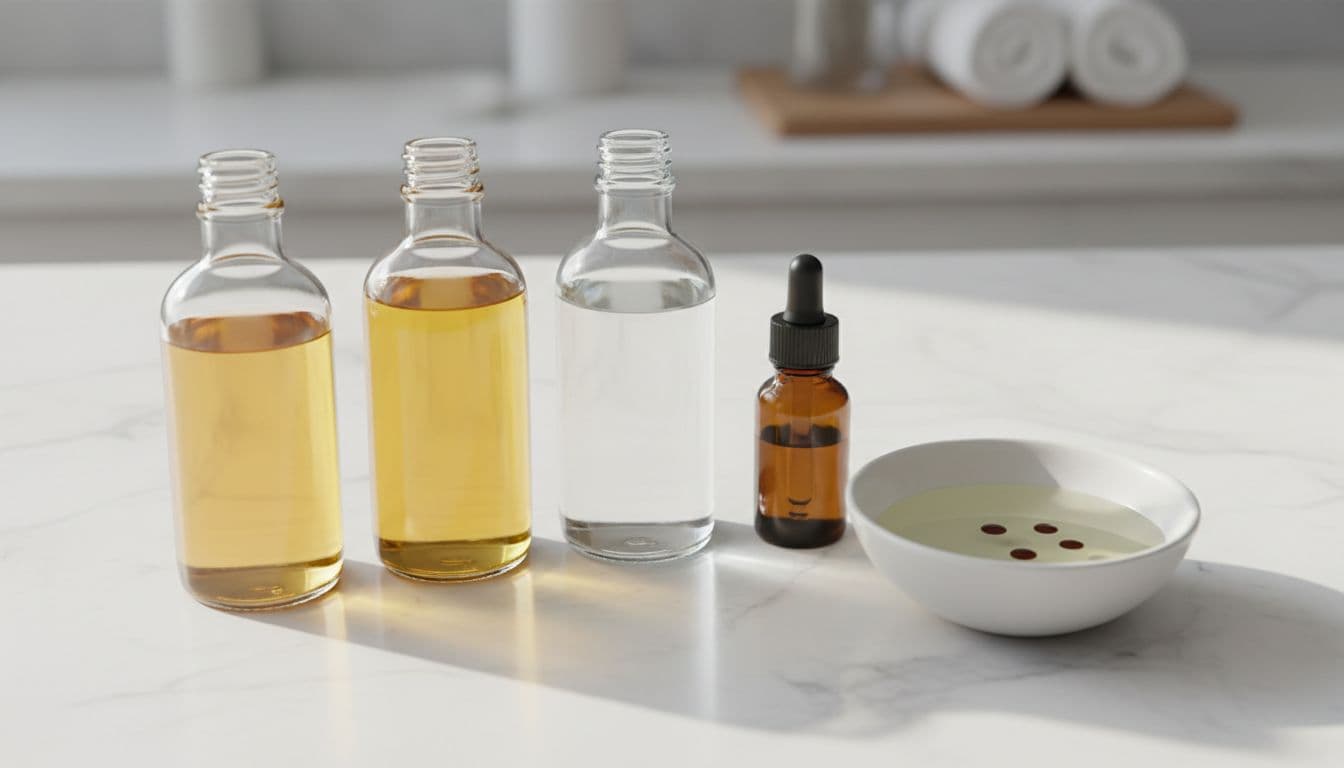
Common carrier oils you’ll hear about include:
- Sweet almond oil: silky glide and very popular for massage; however, avoid if you have a nut allergy unless your clinician says it’s safe.
- Jojoba oil: feels light and tends to suit many skin types. It’s often a good pick for sensitive or acne-prone skin.
- Fractionated coconut oil: lightweight and stable; many people like it because it absorbs well. Still, some skin types clog easily, so it’s not universal.
- Grapeseed oil: light texture with a smooth finish; some people prefer it because it doesn’t feel too heavy.
Skin type matters more than people think. Dry skin may love a richer carrier. Oily or acne-prone skin may prefer lighter options. Sensitive skin often does best with fewer essential oil drops and a simpler blend.
If you like DIY, keep it cautious. Home blends often go wrong because people guess the drop count. They also use many oils at once, which makes it hard to spot the irritant. If you’re sensitive, ask your therapist directly: “What dilution do you use, and can you make it lighter?”
A quick safety habit that many good spas use is patch testing when needed. That’s especially helpful if you’ve reacted to scented products before.
When to avoid aromatherapy massage or get medical advice first
Most people can enjoy an Aromatherapy Massage safely, especially with mild scents and proper dilution. Still, there are times to pause, switch to unscented massage, or get medical advice first. This isn’t about fear, it’s about picking the right day and the right approach.

Avoid aromatherapy massage, or get medical advice first, if any of these apply:
- Broken skin, rashes, or active irritation where oil would be applied.
- Fever or a contagious illness, even if you feel “mostly okay.” Rest instead.
- Recent surgery, or any wound still healing. Your doctor’s guidance comes first.
- Uncontrolled high blood pressure or heart concerns that your clinician has flagged.
- Severe asthma or strong scent triggers, since diffused oils can irritate airways.
- Known allergies (including carrier oil allergies), or a past reaction to essential oils.
- Pregnancy: massage can still be fine, but oil choices and positioning should be extra cautious. Some people also get intense scent sensitivity.
- Breastfeeding: ask for mild, well-diluted oils and avoid strong scents near the chest area.
- Kids and teens: essential oils should be approached carefully, with very mild dilution and conservative choices.
- Epilepsy or seizure history: some oils may not be a good fit for you, so check with your clinician and inform the therapist.
- Medication concerns or complex health conditions: if your doctor has told you to avoid massage, follow that advice.
Even when aromatherapy is okay, you might choose unscented massage if you’re dealing with migraines, nausea, or a reactive nose that day. You can still get the muscle and relaxation benefits without any essential oil.
Most importantly, share health details during intake, even if they feel unrelated. A therapist can only adapt the session if you give them the full picture.
Questions to ask before you book, so you get the experience you want
Aromatherapy should feel personal, not like a one-size-fits-all menu. A few direct questions help you spot a spa that takes hygiene and safety seriously, and they also help you get the mood you came for.
Start with questions that tell you how they handle oils:
- “What training do your therapists have in aromatherapy?”
You’re listening for a clear answer, not vague confidence. - “Do you dilute essential oils in a carrier oil, and can you make it extra mild?”
A good place will say yes, and they won’t act offended. - “What brands do you use, and how do you store your oils?”
Oils should be stored away from heat and direct sunlight. Old, poorly stored oils are more irritating. - “Do you offer a scent-free option?”
This matters for sensitive skin, asthma, pregnancy, and migraine-prone clients. - “Can I smell the options first?”
A quick sniff test can prevent a full hour of discomfort.
Then ask about the room setup and comfort details:
- “How’s the room ventilation?”
Fresh air and light diffusion matter, especially if scent gives you headaches. - “What pressure options do you offer, and can we adjust during the session?”
Your body changes day to day. You should be able to speak up and shift the plan. - “How do you handle allergies or past reactions?”
Look for answers like patch testing, simplified blends, and clear notes in your file.
Finally, pay attention to hygiene and basic safety practices. A professional spa should have clean linens, washed hands, and sanitized surfaces. They should also avoid cross-contamination, for example by not letting droppers touch skin or used containers.
If it’s your first time, these small choices can make the session feel easier:
- Arrive 10 to 15 minutes early so intake doesn’t feel rushed.
- Eat light beforehand, so you don’t feel sleepy and overfull.
- Turn off your phone, or set it to silent, so your nervous system can settle.
- Speak up early about scent and pressure, because tiny changes make a big difference.
A great Aromatherapy Massage feels like a well-guided experience. You should leave relaxed, not overwhelmed, and confident that the oils were handled with care.
Conclusion
An Aromatherapy Massage works best when you treat it as both body care and nervous-system care. The hands-on massage helps loosen tight muscles through steady pressure and warmth, while the essential oils support the mood through scent and gentle skin contact. When those two pieces match your needs, you often leave feeling lighter, calmer, and less braced.
Results feel different from person to person, so your oil choice matters. A soft floral or mild citrus can suit stress and sleep support, while stronger oils (like peppermint or eucalyptus) may feel intense if you get headaches or have reactive airways. Just as important, proper dilution keeps oils pleasant and helps prevent skin irritation, so a lighter blend usually gives a better session than a strong one.
Safety keeps the experience comfortable. Share allergies, asthma, pregnancy, migraines, and skin concerns during intake, and ask for a patch test or a scent-free option if you need it. Also, remember that aromatherapy massage supports relaxation and everyday aches, but it doesn’t replace medical care for sharp, new, or worsening pain.
To make your next session simple, follow this plan: first, decide your goal (relaxation, sleep, or muscle comfort). Next, pick a session length that fits it (30 minutes for one focus area, 60 minutes for full-body, 90 minutes for extra time on problem spots). Then, speak up early about pressure and scent, because small changes help a lot. Finally, drink water and plan for rest afterward, so the calm has time to stick.
If you book a session, track how you feel the next day, especially your sleep, mood, and muscle comfort, then use that to guide your next oil and pressure choices. Thanks for reading, your body notices the care you give it.