
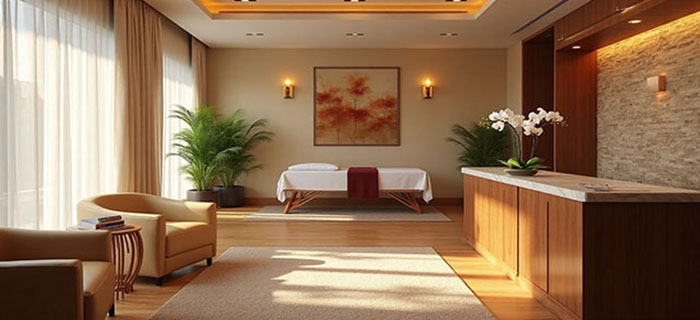
Fortune Massage & Spa in Langata: What to Expect, Treatments, and Booking Tips
If you’re thinking about booking Fortune Massage & Spa in Langata, you probably want the basics first, what it is, what it offers, and what your visit will feel like from the moment you walk in. This post is here to make that simple, with clear expectations and no fluff.
Fortune Massage & Spa is a place to slow down and reset, whether you’re a regular who already knows the comfort of a good massage, or it’s your first time and you’re not sure what to ask for. People come in for all the usual reasons, stress that’s built up over weeks, sore muscles after long days, a simple self-care routine, or some quiet couple time. Whatever brings you in, the goal is the same, to leave feeling lighter and more comfortable.
Langata also makes it easy to fit a session into real life. It’s a practical spot if you’re nearby, and it works for quick weekday appointments as well as longer weekend visits when you have more time.
In the sections ahead, you’ll get a clear look at what the spa offers, what a typical appointment feels like (from check-in to aftercare), and how to book and plan your visit without guesswork. You’ll also find simple tips to help you get more out of your session, like what to mention to your therapist, how to time your appointment, and what to do before and after so the benefits last longer.
What Fortune Massage & Spa is known for in Langata
If you already love massage days, you know the difference between a place that simply offers treatments and a place that helps you fully switch off. Fortune Massage & Spa is known for a steady, comfort-first experience, the kind that feels predictable in a good way. You don’t have to brace yourself for awkward moments, noise, or rushed service. Instead, the session starts working on you before the first touch, because the setup, the tone, and the small details help your nervous system settle.
Below is what many regulars value most, especially if you want relaxation that feels safe, clean, and consistent.
The vibe from the moment you walk in
The first thing you notice is the tone. A calm greeting, a lower speaking volume, and a pace that doesn’t make you feel like you’re holding up a queue. That matters, because your body often arrives tense, shoulders up, jaw tight, mind still in traffic mode. A quiet, friendly check-in gives your brain permission to stop scanning for problems.
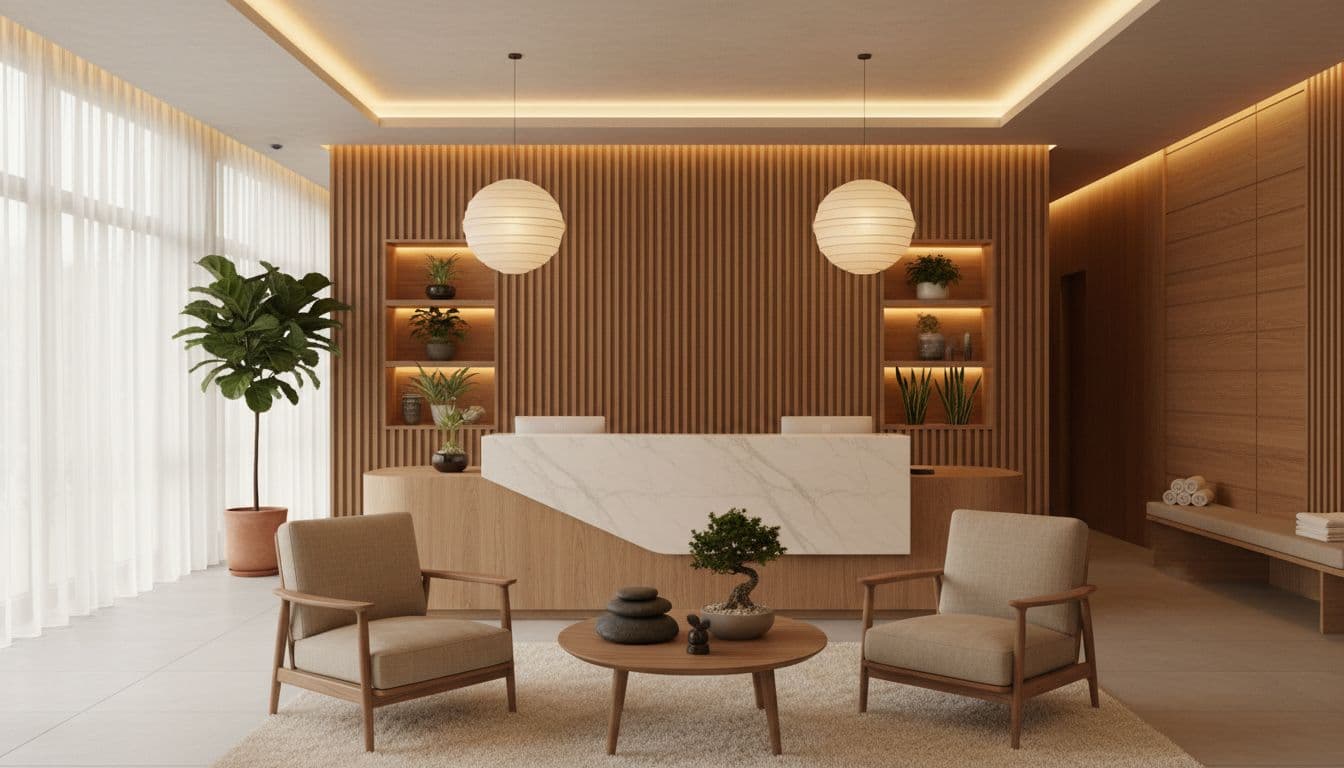
Then come the simple sensory cues that tell you, “You can exhale now”:
- Cleanliness you can see: Neat spaces, tidy surfaces, and a fresh feel that builds trust quickly.
- Lighting that softens the mood: Not harsh or clinical, so your eyes relax too.
- Gentle music or quiet ambience: Just enough to mask outside noise and help your thoughts slow down.
- A subtle scent: Light and clean, not overpowering, so it supports relaxation instead of competing for attention.
Atmosphere isn’t decoration, it’s part of the treatment. When the room feels safe and calm, your breathing naturally deepens. As a result, muscles often let go faster once the massage starts. Think of it like warming up a stiff jar lid with warm water; the twist becomes easier. In the same way, a soothing space makes your body more “open” to the work.
A small but helpful tip: if you’re the type who relaxes slowly, arrive with a mindset to transition, not rush. Even two minutes of quiet breathing before the therapist begins can change the whole session.
The best sessions usually start before the massage, when your body realizes it doesn’t have to stay on alert.
A focus on comfort, modesty, and professionalism
A professional massage should feel respectful from start to finish. That means clear communication, proper draping, and consent that isn’t awkward, it’s normal. At Fortune Massage & Spa, the goal is for you to feel comfortable enough to relax, while staying covered and respected the entire time.
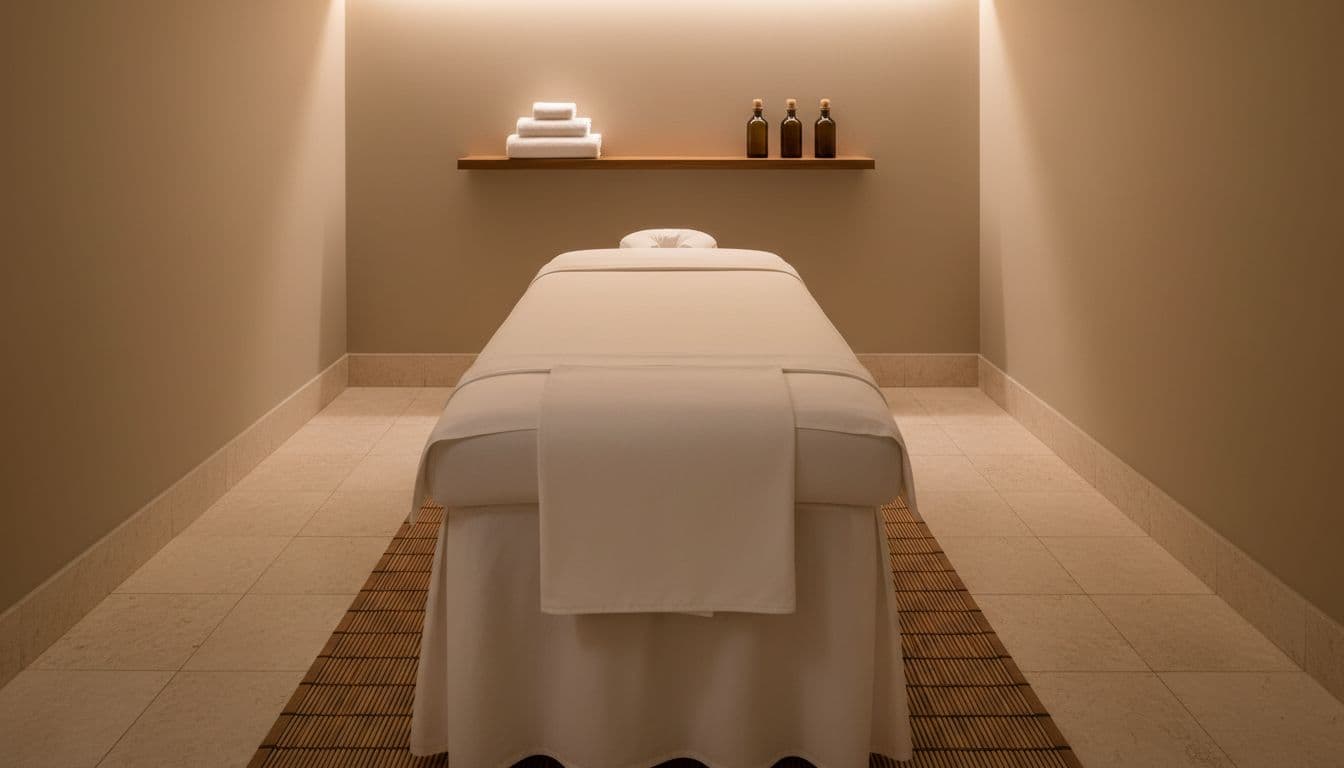
Here’s what “professional” often looks like during a good session:
Draping and modesty (done right)
You’ll typically stay covered with a sheet or towel, and only the area being worked on is uncovered. This keeps you warm, reduces self-consciousness, and helps you stay in a relaxed headspace.
Consent and boundaries (simple and direct)
You should expect a quick conversation before the massage begins. It doesn’t need to be long, but it should be clear. You can mention what you want, what you don’t want, and any areas that feel sensitive.
Pressure checks (because guessing isn’t a plan)
Everyone has a different “good pressure.” Some people want deep work, while others want gentle, soothing strokes. A therapist who checks in saves you from spending half the session silently enduring pressure that’s too much or too little.
To make your session smoother, it helps to share a few details upfront:
- Your goal today: relaxation, easing tight shoulders, recovery after workouts, or just “I want to sleep well tonight.”
- Pressure preference: light, medium, firm, or “start medium, then adjust.”
- Areas to avoid: ticklish spots, bruised areas, or anywhere you just don’t like touched.
- Focus areas: neck and shoulders, lower back, hips, calves, hands, or feet.
During the massage, a good therapist may check in briefly, especially if they’re moving into a tighter area. You can also speak up at any time. If you want less pressure, say so early. If you want more work on one side, ask. It’s your session, and clear feedback helps the therapist do better work.
One more comfort note: if you ever feel chilly, mention it. Staying warm helps muscles soften. When you’re cold, the body tends to “hold,” which can make deep work feel sharper than it should.
Where it is in Langata and why that helps busy schedules
Langata works because it fits into real life. You might be coming from work, heading home, or squeezing in self-care between errands. A spa visit becomes easier when the location feels practical, not like a full day mission. That convenience is a big reason regulars keep coming back, because you can book a session without rearranging your entire week.
Even so, timing makes a difference. A little planning helps you protect the calm you’re paying for.
Start with these simple scheduling habits:
- Check your travel time before you leave: Traffic can change quickly, so give yourself a buffer.
- Arrive a bit early: A few minutes lets you settle, use the washroom if needed, and start the session unhurried.
- Avoid rushing straight from stress to the table: If you can, sit quietly for a moment and let your breathing slow.
- Pick off-peak hours when possible: Quieter times often feel more relaxed, and you may have an easier check-in.
Also, think about what comes after your appointment. If you book right before a tough meeting or a long commute, the benefits can fade fast. On the other hand, pairing your massage with a calmer window (even just a low-key evening) helps the relaxed feeling stick around.
If you’re building a routine, consider a consistent slot, like a weekday evening or a weekend afternoon. The body learns patterns. When your brain knows “this is my reset time,” it starts unwinding earlier, sometimes while you’re still on the way.
Massages and spa treatments you can choose from, and how to pick the right one
Choosing a massage at Fortune Massage & Spa gets easier when you start with one simple question: What do you want to feel when you leave? Some sessions focus on quieting your nervous system so you can rest. Others focus on stubborn tight spots that keep pulling you back into discomfort.
If you’re unsure, don’t overthink it. Most people fall into one of these goals:
- You want to switch off and sleep better.
- You want to release tight areas (neck, shoulders, lower back, hips).
- You want recovery support after training or long work days.
- You want a shared experience with someone you care about.
A good rule: start gentler if you’re new, then go deeper later if your body likes it.
Relaxation massage for stress, rest, and resetting your mind
A relaxation massage is the session you book when your brain feels loud and your body feels “stuck on.” The therapist uses slow, flowing strokes that feel rhythmic, like waves rolling in and out. Pressure usually stays light to medium, so your muscles soften without you bracing against the touch.
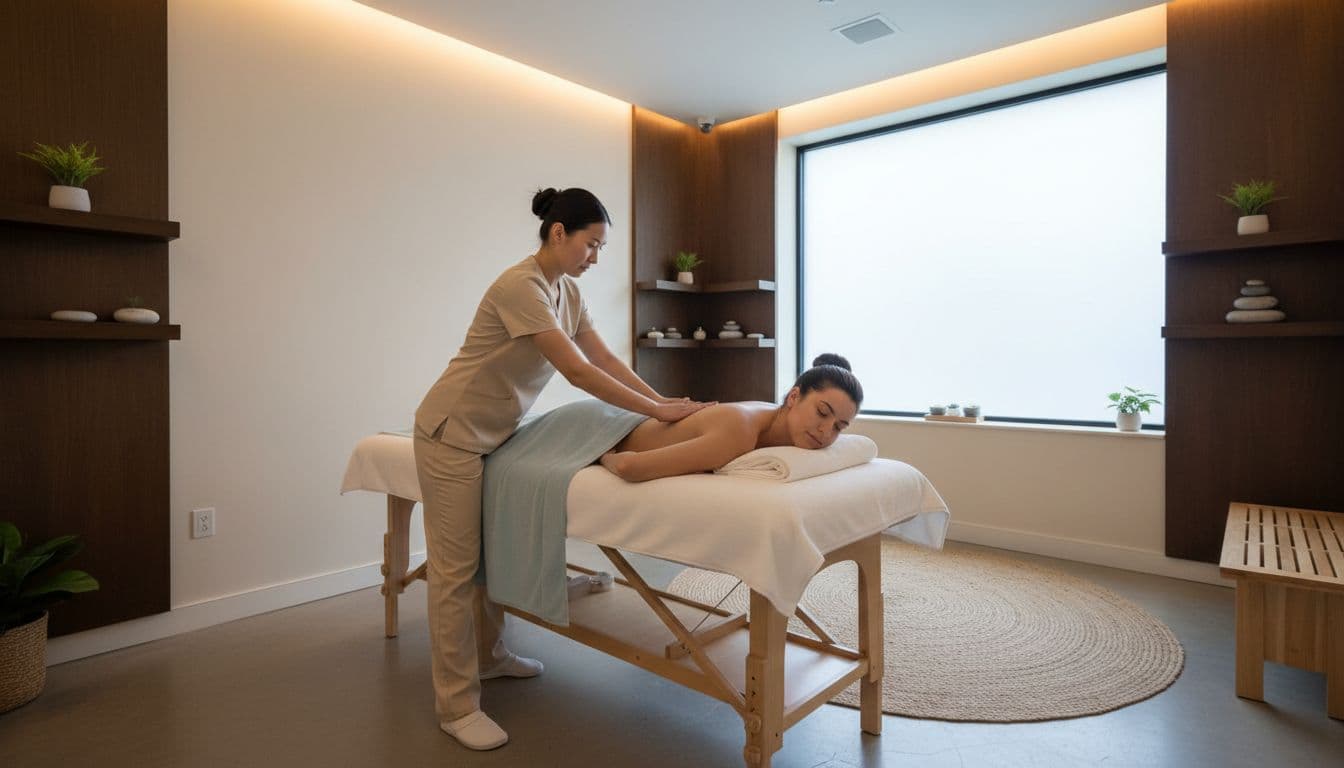
Many people describe this style as “melting” tension rather than pushing it out. You may notice your shoulders dropping, your jaw unclenching, and your thoughts slowing down. Sometimes you drift in and out of sleep, which is normal. In fact, it’s often a sign your body feels safe enough to rest.
This option tends to fit best if:
- It’s your first massage and you want a comfortable start.
- You’ve had a high-stress week and need your mind to settle.
- You want help winding down before bed, because many people find it easier to sleep after a calm session.
- You don’t like intense pressure or you bruise easily.
Breathing makes a bigger difference than most people expect. If you inhale slowly through your nose and exhale longer than you inhale, your body often relaxes faster. Try it when the therapist starts working on your neck or shoulders, those areas usually hold stress like a clenched fist.
Also, speak up about pressure early. A simple line works: “That’s a little too firm, can you go lighter?” or “You can go a bit deeper there.” You’re not being difficult. You’re helping the therapist tailor the session to your body.
If you want a reset, not a workout, relaxation massage is the safest bet. You should leave feeling calmer, not “done in.”
Deep tissue or sports style massage for tight areas
Deep tissue or sports style massage is for the days when you can point to the problem. Maybe your upper back feels like a knot. Maybe your calves stay tight after walking or training. This style uses firmer pressure and more targeted work, including trigger points (those small, stubborn spots that feel tender when pressed).
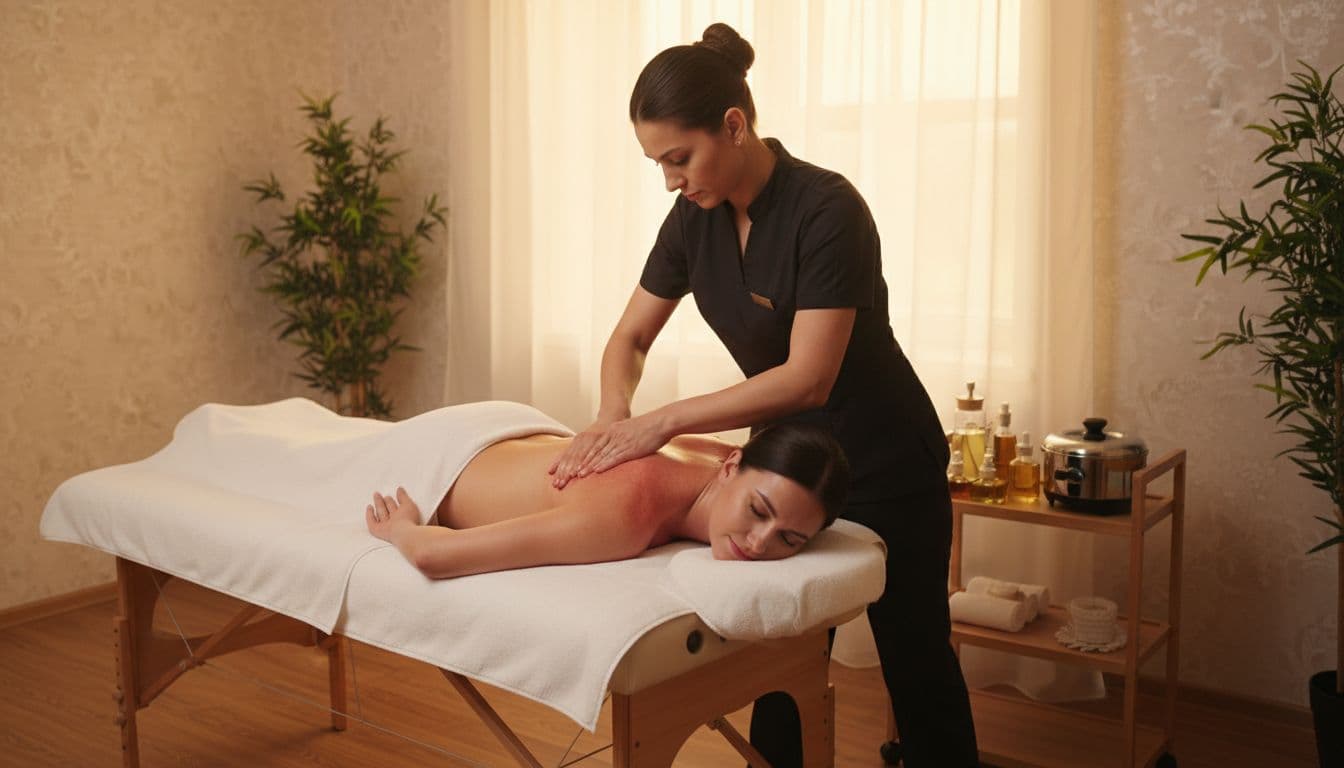
It can feel intense, especially when the therapist finds a tight band of muscle. Think of it like untangling a necklace chain. Gentle pulling does nothing, but yanking hurts. The sweet spot is steady, controlled pressure that your body can accept.
Here’s the key: pain is not the goal. You want productive discomfort, not sharp or panicky pain. Use this quick guide during the session:
- Feels productive: strong pressure you can breathe through, tenderness that eases after a few seconds, a “good hurt” that stays manageable.
- Too much: sharp pain, pins and needles, numbness, holding your breath, or your body tensing to escape the touch.
If you notice yourself clenching your fists or lifting your shoulders, ask to back off. Deep work only helps when the muscle can soften. When you go too hard, your body protects itself and the tightness often fights back.
Medium pressure is a smart choice if you’re curious about deep work but not sure you’ll like it. You can also ask for a blended approach, for example, relaxation strokes first, then focused work on shoulders or hips.
Aftercare matters more with deeper sessions. Many people feel sore later, similar to how you feel after exercise. To keep it manageable:
- Drink water after your session, because hydration may help you feel better later.
- Take it easy that evening if you can, especially if the massage focused on one tight area.
- Notice how you feel the next day. Often the “looser” feeling shows up after rest.
A quick safety note: if you have an injury, you’re pregnant, or you have health concerns, it’s wise to ask a clinician first before booking deep tissue or sports style work. When in doubt, choose a gentler session and discuss your situation with the therapist.
Couples massage and other shared spa experiences
A couples massage usually means two therapists, one room, and two massage tables, with each person choosing their own pressure and focus. It’s less about talking the whole time and more about sharing a calm, feel-good hour together.
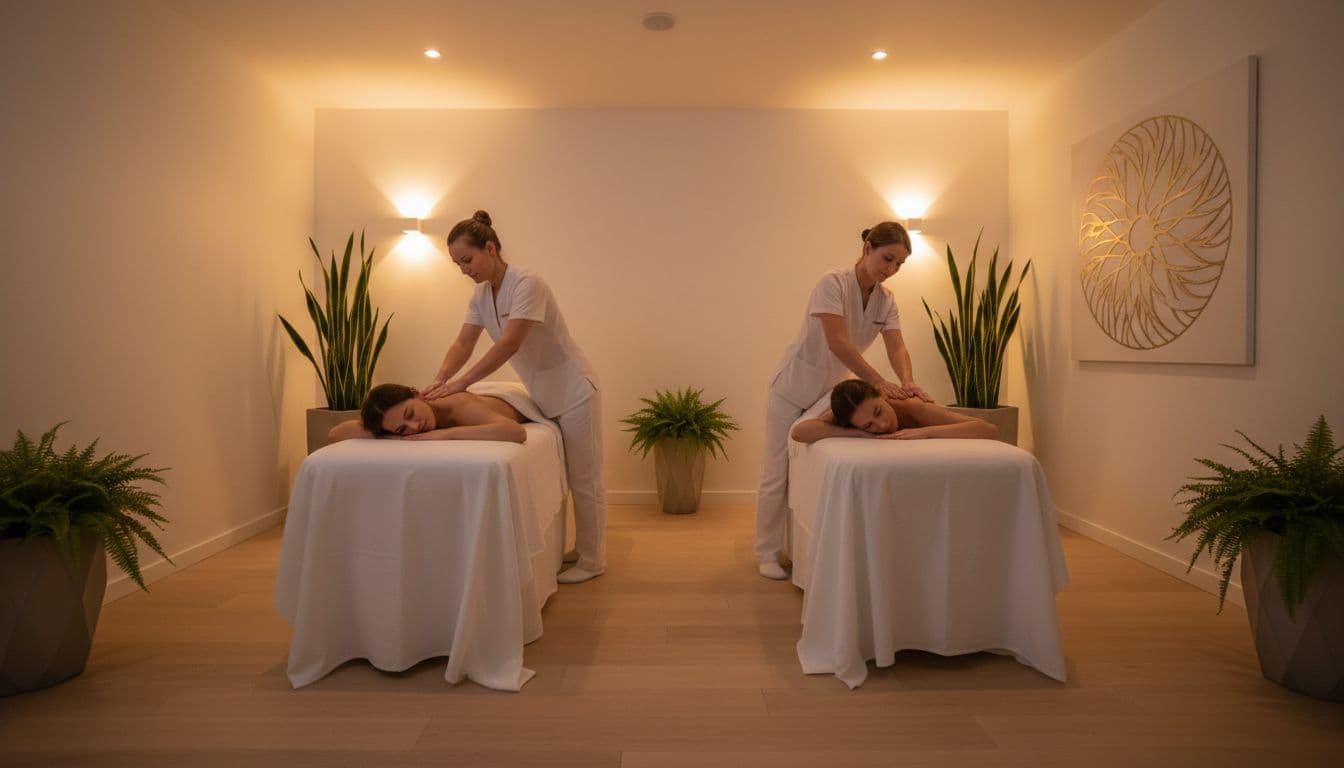
This option works well for:
Partners who want a date that feels nurturing, not noisy.
Friends who want a shared treat after a long week.
Family members, like siblings or a parent and adult child, who simply enjoy relaxing in the same space.
Many people worry it’ll be awkward. In reality, it’s often easier than you think, because you’re both focused on relaxing. Some couples chat a little at the start, then quiet down naturally once the massage begins.
A few etiquette tips keep it smooth:
- Arrive together and check in at the same time, so the session can start without rushing.
- Put your phone on silent (or off). Notifications snap you out of relaxation fast.
- Speak up if you need adjustments, even in a shared room. A simple whisper like “lighter on my calves, please” is normal.
- Don’t worry about matching preferences. One of you can go firm while the other stays light.
If you want to make it special, book it on a day when you don’t have to sprint back to errands. The best shared sessions end with a slow walk out, not a frantic dash to the car.
Simple add ons that can elevate the session (without overdoing it)
Add ons can make your massage feel more personal, but they work best when you keep them simple. Pick one goal, then choose the extra that supports it. Otherwise, the session can feel scattered, like ordering every side dish and not enjoying the main meal.
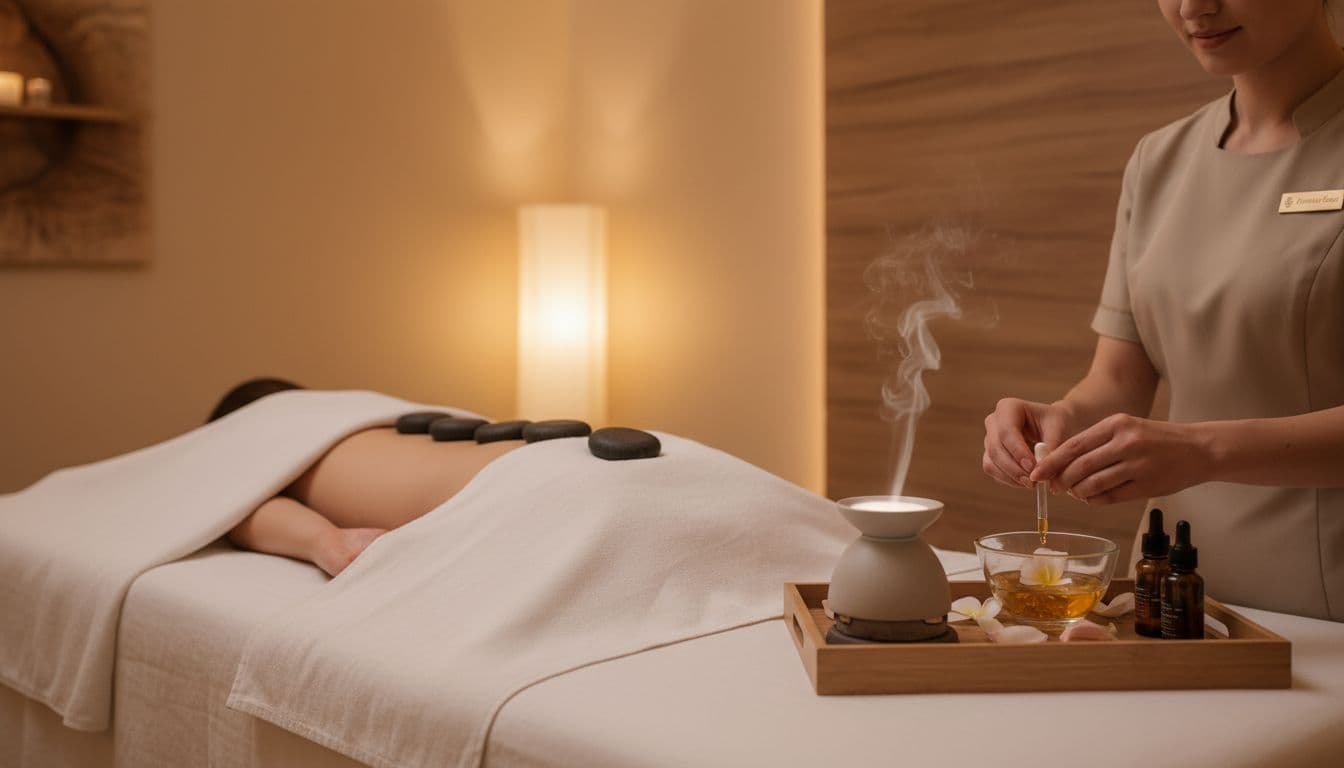
Here are common add ons people enjoy, and what they’re best for:
Aromatherapy: Great when you want a calmer mood. Many people find a gentle scent helps them breathe deeper and settle faster. If you’re sensitive to smells, ask for something subtle or skip it.
Hot stones: Helpful for people who like warmth. Heat often makes muscles feel more willing to let go, especially in the back and shoulders.
Foot focus: A smart choice if you stand, walk, or drive a lot. Extra time on feet and calves can make your whole body feel grounded.
Scalp focus: Ideal if you carry stress in your head, jaw, and neck. It can feel surprisingly soothing without needing heavy pressure.
Body scrub: Best when you want smoother skin and that “fresh” feeling. It pairs nicely with a lighter massage, since it already stimulates the body.
Steam or sauna (if offered): Works well before a massage for some people, because warmth may help you relax quicker. However, if heat drains you, save it for another day.
To choose wisely, keep it balanced:
- Choose one main outcome (sleep, loosening shoulders, recovery, mood reset).
- Pick one add on that supports that outcome.
- Match it to your time and budget, because a calm session beats an overpacked one.
If you’re torn between options, tell the therapist your goal and ask what fits best. A small upgrade can feel luxurious, but the real win is leaving with a body that feels calmer and more comfortable than when you walked in.
What a visit is like, from booking to walking out feeling lighter
A good spa visit has a rhythm. It starts with a clear booking, then a calm arrival, then a session that matches your body and mood that day. Finally, it ends with a few simple choices that help the relaxed feeling last past the parking lot.
If you already love going to Fortune Massage & Spa, this is the routine that keeps things consistently good. If you’re new, think of it like giving your therapist a map. The clearer the map, the better the results.
Booking made easy: what to ask for when you call or message
Booking is quickest when you lead with what you want, not your whole life story. Keep it friendly and simple, then add details that help them match you with the right slot and therapist. You don’t need perfect spa language either. Plain words work best.
Start with one sentence like: “Hi, I’d like to book a massage at Fortune Massage & Spa, please.” Then give your preferred day and time, and your goal (relaxation, tight shoulders, lower back discomfort, recovery after workouts).
Here’s a short checklist you can use for calls or WhatsApp messages:
- Preferred day and time: Give 1 to 2 options if you can.
- Treatment type: For example, relaxation massage, deep tissue, sports style, or couples.
- Session length: Common choices are 60 or 90 minutes (longer gives more “settling time”).
- Therapist preference (if any): A specific therapist, or male or female if that matters to you.
- Pressure preference: Light, medium, firm, or “start medium then adjust.”
- Sensitivities: Any dislikes or reactions to strong scents, specific oils, or heat.
- First visit: Say it’s your first time so they can guide you on arrival and timing.
If you’re not sure what to book, describe your body instead of guessing a treatment. For example: “My neck and shoulders feel tight, and I’m also stressed.” That one line helps a lot.
Clear booking details save time, but they also set the tone. When you feel understood early, you relax faster later.
A quick cultural note on tipping: in Kenya, tipping at spas is usually optional, not a rule. If you feel cared for and you want to show appreciation, a small tip is a kind gesture. If you don’t tip, you can still say a sincere thank you, and book again with the same therapist.
Before the session: what to eat, what to wear, and what to mention

What you do in the hour before your session matters more than people think. The goal is to arrive settled, not stuffed, thirsty, or rushing in with your shoulders up near your ears.
First, watch your timing with food. A heavy meal right before a massage can make you feel uncomfortable on the table, especially when you lie face down. Instead, eat light if you need to, then drink some water. Hydration helps because tight muscles often feel worse when you’re run down.
Aim to arrive 10 to 15 minutes early. That buffer gives you time to use the washroom, silence your phone, and let your breathing slow down. When you arrive late, your body stays in “hurry mode” and it can take half the session to soften.
Clothes are easy. Wear something comfortable that you can change out of without stress. Loose pants, a simple top, and easy shoes work well. Also, remove jewelry if it might get in the way (necklaces, big earrings, watches). It’s one less thing tugging at you.
The most important prep step is what you mention before the massage starts. Speak up early, even if it feels minor. Therapists can adjust pressure and positioning, but they can’t guess what you didn’t tell them.
Share any of these in plain language:
- Injuries or pain: sprains, strains, a sore knee, or low back pain that flares.
- Pregnancy: say how far along you are, so they can position you safely.
- Allergies or skin reactions: to oils, scents, or lotions.
- Recent surgery: even if you feel “fine,” because some areas need extra care.
- High blood pressure concerns: or any medical condition you manage with meds.
If it’s your first visit, say that too. You’ll usually get clearer guidance on changing, draping, and what’s normal during the session. That alone can remove the “am I doing this right?” worry.
During the massage: how to speak up so you get the results you want
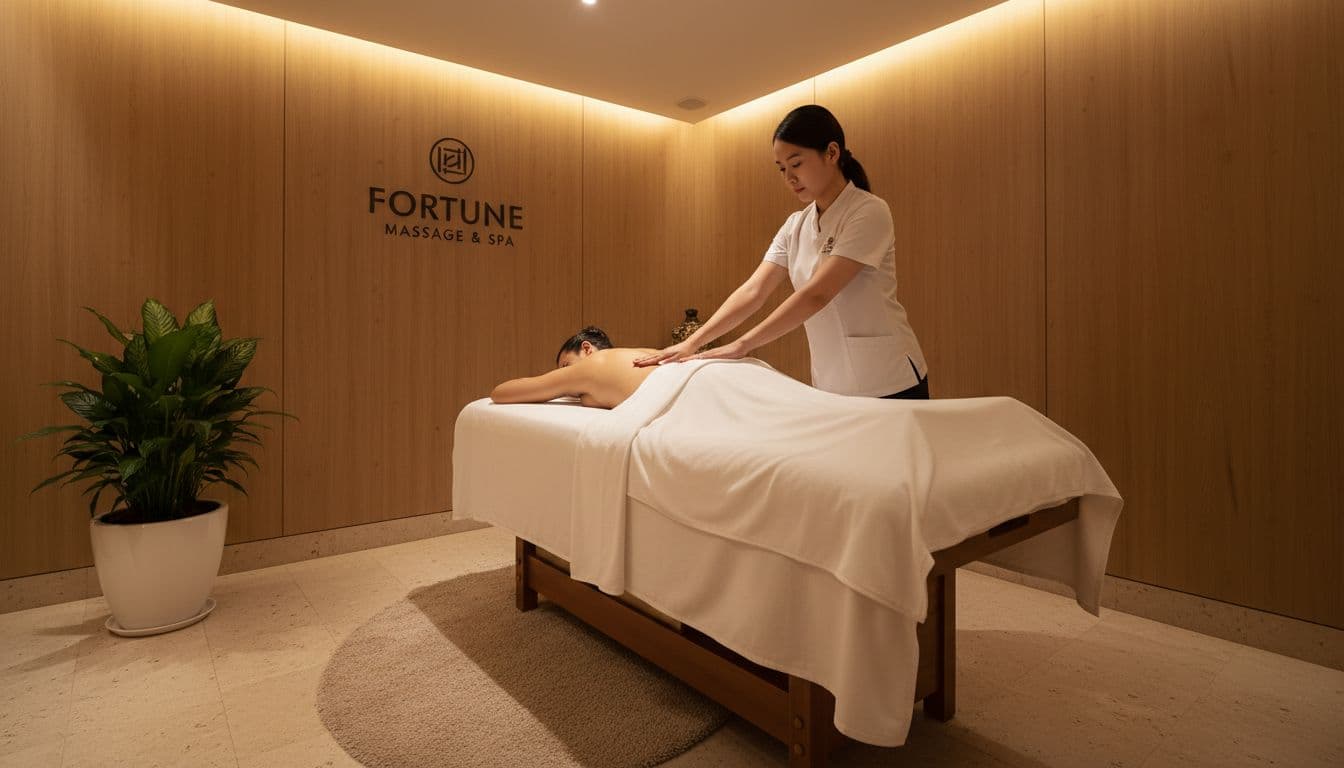
The best massages feel almost like teamwork. You bring information, the therapist brings skill, and together you land on pressure and focus that actually helps. If you stay silent the whole time, you might still relax, but you can also miss the exact result you came for.
A simple rule: say it early, say it kindly, say it clearly. Most therapists prefer quick feedback rather than guessing while you tense up.
Use short phrases like these (they work without overexplaining):
- “Lighter pressure, please.”
- “A bit deeper, that’s okay.”
- “Please avoid my lower back.”
- “More time on my shoulders, if possible.”
- “That spot feels too sharp, can we ease up?”
- “Can you focus more on the right side?”
If you want deep work, remember this: deep doesn’t mean unbearable. You should still be able to breathe normally. If you catch yourself holding your breath, your body is telling you it’s too much. Ask for a small adjustment. Even a slight reduction in pressure can turn “painful” into “useful.”
Normal reactions can surprise first-timers, but they’re usually nothing to worry about:
- Sleepiness: Many people drift off. Your nervous system is switching from alert to rest.
- Body warmth or tingles: Often happens as circulation and muscle tension change.
- Emotional release: A wave of emotion can show up, especially after stress. It doesn’t mean anything is wrong. It often means you finally feel safe enough to let go.
You can always pause. You can always ask to change something. Need a towel adjustment, a different head position, less oil, or a quick break? Say it. A massage is like getting shoes fitted. Small changes early prevent discomfort later.
Aftercare that keeps the good feeling going

Walking out feeling lighter is great. Keeping that feeling for the rest of the day is even better. Aftercare doesn’t need fancy products. It’s mostly about staying gentle with your body while it settles into the new “less tense” baseline.
Start with water. Drink some soon after your session, then keep sipping through the day. Next, give your muscles easy movement. A short walk, a few shoulder rolls, or gentle neck stretches help your body keep the looseness instead of snapping back into stiffness.
A warm shower later can also feel amazing, especially after deeper work. Heat encourages relaxation, and it can calm any tenderness.
One thing to expect: if you had firm pressure or focused work on knots, you might feel next-day soreness. That’s common. It can feel similar to post-workout soreness, especially in the shoulders, upper back, glutes, or calves. If that happens, keep it simple:
- Gentle movement: light walking and easy stretching, not intense workouts.
- Water: steady hydration through the day.
- Heat: a warm shower or a warm compress on tight areas.
- Rest: an earlier night can make a big difference.
If you loved your session, book a follow-up while the result is fresh in your mind. Spacing depends on your goal and your schedule. For general stress care, many people do every 2 to 4 weeks. For stubborn tightness, you might go a bit closer together at first, then spread it out once your body feels better.
Most importantly, notice what worked. Did medium pressure feel perfect? Did shoulders need extra time? Use that info next time, because consistency is how a good massage turns into a real routine.
Conclusion
Fortune Massage & Spa in Langata stands out because it keeps things simple and consistent, calm rooms, respectful draping, and therapists who check in on pressure so you can relax without guessing. You can go for a slow, soothing relaxation massage when stress has built up, choose deeper work when your shoulders, back, or hips feel tight, or book a couples session when you want a quiet shared reset.
To pick the right treatment, start with the feeling you want when you leave. If you want better sleep and a calmer mind, keep it light to medium and let the rhythm do the work. If you want to loosen stubborn knots, choose a firmer style, but stay in that comfortable zone where you can still breathe and soften.
A smooth visit comes down to small habits, book with your goal and preferred pressure, arrive 10 to 15 minutes early, eat light beforehand, and mention anything important (injuries, sensitivities, or areas to avoid). Afterward, drink water, keep your evening gentle if you can, and notice what worked so your next session feels even better.
Thanks for reading, and when you’re ready, book your next session at Fortune Massage & Spa and tell your therapist what you want more of (or less of), that simple clarity is what turns a good massage into your best one.