
Hot Oil Massage Guide: Benefits, Session Steps, Best Oils, and Safety Tips
Warm oil on your skin has a way of quieting everything down. Your muscles soften, your breathing slows, and even a busy mind feels less loud. It’s simple comfort you can feel right away.
A Hot Oil Massage is a massage that uses gently warmed plant-based oils to help hands glide, ease tight areas, and leave skin soft. Because warmth relaxes tissue fast, this style can feel soothing even if you’re dealing with stiffness from long desk days or post-workout soreness.
In this guide, you’ll learn what hot oil massage is (and what it isn’t), the real benefits people notice most (like looser muscles, better sleep, and calmer stress levels), plus what typically happens in a session from start to finish. You’ll also see which oils tend to work best for different goals, from simple moisture to deeper bodywork, and how scent add-ins like lavender or peppermint are being used in 2026 for an extra calming effect.
Safety matters too, especially with heat and sensitive skin. So we’ll cover smart basics like getting the temperature right, patch testing, and when to skip a hot oil massage altogether. Finally, you’ll get a practical, at-home approach so you can try it safely without turning your bathroom into an oil spill.
Hot Oil Massage basics: what it is, where it came from, and how it differs from a regular massage
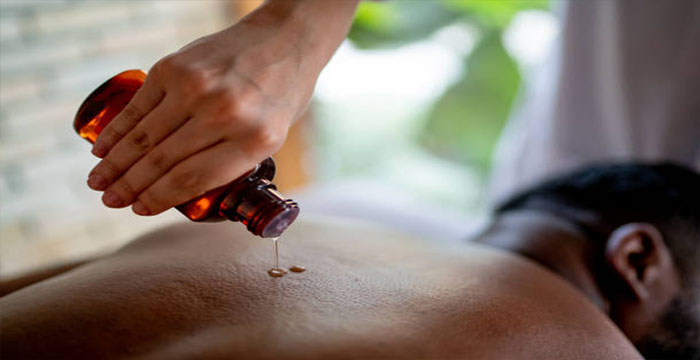
A Hot Oil Massage is exactly what it sounds like: a body massage using gently warmed oil to help hands glide, soften tight muscles, and leave your skin hydrated. The oil is usually warmed to around body temperature, or just a little above, so it feels comforting instead of shocking.
This style has roots in Ayurveda (a long-running wellness tradition from India) and other traditional body-oiling practices across Asia and beyond. The modern version is less about rituals and more about a simple idea: when warmth and oil meet skilled touch, your body tends to let go faster.
So how is it different from a “regular” massage? Most classic massages use little oil, room temperature oil, or even no oil at all. Hot oil work adds a cozy layer of heat and slip. As a result, strokes often feel smoother, the session can feel more calming, and dry skin usually benefits right away.
What “hot” really means (warm, not burning)
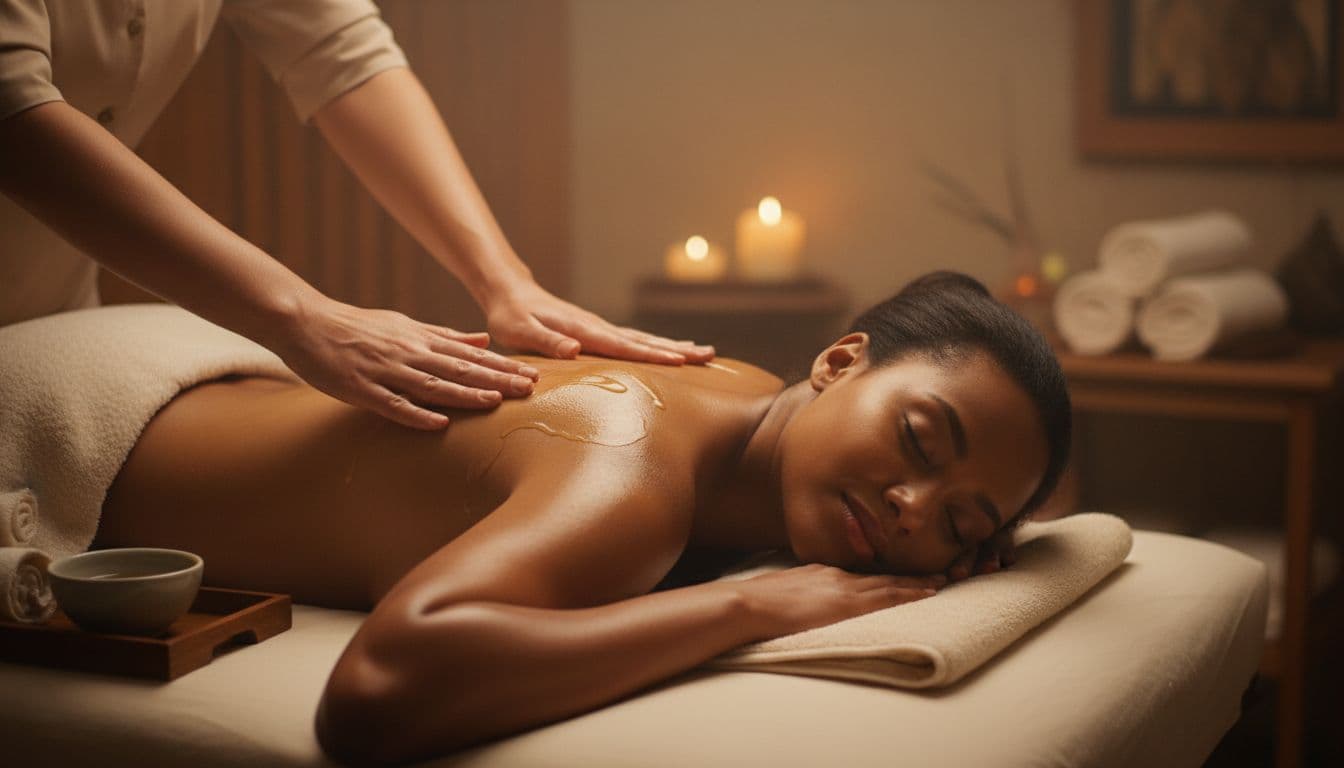
In a good Hot Oil Massage, “hot” means pleasantly warm, like warm bathwater or a towel fresh from the dryer. You should never have to brace yourself when the oil touches your skin. If you flinch, pull away, or feel a sharp sting, it’s too hot.
A simple safety habit is the wrist test. Before oil goes on larger areas, a therapist (or you, at home) can dab a small amount on the inner wrist. That skin is sensitive, so it gives quick feedback. The right temperature feels cozy and soothing within a second or two.
Overheating is risky for two reasons. First, it can irritate skin, especially if you already run dry or reactive. Heat can also intensify the effect of essential oils, which may cause redness for some people. Second, oil holds warmth well. If it’s overheated, it can cause a real burn, not just mild discomfort.
Keep this in mind: safe warmth feels like comfort that spreads. Unsafe heat feels like a warning.
Quick rule: If the oil feels “too hot for a baby’s bath,” it’s too hot for your skin.
If you’re doing hot oil at home, warm the bottle in a bowl of warm water rather than microwaving. Microwaves heat unevenly and can create surprise hot spots.
Why warm oil can feel deeper than room temperature oil
Warm oil changes the experience in a few practical ways. First, heat encourages muscles to loosen, so the body stops guarding. That doesn’t mean the therapist must press harder. It means your tissue often becomes more willing to soften under normal pressure.
Next, warmth can help blood vessels widen near the surface of the skin. As circulation increases, many people notice a gentle, heavy “melt” feeling, especially in the neck, shoulders, and lower back. You might also feel less stiff when you get up.
Oil temperature affects technique too. Warm oil spreads faster and stays fluid, so massage strokes can glide more smoothly. That glide reduces tugging on the skin and lets the therapist maintain steady contact. For you, that steady contact often translates to deeper relaxation.
Research supports the general benefits of heat therapy and massage for muscle comfort, pain relief, and stress reduction. Hot oil massage itself has fewer direct studies than those broader categories, but it fits the same core principles: gentle heat plus skilled touch tends to relax the nervous system and ease tension.
In everyday terms, room temperature oil can feel nice. Warm oil often feels like your body finally got permission to unclench.
Who hot oil massage is best for (and when it may not be the right choice)
Hot oil massage is a strong fit when your goal is comfort, softness, and stress relief, not “fixing” something in one session. It’s especially popular when your body feels tight and your skin feels thirsty.
It can be a great option if you’re looking for help with:
- Stress and poor sleep: Warmth plus slow strokes can calm a busy mind.
- Tight shoulders and neck: Heat helps those areas relax without aggressive pressure.
- Post-workout soreness: Gentle heat and massage can ease that heavy, tired feeling.
- Dry skin: Oils can leave a protective layer that helps skin feel smooth again.
- Cold weather stiffness: Warm oil feels like a reset when it’s chilly outside.
At the same time, there are moments when hot oil is not the best call. Heat increases circulation, and oil can trap warmth against the skin, so you want to be cautious if your body is already inflamed or vulnerable.
Consider skipping hot oil massage, or getting medical advice first, if any of these apply:
- Fever or active infection: Your body needs rest, not extra heat.
- Broken skin, rashes, or fresh sunburn: Oil and heat can irritate and slow healing.
- New injuries (first 48 hours), bruising, or acute sprains: Heat can worsen swelling early on.
- Blood clot history or suspected clot, severe varicose vein pain, or unexplained leg swelling: Massage and heat may be unsafe.
- Uncontrolled medical issues (for example, very high blood pressure, poorly controlled diabetes with reduced sensation): You may not feel heat accurately.
- Pregnancy: Many people still enjoy massage while pregnant, but ask a clinician first and choose a therapist trained in prenatal care.
- Very sensitive skin or allergies: Ask for a simple, unscented oil, and request a small patch test.
If you’re unsure, keep it simple: tell the therapist what you’re feeling, and choose warm, light pressure. The best hot oil massage should leave you calmer and looser, not red, sore, or overheated.
Real benefits you can feel: stress relief, sore muscle comfort, and softer skin
Hot Oil Massage feels good for simple reasons. Warmth tells your body it’s safe to soften, while steady touch helps switch you out of “go mode” and into rest. The changes can feel small at first, then add up with regular sessions, like slowly turning the volume down on tension.
After one session, most people notice calmer mood, looser shoulders, and skin that feels smoother right away. With repeat sessions, the benefits often feel more “stable”, like you recover faster from stressful weeks, sleep more consistently, and don’t carry as many tight spots from day to day.
How hot oil massage helps the body relax and the mind slow down
Stress lives in the body, not just the mind. When a therapist applies warm oil with slow, even strokes, your nervous system often shifts from alert to calm. Breathing tends to get easier because your chest, belly, and neck stop bracing. That’s why a good Hot Oil Massage can feel like exhaling after holding your breath all day.
Warmth also helps your body release endorphins, which are the body’s natural feel-good chemicals. You might not “feel hormones,” but you can feel the result: less edgy, less restless, and more comfortable in your own skin. Many people also drift into a deeper sleep that night because their system finally settles.
If you want a quick gut-check during the session, here are common signs it’s working. Look for these small shifts as the massage goes on:
- Your jaw unclenches and your tongue relaxes from the roof of your mouth.
- Your shoulders drop without you forcing them down.
- Your breathing deepens, especially the exhale, and your belly moves more freely.
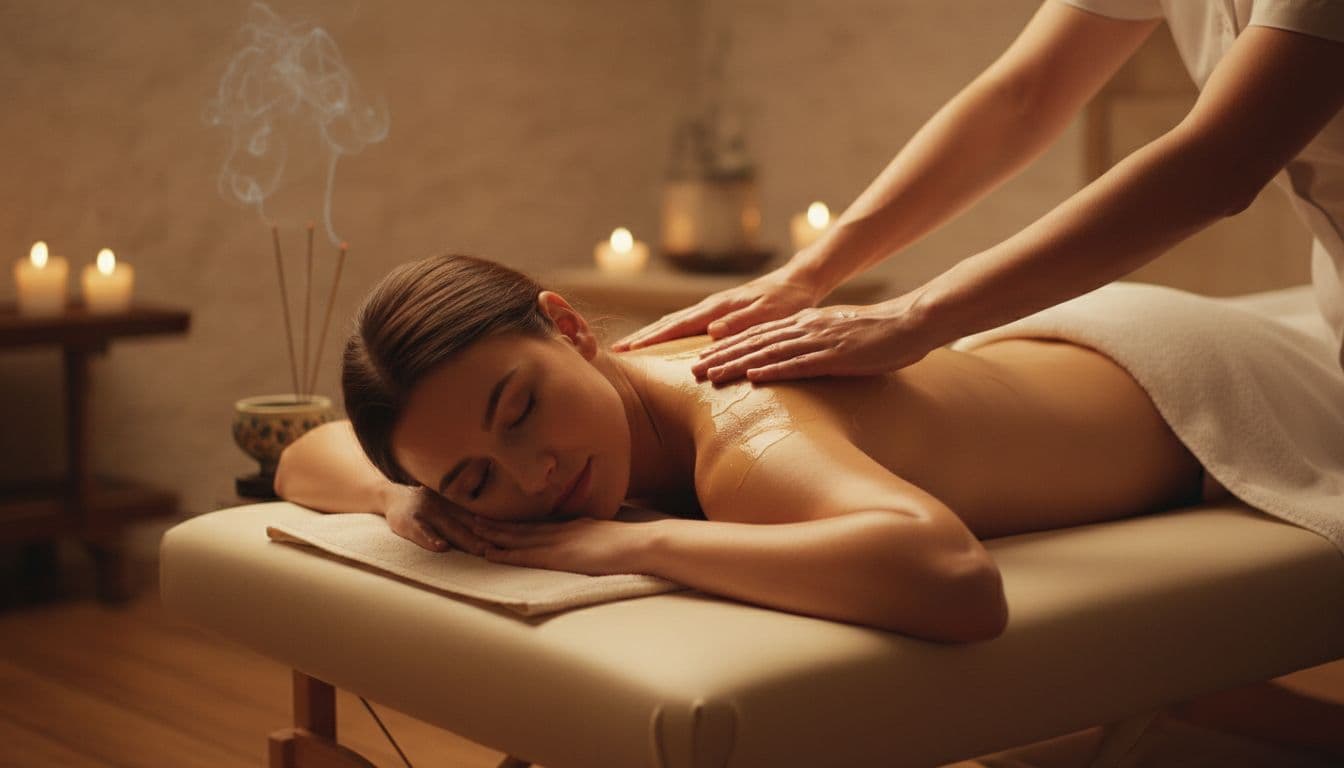
With regular sessions, this calm response often shows up faster. Your body “learns the cue,” so you can drop into relaxation sooner, even if your week is packed.
If your mind keeps racing, don’t fight it. Keep noticing the pressure, warmth, and breath. The slowdown usually follows.
Why warmth plus pressure can ease stiffness and everyday aches
Tight muscles act like a clenched fist. They limit movement, reduce comfort, and can create tender knots that feel sore when pressed. Warm oil works like a gentle “softener,” helping tissue relax so pressure can do its job without feeling sharp or aggressive.
Heat supports this in a practical way. Warmth encourages surface blood vessels to open a bit, and that can make tight areas feel less guarded. Once the area warms up, a therapist can use steady pressure and slow strokes to encourage those stubborn spots to release. You’re not forcing a knot to disappear, you’re giving it time to let go.
The most common areas people feel change right away include:
- Neck and upper back, especially from screens and stress.
- Lower back, often from long sits or long stands.
- Hips, which can tighten from walking, driving, or workouts.
- Calves, which can feel heavy after travel or lots of stairs.
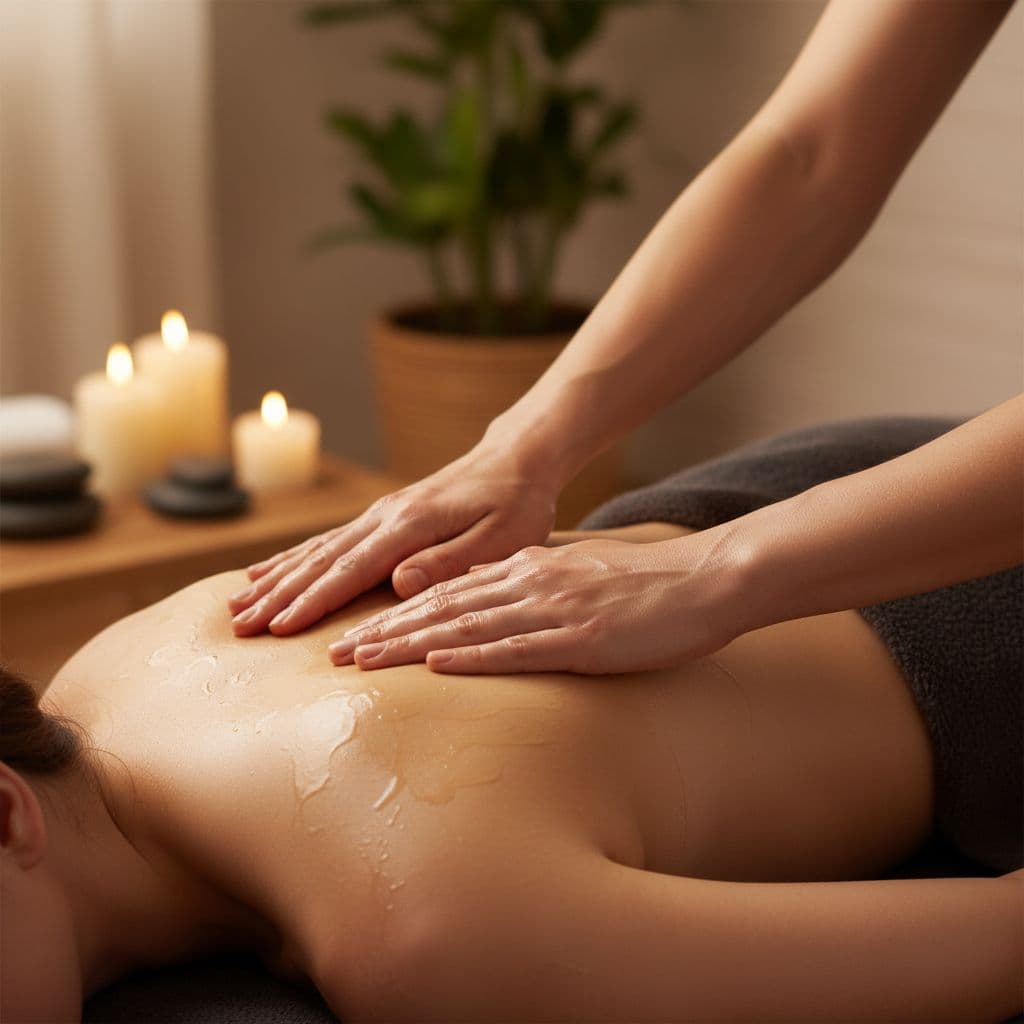
After one session, you might feel lighter movement and less stiffness when you stand up. The next day can feel even better because your body had time to settle. With consistent sessions, many people notice fewer flare-ups from “everyday aches,” plus better range of motion in areas that used to feel stuck.
Massage is also often recommended as a first step for many types of back pain, mainly because it’s low-risk and can reduce muscle guarding. Still, get medical advice if pain is severe, starts suddenly, follows a fall, includes numbness or weakness, or doesn’t improve over time. Hot Oil Massage is for comfort and support, not for ignoring red flags.
Skin benefits: moisture, glow, and comfort for dry or rough patches
One of the most immediate benefits of Hot Oil Massage is skin feel. Oils sit on the surface and act as a light barrier, which helps slow down moisture loss. In other words, oil doesn’t “add water,” but it helps your skin hold onto the hydration you already have, especially after a shower.
Warmth makes the whole process feel more soothing. The oil spreads easily, the strokes feel smoother, and dry areas often feel less itchy or tight. That’s why people with seasonal dryness love hot oil work, it’s comfort you notice before you even get off the table.
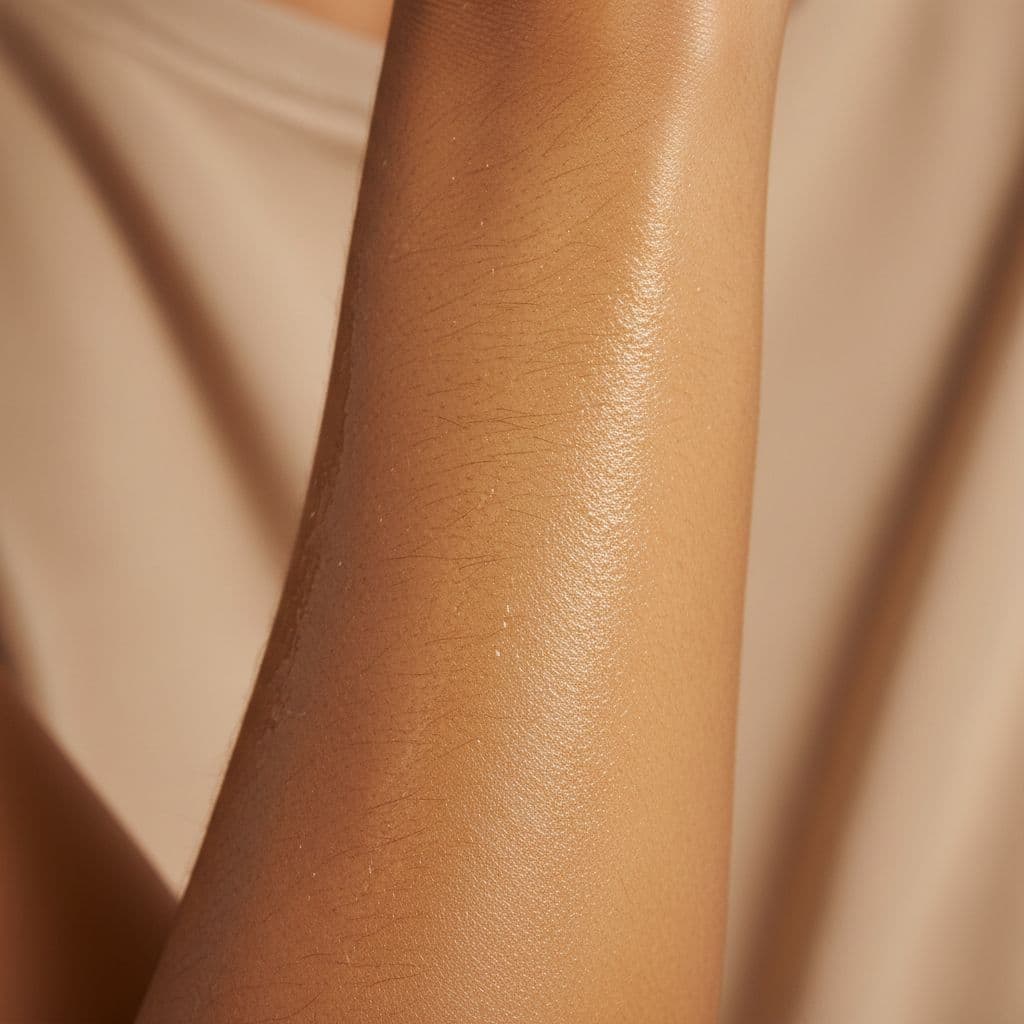
Different skin types often prefer different oil “weights”:
- If your skin gets oily or you live in heat, lighter oils (like grapeseed or jojoba) can feel comfortable and less sticky.
- If your skin runs dry or rough, richer oils (like avocado, olive, or sesame) can feel more protective, especially on elbows, shins, and knees.
Be careful with fragrance. Essential oils and strong scents can irritate sensitive skin, even when they smell amazing. If you’re prone to rashes, eczema, or easy redness, ask for an unscented option and do a patch test first (a small dab on the inner arm, then wait to see how your skin reacts).
Circulation and “detox” claims, what’s real and what’s hype
You’ll hear two big claims around Hot Oil Massage: “better circulation” and “detox.” One of these is straightforward, and the other needs a reality check.
Circulation is real and easy to understand. Blood flow delivers oxygen and nutrients to your tissues and carries away waste products from normal activity. Warmth and massage can increase circulation near the skin and help tight areas feel less stiff. That’s part of why you may feel warm, loose, or pleasantly heavy afterward.
“Detox,” on the other hand, gets exaggerated. Your body’s liver and kidneys do the heavy lifting of filtering and removing waste. A massage doesn’t replace that. What it can do, for some people, is support normal lymph flow, which can help with temporary puffiness. If you ever feel puffy after travel or a salty meal, you know the feeling, your body just wants to move fluid along.
A simple, balanced way to think about it is this: massage supports your body’s systems, but it doesn’t “flush toxins” like a drain. If you want the best post-massage payoff, drink water, eat a normal meal, and take a calm evening. That combination tends to make the relaxed feeling last longer.
What happens in a Hot Oil Massage session (step by step, from first minute to aftercare)
If it’s your first Hot Oil Massage, it helps to know what “normal” looks like. Most sessions follow a steady flow: a short check-in, a warm and private setup, careful draping, then slow oil work that builds from light to deeper comfort. Nothing should feel rushed, and you should never feel stuck staying quiet if something feels off.
Think of the session like easing into a warm pool. First your body adjusts, then you settle, and only then do you get the full relaxing effect. Here’s what usually happens, from the first minute to what you do after you get home.
Before the massage: quick questions to ask and what to tell your therapist
A good session starts with a quick chat. This is where you and your therapist agree on oil temperature, pressure, and boundaries, so you can relax instead of guessing what’s coming next. Many spas also ask you to fill out a short form, then the therapist confirms the key details out loud.
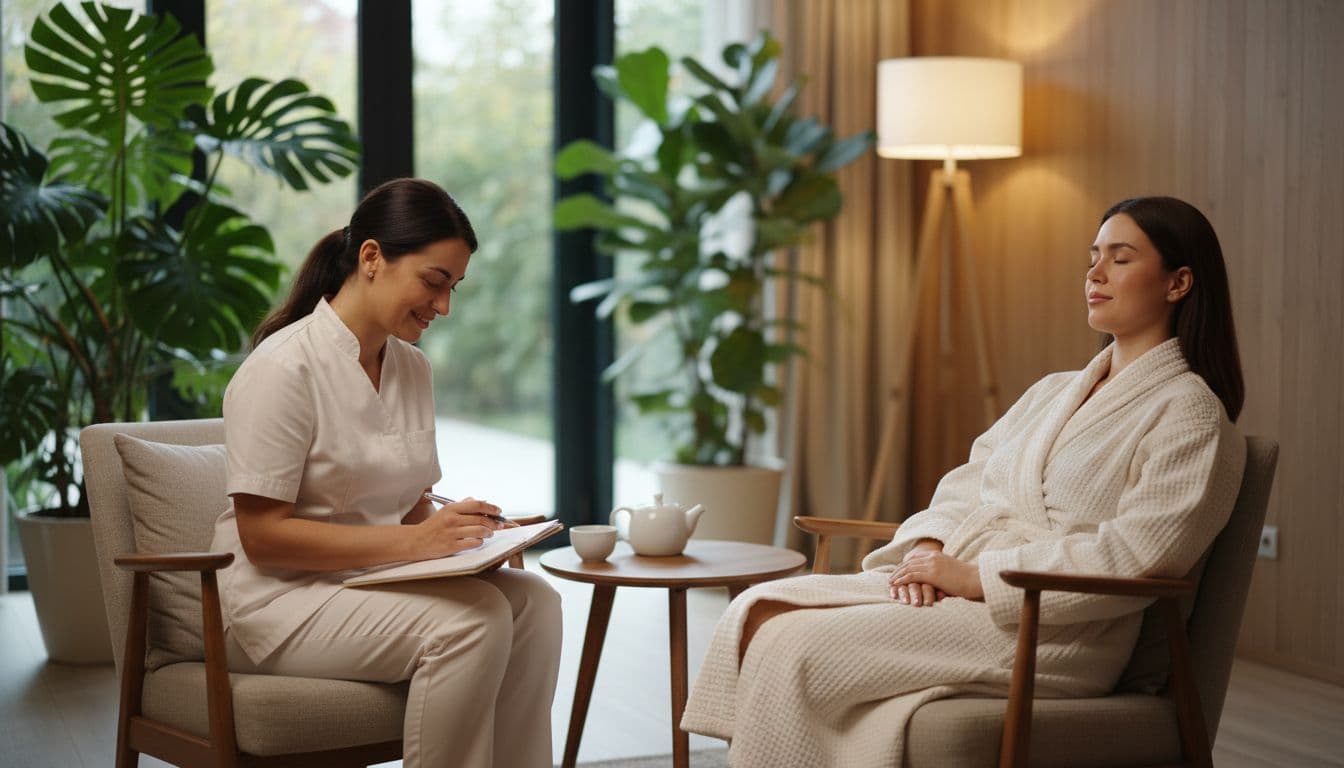
Use this simple checklist as your talking points. You don’t need a long story, just clear yes or no answers and any “please avoid” notes:
- Allergies: Food allergies (like nuts), topical allergies, or past reactions to oils or lotions.
- Sensitive skin: Eczema, easy redness, recent waxing or shaving, or acne-prone back or chest.
- Injuries or pain: Strains, sprains, sciatica-like pain, disc issues, or anything currently inflamed.
- Pregnancy: Mention trimester, comfort positions, and whether your doctor gave any limits.
- Asthma or scent sensitivity: Strong smells can trigger headaches or breathing irritation for some people.
- Preferred pressure: Light, medium, firm, or “start light then build up.”
- Areas to avoid: For example, abdomen, feet, glutes, chest, or any ticklish spots.
Also ask a few quick questions so you feel in control from the start:
- “How warm will the oil feel?” The answer should sound cautious, not extreme.
- “Can you test the oil on my wrist first?” A good therapist won’t mind.
- “How should I tell you if pressure hurts?” Agree on simple words like “less,” “more,” or “pause.”
Next comes the room setup. You’ll usually see a massage table with fresh sheets, a face cradle, and towels or blankets for warmth. Lighting stays soft, and the therapist should explain how to get on the table and what to do with your clothes. If you’re anxious, say it plainly. Most people feel calmer after they hear, “I’ll keep you covered, and I’ll only uncover the area I’m working on.”
Arrive a bit early if you can. Those extra minutes help your nervous system slow down, especially if you just came from traffic or work. In addition, drink some water beforehand, but not so much that you’re uncomfortable lying still.
Speak up early. If the oil feels too warm, the scent feels strong, or pressure hurts, say it right away. Small fixes in minute one prevent a tense hour.
During the massage: common techniques and what each one is for
Once you’re on the table, your therapist will drape you with a sheet or towel. Only the area being worked on is uncovered. This can feel formal at first, but it’s there for comfort, warmth, and privacy. Then the therapist often begins with still hands on your back or shoulders, almost like a “hello” that helps your body settle.
Before oil goes on, many therapists do a brief warm-up over the sheet or with minimal oil. This helps them sense where you hold tension. Next, they apply warmed oil in small amounts, then spread it with broad strokes. If a lot of oil goes on at once, it can feel slippery and uncontrolled, so skilled therapists build it gradually.
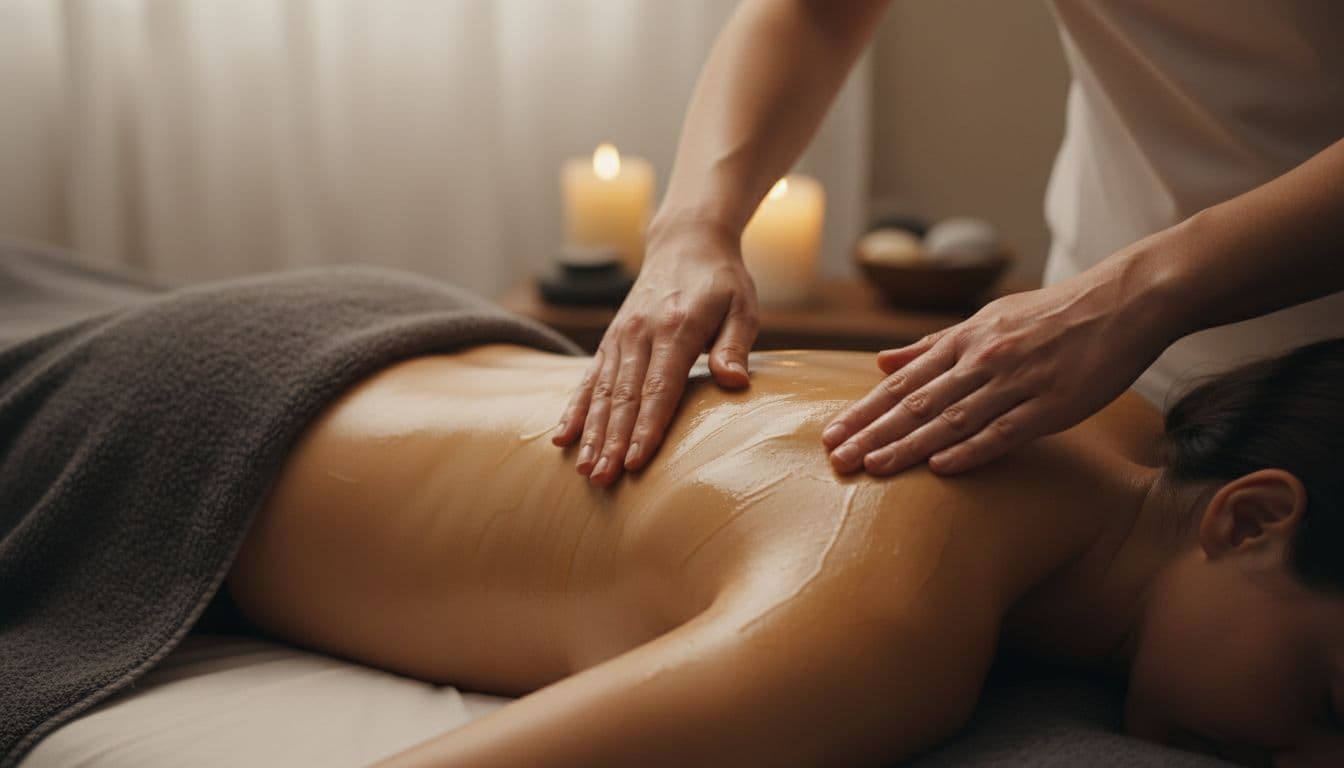
Here are the most common Hot Oil Massage techniques you’ll feel, and why they’re used:
- Long gliding strokes: These slow, smooth passes warm the tissue and spread oil evenly. They also help your brain “map” safe touch, which makes it easier to relax.
- Gentle kneading: This feels like lifting and squeezing muscle, often on shoulders, upper back, hips, and calves. The goal is to soften tight areas without sharp pain.
- Circular work around joints: Small circles around shoulders, knees, ankles, wrists, and the base of the neck help reduce stiffness. It’s more about comfort and mobility than deep pressure.
- Slower passes for relaxation: When a therapist slows down, your breathing often slows too. That’s when many people drift close to sleep, because the nervous system stops staying on alert.
A typical flow treats larger muscle groups first, then focuses on the spots that need extra time. For example, you might start on the back, then legs, then arms, then neck and shoulders. Some sessions include scalp or face work if you want it. Others skip those areas to keep it simple and quiet.
Throughout the massage, you should feel steady pressure, not poking. Warm oil should feel like a heated blanket, not a sting. If anything crosses the line, say it clearly:
- If the oil feels too warm: “That’s a bit hot, can you cool it down?”
- If the scent feels strong: “The smell is a lot for me, can we use unscented?”
- If pressure hurts: “That’s sharp, please use less pressure there.”
Optional add-ons are also common now, and they’re usually offered as choices, not must-haves. In 2026, you may see therapists suggest custom aromatherapy blends, warm stones, or infrared warmth (like a gentle heat lamp or warming wrap). These can feel great, but they should always match your comfort and health notes. If you prefer a plain session, say so. A simple Hot Oil Massage done well is already powerful.
After the massage: how to keep the benefits going at home
When the massage ends, your therapist should give you a moment to come back slowly. Don’t jump up fast. Warmth, relaxation, and being face down for a while can make you feel floaty for a minute. Sit up like you’re waking from a nap, then stand when you feel steady.
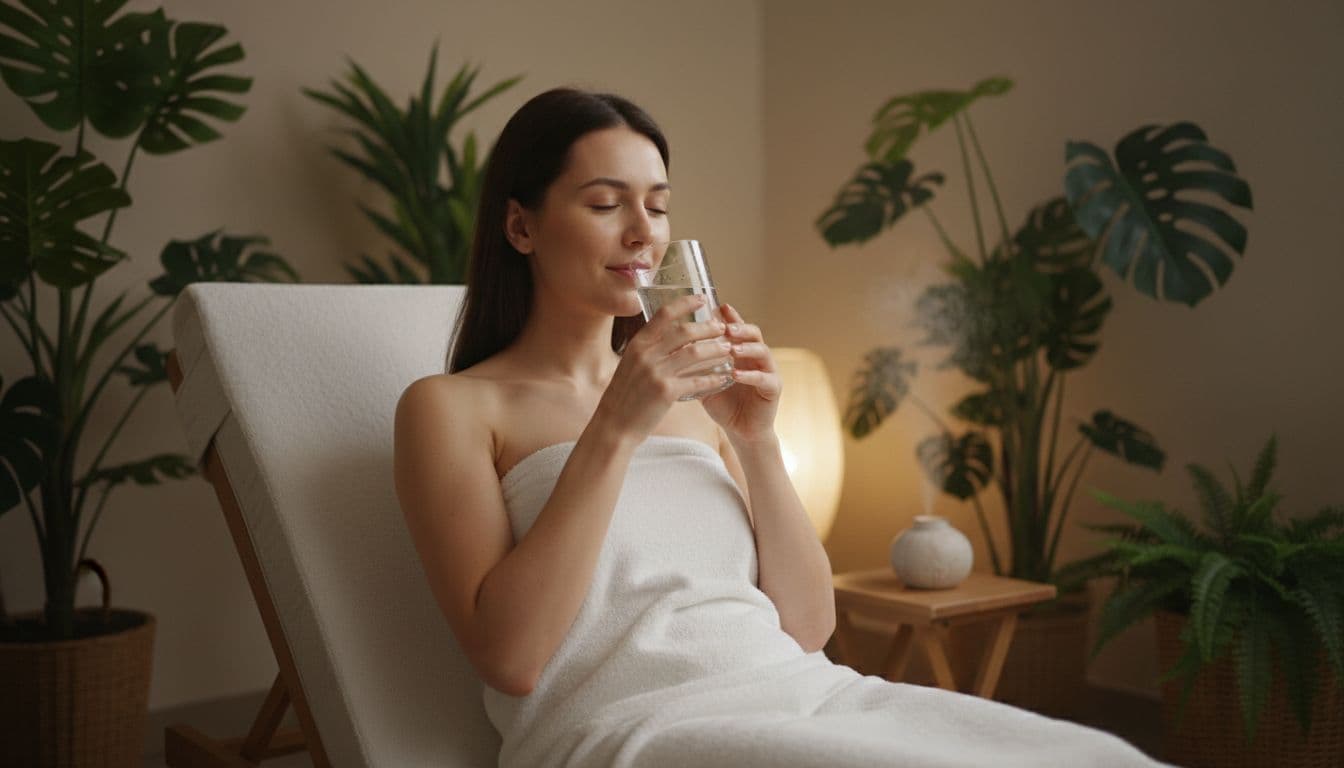
Right after the session, small choices keep the benefits going longer:
- Rest for a few minutes if you can. Even five quiet minutes helps your body “lock in” that calm.
- Drink water soon after. Massage can leave you thirsty, especially in warm rooms.
- Wait 20 to 30 minutes before a shower if you’re comfortable doing so. That time lets the oil sit on the skin, and it keeps you from feeling chilled right away. If you feel sticky or you have acne-prone skin, a sooner rinse is fine.
If you feel lightheaded, treat it like low battery, not an emergency you should push through. Sit down, breathe slowly, and sip water. In addition, ask the front desk for a moment in a quiet spot. If dizziness is strong, lasts long, or comes with chest pain or shortness of breath, get medical help.
Oil can also clog pores for some people, especially on the back and chest. To prevent breakouts, keep aftercare simple:
- Use a gentle cleanser when you shower (no harsh scrubs).
- Put on clean clothes after, especially bras, gym tops, or tight waistbands.
- Sleep on clean sheets that night if you can, because oil transfers easily.
Finally, plan your workout wisely. Light movement is usually great, like walking, stretching, or easy yoga, because it keeps you loose. On the other hand, heavy lifting or intense training can wait until the next day if you feel sleepy or extra relaxed. Your body just had a reset, so give it a little space to enjoy it.
Choosing oils, mixing scents safely, and doing a simple hot oil massage at home
A great at-home Hot Oil Massage comes down to three things: a carrier oil that matches your skin, essential oils used with restraint, and a setup that keeps you safe (and upright). The goal is simple comfort, not a chemistry experiment or a deep-tissue workout.
Start with one reliable carrier oil, warm it gently in a water bath, and keep your scent blend mild. When you do that, the massage feels smooth, your skin stays happy, and clean-up stays easy.
Best carrier oils for body massage (and how to pick based on your skin)
Your carrier oil is the “main meal.” It gives slip for massage, cushions pressure, and sits on your skin after. The best one is the one you actually enjoy using, because feel matters as much as benefits.
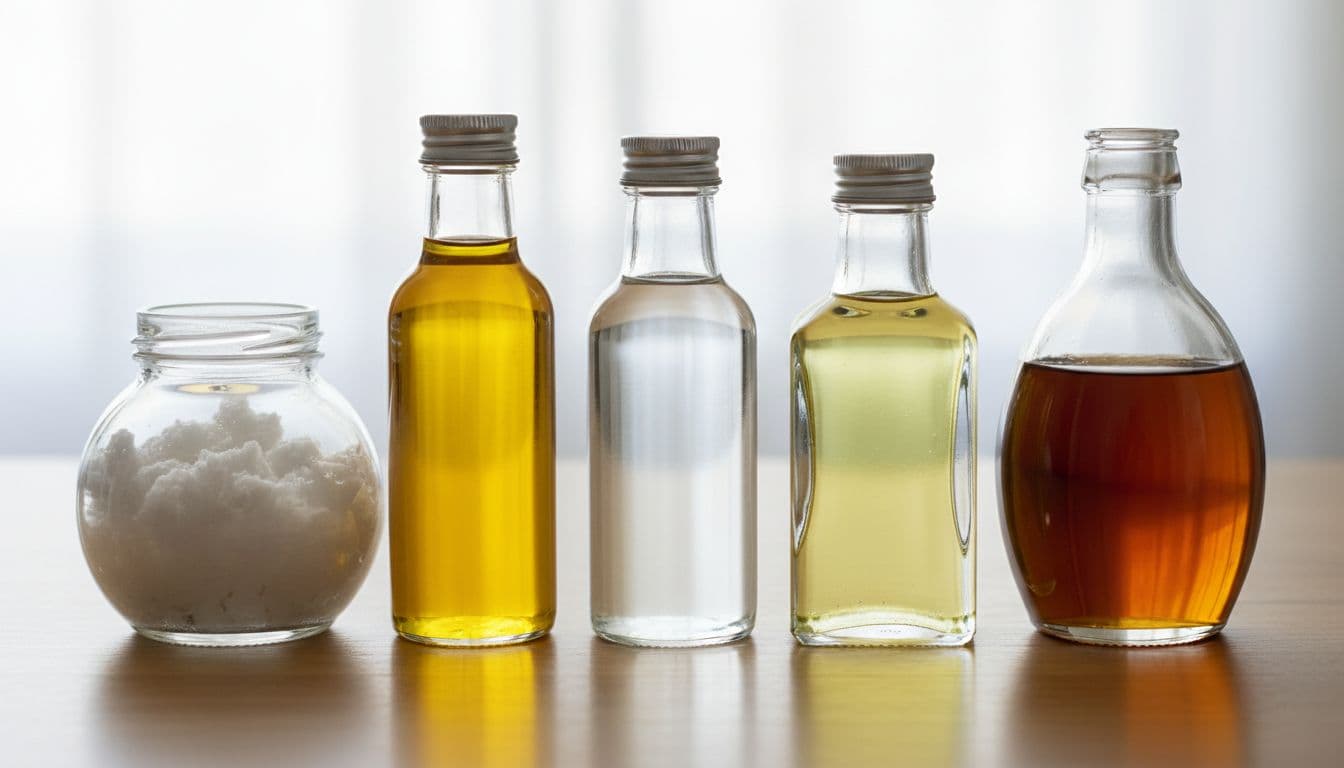
Here’s a simple, practical breakdown of popular options, with real-life pros and cons.
Coconut oil (fractionated or regular)
Coconut can feel like a “clean glide” oil, especially the fractionated type (it stays liquid).
- Feel: Silky, can feel a bit slick.
- Absorption: Medium, often leaves a soft finish.
- Scent: Mild coconut (fractionated is close to odorless).
- Stain risk: Moderate, it can mark sheets if you use a lot.
- Best for: Normal-to-dry skin, people who want an easy, smooth glide.
- Watch-outs: Some people break out on the back or chest with richer oils.
Sweet almond oil
This is a classic massage oil because it spreads well and feels “luxury” without being heavy.
- Feel: Smooth, not too thick.
- Absorption: Medium, stays workable for longer strokes.
- Scent: Light and slightly nutty.
- Stain risk: Moderate.
- Best for: Normal, dry, or slightly sensitive skin that likes a soft finish.
- Watch-outs: Nut allergy note: if you have a nut allergy, skip almond and choose jojoba or a different non-nut option.
Jojoba oil
Jojoba feels light and balanced, and many people like it for reactive or oily-prone skin.
- Feel: Light, less greasy than many oils.
- Absorption: Faster than almond or olive for many people.
- Scent: Very mild, almost neutral.
- Stain risk: Lower than heavier oils, but still possible on fabric.
- Best for: Combination, oily, or sensitive skin, and anyone who hates a heavy after-feel.
- Watch-outs: It can feel “too light” if your skin is very dry.
Olive oil
Easy to find, often already in the kitchen, and very protective on dry areas.
- Feel: Thick and rich, with more drag if you use too little.
- Absorption: Slower, it tends to sit on top longer.
- Scent: Noticeable “olive” aroma.
- Stain risk: Higher, especially on light sheets and towels.
- Best for: Very dry skin, elbows, knees, shins, or a slower relaxing massage.
- Watch-outs: If you’re acne-prone, keep it off the back and chest.
Sesame oil
Popular in traditional body-oiling routines because it feels warming and grounding.
- Feel: Medium to rich, good grip without feeling sticky.
- Absorption: Medium-slow, great for a longer massage.
- Scent: Distinct sesame smell (some love it, some don’t).
- Stain risk: Moderate to high.
- Best for: Dry skin, cold weather stiffness, people who like a “cozy” oil.
- Watch-outs: If you dislike strong natural scents, blend with a more neutral oil (like jojoba).
A quick way to choose is to think in textures:
- If you want light and low-fuss, start with jojoba.
- If you want classic massage glide, start with sweet almond (unless nut allergies apply).
- If you want rich and protective, try sesame or olive, and protect your linens.
Before committing, buy a small bottle first. Then do a patch test: apply a pea-sized amount to your inner forearm, leave it on, and check the area the next day. If you get itching, bumps, or strong redness, switch oils.
Essential oils: how to use them without irritating your skin
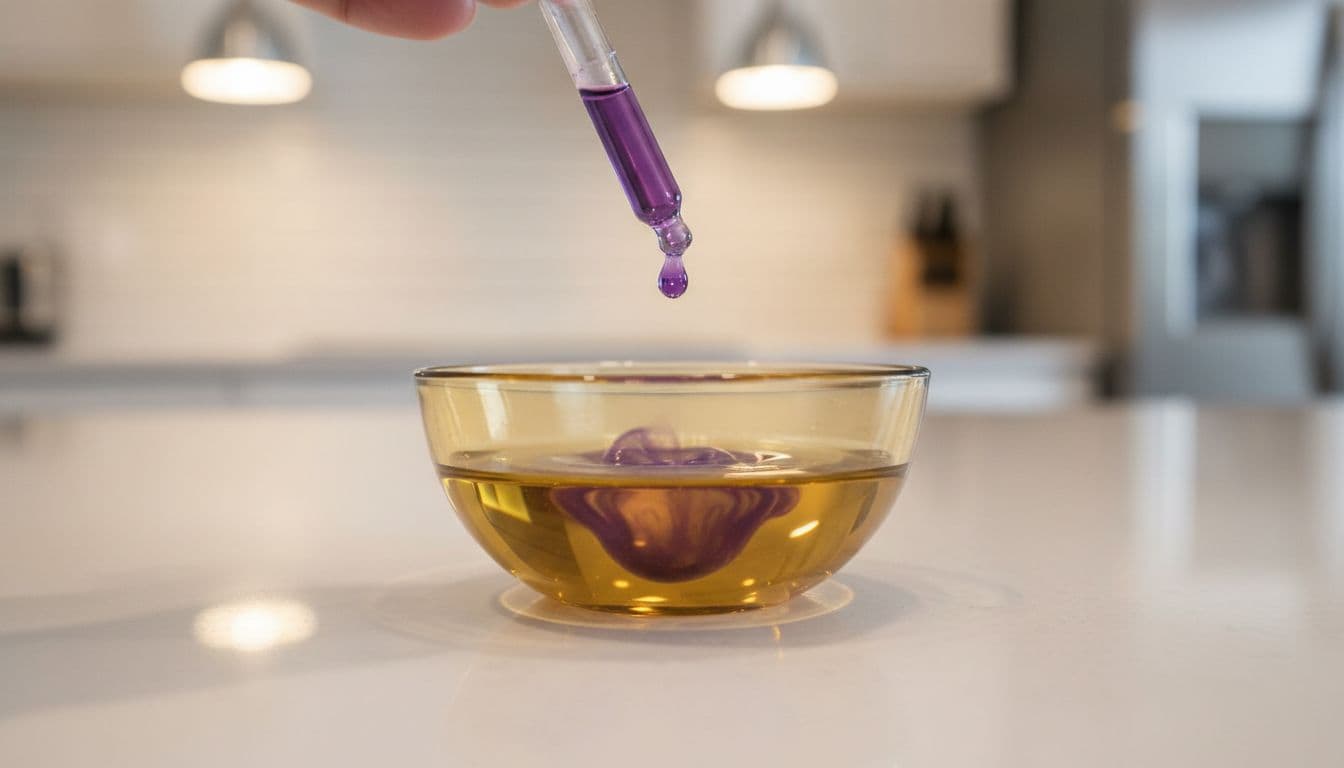
Essential oils can make a Hot Oil Massage feel extra calming, but they can also irritate skin fast when you use too much. Think of them like hot sauce: a few drops can be perfect, while a heavy hand ruins the whole meal.
Start with a simple dilution you can remember:
- General body use: about 1 to 2 drops of essential oil per 1 tablespoon of carrier oil.
- Sensitive skin or first time: stay closer to 1 drop per tablespoon, or skip scent entirely.
Mix in a small bowl, not in your palm. That way you won’t accidentally over-pour. Keep your blend simple too, one oil is enough, two oils is plenty.
If your goal is relaxation, these tend to be “calmer” choices for many people:
- Lavender: a classic for winding down and easing tension.
- Roman chamomile: gentle, soothing, and often well-liked for bedtime routines.
A few safety rules keep things comfortable:
- Never use essential oils undiluted on skin. “Neat” application can sting or burn.
- Avoid essential oils on broken or freshly shaved skin. Tiny micro-cuts make irritation more likely.
- Don’t mix too many oils. More ingredients mean more chances to react.
Some essential oils deserve extra caution because they can feel intense, especially with warmth:
- Peppermint: can feel icy or tingly, and it can irritate sensitive skin.
- Cinnamon and clove: common irritants, and they can cause a hot, rashy reaction.
- Oregano and thyme: strong, often too harsh for massage blends.
Certain situations also call for a conservative approach:
- Pregnancy or breastfeeding: keep blends very mild, or skip essential oils. When in doubt, ask a clinician and a therapist trained in prenatal care.
- Kids: avoid strong oils (especially peppermint and eucalyptus). Even “nice” scents can overwhelm.
- Very sensitive skin, eczema, or frequent rashes: choose unscented carrier oil and don’t push it.
One more plain-language warning that catches people off guard: citrus oils and sunlight. Some citrus essential oils (like bergamot and some types of lemon) can make skin more sensitive to the sun. That means a normal day outside can turn into a patchy burn or dark marks on the oiled areas. If you plan to be outdoors soon, skip citrus scents and go with a gentler option like lavender.
If you can smell the essential oil strongly from arm’s length, it’s probably too much for a full-body massage blend.
Finally, patch test your finished blend, not just the carrier oil. Dab a little on your inner forearm, wait a day, and only then use it broadly.
A safe, beginner-friendly at-home Hot Oil Massage routine
You don’t need fancy gear for a safe at-home Hot Oil Massage. You need warmth, towels, and a slow pace. The best session feels like easing your body into rest, not trying to fix every knot at once.
Set up first, because safety beats vibes. Warm the room so you don’t tense up. Put down an old towel on the bed or couch, and keep another towel nearby for your hands. If you’re in a bathroom, place a towel or non-slip mat under your feet to reduce slip risk.
Heat the oil safely (no microwave). Microwaves heat unevenly, so you can get surprise hot spots. Use one of these instead:
- Warm water bath: Place your small oil bottle (tightly closed) in a mug or bowl of warm water for a few minutes.
- Simple double boiler: Put a heat-safe bowl with oil over a pot of hot water on low heat, then remove once warm.
Before oil touches larger areas, do the wrist test. Put a drop on the inside of your wrist. It should feel cozy, not “ouch.”
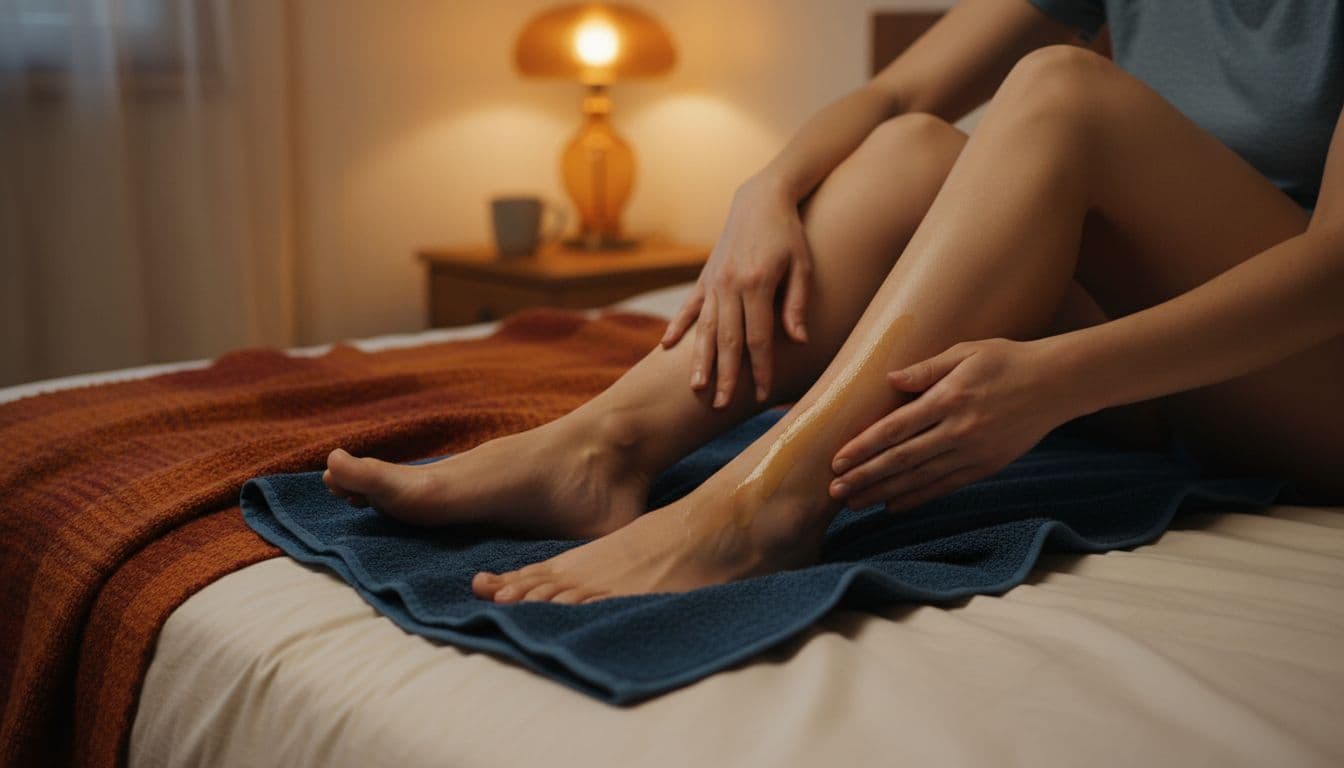
A simple 20 to 30 minute routine (self-massage or with a partner)
Use small amounts of oil, then add more if needed. Too much oil makes it hard to control pressure.
- Start with feet and lower legs (5 to 8 minutes)
Rub a small amount of warm oil between your hands. Then massage the sole of the foot with your thumbs in slow circles. Glide up the calf with long strokes toward the knee, then back down with lighter pressure. If you get cramps easily, keep calf pressure moderate. - Move to thighs (3 to 5 minutes)
Use broad palm strokes up the front and sides. Avoid heavy pressure behind the knee. If you’re massaging a partner, keep strokes slow and even so they don’t tense. - Hands and arms (4 to 6 minutes)
Massage the palm with your thumb, then gently pull each finger from base to tip. Glide up the forearm toward the elbow, then soften your pressure on the way back. For tight forearms (from typing or lifting), pause and do small circles on tender spots. - Shoulders and neck (5 to 7 minutes)
This is where most people feel instant relief. Use your fingertips to make small circles at the tops of the shoulders. Then knead the trapezius muscle gently, like squeezing a stress ball, not pinching skin. For the neck, use light pressure and slow strokes, and avoid pressing on the front of the throat. - Back (5 to 8 minutes, partner help)
If a partner helps, have them use flat hands and long strokes along the back muscles, staying off the spine itself. They can do slow circles around the shoulder blades and the lower back. Keep pressure comfortably firm, never sharp. If someone winces, lighten up.
Pressure tips that keep it safe:
- Aim for “good pressure” that feels satisfying, not intense.
- Avoid digging into bony areas and joints.
- If pain turns sharp, hot, or electric, stop on that spot.
When you finish, wipe off extra oil with a towel. Then relax for a few minutes before standing. Your body may feel heavy in a good way.
A 5-minute version for busy days
On rushed days, do a mini routine that still counts:
- Warm a teaspoon of oil between your hands.
- Massage neck and shoulders for 2 minutes with gentle circles.
- Rub hands and forearms for 2 minutes, especially the palm and thumb base.
- Finish with 1 minute of slow breathing while you rest your hands on your shoulders.
This short version works because it targets the spots that hold stress the most.
Common mistakes that ruin the experience (and easy fixes)
Most at-home Hot Oil Massage “fails” come from a few fixable habits. Catch them once, and the next session feels easier and safer.
Oil that’s too hot
Hot oil should feel like warm bathwater. If it stings, it’s too hot.
- Easy fix: Use a warm water bath or double boiler, then do the wrist test every time.
Using too much oil
A flood of oil makes your hands slide without control, and it can leave you feeling greasy.
- Easy fix: Start with a teaspoon or two per body area, then add slowly.
Skipping the patch test
Even “natural” oils can irritate, especially with fragrance.
- Easy fix: Patch test the carrier oil and the final blend on your inner forearm, then check the next day.
Using undiluted essential oils
This is one of the quickest ways to trigger redness or a burning feeling.
- Easy fix: Stick to about 1 to 2 drops per tablespoon of carrier oil, and keep blends simple.
Massaging over broken skin
Cuts, rashes, sunburn, and fresh shaving nicks don’t mix well with oil and friction.
- Easy fix: Work around the area and keep it clean and dry until it heals.
Slippery floors and “oops” moments
Oil travels. A small drip can turn tile into an ice rink.
- Easy fix: Lay towels where you stand and move, and wipe spills right away.
Candles too close to oil
Open flames and oily towels are a risky combo.
- Easy fix: Choose a safer light source (like a lamp), or keep candles far away and stable.
Using old, rancid oils
Rancid oil smells “off” (like crayons or stale nuts) and can irritate skin.
- Easy fix: Store oils cool and dark, close lids tight, and toss anything that smells wrong.
Not cleaning oily towels safely
Oily fabric can hold smell, and it can even trap heat in a pile.
- Easy fix: Air dry towels first, then wash them in hot water with detergent. Don’t leave oily towels wadded up in a corner.
If you keep the oil warm (not hot), the scent mild, and the floor dry, your home routine can feel surprisingly close to a spa session.
Conclusion
Hot Oil Massage works best for people who carry stress in their shoulders, feel stiff from long sits, or want simple comfort for sore muscles and dry skin. It can also be a great choice when you want a calmer mind and better sleep, because warm, steady strokes help your body unclench without needing intense pressure.
Safe warmth is the line between soothing and irritating. The oil should feel like warm bathwater, not a sting, and you should speak up fast if it feels too hot. Keep scents light too, because heat can make essential oils feel stronger on the skin.
Oil choice matters because it changes the whole session, including glide, skin feel, and how likely you are to break out. Light options like jojoba tend to feel cleaner, while richer oils like sesame or olive feel more protective, especially in cold weather. Most importantly, the “best” oil is the one your skin tolerates and your nose enjoys, since comfort is the point.
Here’s a simple plan you can use today: pick one carrier oil, do a patch test, warm it gently in a water bath, start with a small amount, then listen to your body the whole time. If it feels cozy and your skin stays calm, you’re doing it right. Comfort is the goal, not forcing knots to give up in one session.