
Massage 101: Benefits, Types, Safety Tips, and What to Expect
After a long day at work, it’s easy to end up with a stiff neck, tight shoulders, or legs that feel heavy and sore. Sometimes you stretch, drink water, and hope it passes, but the tension still hangs on. That’s often when massage starts to sound less like a treat and more like a smart reset.
In simple terms, massage is hands-on work on your muscles and other soft tissue. A therapist uses pressure and movement to help ease tight areas, improve circulation, and calm your nervous system. Most people book a session because they want less pain, less stress, and sleep that feels deeper and more steady.
Still, it helps to keep expectations realistic. Massage can support recovery, comfort, and relaxation, but it isn’t magic, and it’s not a replacement for medical care. If you’ve got sharp pain, numbness, swelling, fever, or an injury that’s getting worse, it’s best to check in with a qualified health professional first.
This guide breaks it all down in a clear, practical way. You’ll learn the most common types of massage and what each one is best for, the real benefits you can expect, and how to choose a therapist and style that fits your goals. You’ll also get a quick walk-through of what a session feels like, safety tips to avoid common mistakes, and easy habits that can help the results last longer between appointments.
What massage does in your body, from muscles to mood
Massage is more than “rubbing sore spots.” Pressure and movement send signals through your skin, muscles, fascia (the thin, web-like tissue that wraps and connects muscles), and nerves. Think of fascia like the stretchy film around a chicken breast. When it gets stiff from stress, long sitting, or hard training, you can feel pulled and tight.
During a session, your therapist uses strokes, kneading, and steady pressure to help tissue glide better. That can make tight muscles feel less “stuck,” improve comfort, and help you move more freely. At the same time, your nervous system gets a strong cue that you’re safe enough to relax.
Some effects feel immediate. You might notice warmth in an area because blood flow increases close to the skin. You may also feel sleepy because your body shifts out of high alert. On the other hand, mild soreness can show up later, especially after deep work, because the tissue was challenged like a workout.
One key skill is knowing the difference between good pressure and pain. Good pressure feels strong but helpful, like “yes, that’s the spot,” and you can still breathe slowly. Pain feels sharp, stabby, or makes you tense up or hold your breath. If your jaw clenches or your shoulders creep up toward your ears, the pressure is probably too much. Speak up early, a small adjustment can change the whole session.
Relaxation response: how massage helps your stress system calm down
When you’re stressed, your body leans into fight-or-flight. Your breathing gets shallow, your heart rate climbs, and muscles brace like they’re preparing for impact. Massage can help flip that switch toward rest-and-digest, where digestion, recovery, and steady breathing come back online.
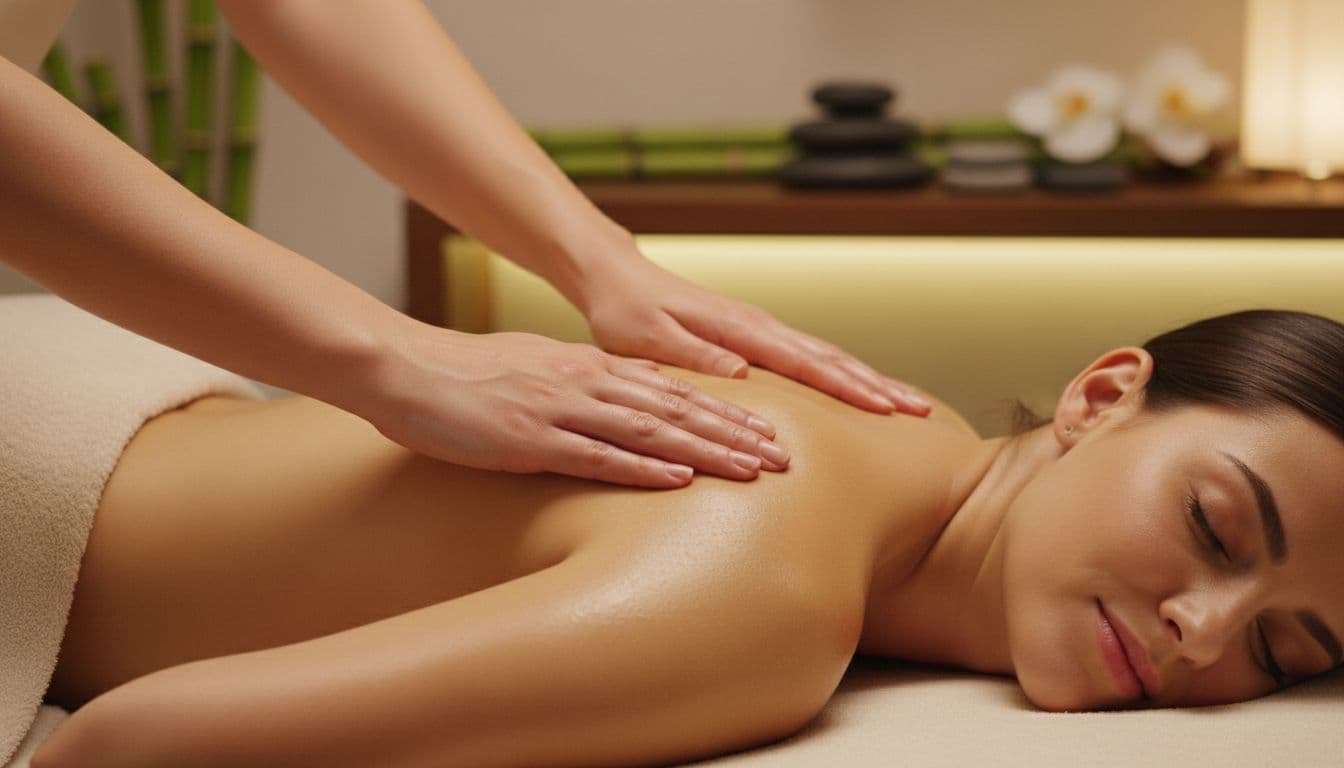
A big reason is simple: safe touch plus slow, steady pressure tells the nervous system, “You can stand down.” As a result, many people notice small but clear signs of calm during or right after the session:
- Breathing slows without trying.
- The jaw unclenches, and the tongue stops pressing on the roof of the mouth.
- Hands open, shoulders drop, and the brow softens.
Massage also helps because it pulls your attention into the body. Instead of replaying problems in your head, you start noticing sensations, warmth, and the rhythm of your breath. That shift alone can feel like a reset.
Still, results vary. If your stress level is high, it may take longer to settle, and you might even feel emotional afterward. Some people relax fast, while others need a few sessions before their body trusts the process. Either way, the goal is not to “force” relaxation, it’s to create the conditions where it can happen.
A good sign you’re in the relaxation response is simple: you can breathe easily, and your muscles stop trying to “help” the therapist.
Pain and tightness: what massage can help, and where it has limits
A lot of everyday pain comes from overworked muscles, stiff fascia, and poor recovery. Massage can help most when the problem is tension, overuse, or stress-related tightness, not a serious injury.
Here are common issues that often respond well:
- Tension headaches: Tight neck, jaw, and upper back muscles can feed head pain. Massage may reduce the “pressure band” feeling for some people.
- Neck and shoulder tightness: Desk work and phone use can leave traps and upper back muscles feeling like rope. Gentle to firm work can soften that guarded feeling.
- Low back soreness: Many people carry tension in the lower back when hips are tight. Massage can ease muscle guarding and help you move with less stiffness.
- Tight hips: Long sitting can make hip muscles feel short and cranky. Massage can reduce that “pinched” feeling and make stretching easier.
- Post-workout muscle soreness: After training, massage can improve comfort and help you feel less heavy and achy.
Massage works through a mix of better circulation near the surface, easing trigger points (tender “knots”), and helping tissue slide again. It also changes how the brain interprets signals from sore areas. In other words, it can turn down the volume on discomfort.
However, massage has limits. It won’t “put something back in place,” and it can’t fix a tear, fracture, nerve compression, or an infection. If pain is sharp, shooting, or paired with numbness, get checked by a clinician first. Massage is support, not a substitute for diagnosis.
Pause and get medical advice if you have any of these red flags:
- Numbness, tingling, or weakness in an arm or leg.
- Sharp, shooting pain that travels down a limb.
- Swelling, redness, heat, or a painful calf (especially if it’s sudden).
- Fever, chills, or feeling unwell along with body pain.
- New pain after a fall, car accident, or sports injury, especially if it’s worsening.
If you’re unsure, ask for a lighter session or postpone. The best massage is the one that matches what your body can handle that day.
Sleep, energy, and focus: the benefits people notice after a good session
After a good massage, some people feel like taking a nap. Others want to clean the house, go for a walk, or hit the gym. Both reactions can be normal.

Sleepiness often shows up when your nervous system finally gets permission to relax. Lower stress means less mental noise at bedtime, so you fall asleep faster or wake up less. In addition, when sore muscles calm down, you stop tossing and turning to “find a position.”
Energy can show up for a different reason. When tight areas loosen, you may breathe more fully and move with less effort. Pain takes a lot of attention too, so when discomfort drops, focus can come back. Many people describe it as feeling “lighter” in their body.
It also helps to expect a few immediate, normal after-effects:
- Warmth in treated areas because circulation near the skin increases.
- Mild tenderness the next day after deep pressure, especially if tissue was very tight.
- A clearer head because stress signals quiet down.
The most realistic expectation is that benefits often build with consistency. One session can feel great, but regular massage (plus basic hydration, movement, and sleep) usually makes the changes last longer.
Myth vs fact: clearing up common massage misunderstandings
A few quick truths can save you from chasing the wrong goal.
- Myth: Massage “flushes toxins.”
Fact: Your liver and kidneys handle waste removal. Massage may help you feel better by calming the nervous system and easing tight tissue. - Myth: Deeper is always better.
Fact: Too much pressure can make muscles guard harder. The best pressure is the one you can breathe through. - Myth: Bruising means it worked.
Fact: Bruising usually means the pressure was too aggressive or not right for your body. - Myth: Massage can fix any pain.
Fact: Massage helps many common aches, but nerve symptoms and injuries need proper assessment first.
Popular types of massage, and how to pick the right one for your goal
Picking a massage style gets much easier when you start with your goal. Do you want your mind to slow down, your shoulders to unclench, or a stubborn knot to finally ease up? Each technique has its own “dial setting” for speed, pressure, and focus.
A simple way to choose is to match your session to the kind of change you want today:
- For stress relief and easy relaxation, choose a style that uses long, flowing strokes.
- For pain relief from tight, stuck areas, pick slower, targeted work and expect a stronger feel.
- For training and recovery, go for a performance-focused session that blends massage with mobility.
- For pregnancy comfort, choose a therapist trained in prenatal work with supportive positioning.
If you’re not sure which massage to book, choose Swedish massage with a clear request like “relaxation with a little focus on my neck and shoulders.” It’s the safest starting point for most people.
Swedish massage: best for first-timers who want to relax
Swedish massage is the classic “ahh” massage. It uses long, gliding strokes, gentle kneading, and smooth, rhythmic movements that help your body settle. Pressure usually sits in the light to medium range, and it can be adjusted up or down without changing the whole style.
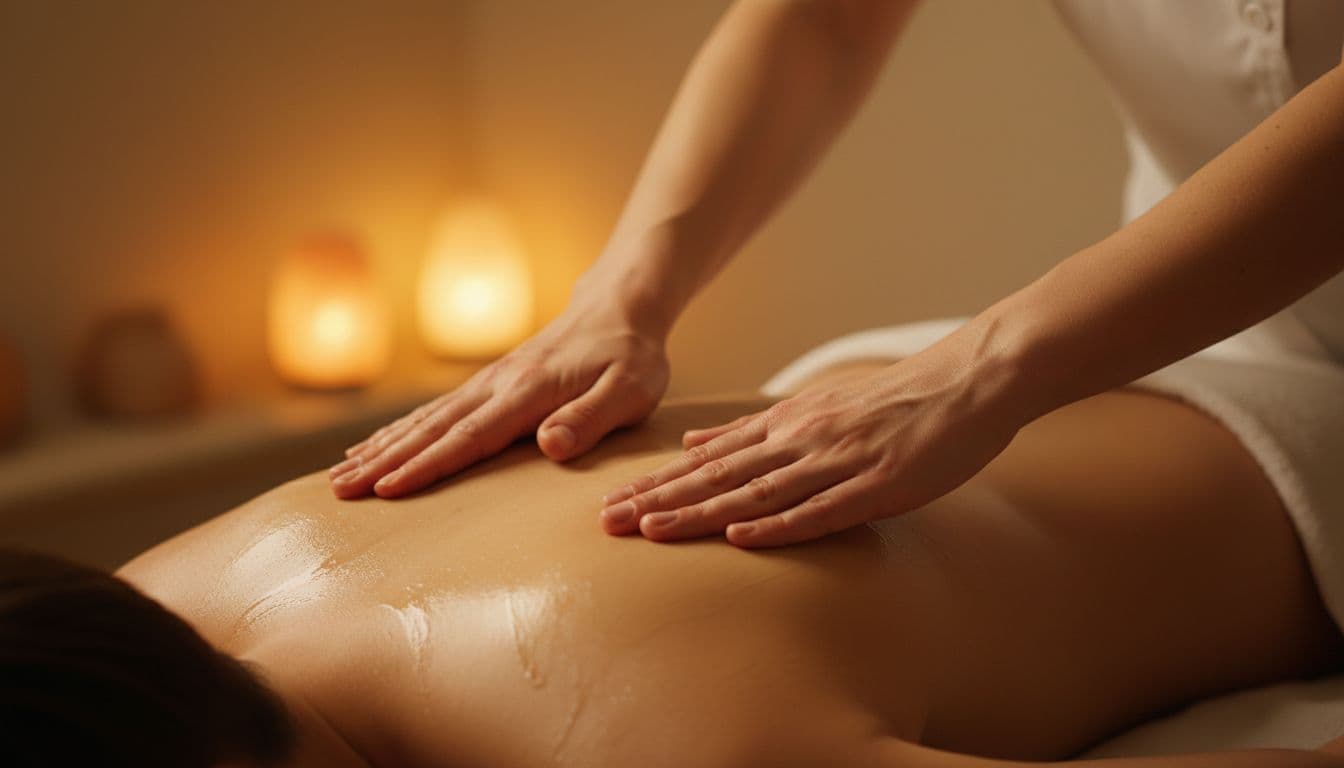
Most Swedish sessions are full-body, even if you came in with one main complaint. That full-body approach matters because tightness often “shares a wall” with other areas. For example, an overworked upper back can show up as neck tension or a heavy feeling in the arms.
Here’s what it tends to feel like on the table:
- Long strokes that warm up the muscles, like smoothing wrinkles from a sheet.
- Gentle to medium pressure that relaxes you without making you brace.
- Steady pace that makes it easier to breathe deeply and let go.
Swedish massage is a great starting point if you’re new to massage, nervous about pressure, or not sure how your body will react. It’s also a good fit when stress is your main issue and you want to leave feeling calm, loose, and grounded.
To get the most out of it, set one clear intention at the start. Try: “I want to relax, but please spend extra time on my shoulders and lower back.” That keeps the session soothing while still handling your problem spots.
Who should modify it? If you have very tender areas, recent strains, or you bruise easily, ask for lighter pressure and tell your therapist where you don’t want deep work. Comfort first. Your muscles release faster when you don’t fight the pressure.
Deep tissue massage: for stubborn knots and long-term tightness
Deep tissue massage is for areas that feel like they’ve been tight for months, not just a stressful week. The therapist works more slowly, sinks in with deeper pressure, and often stays focused on a few problem zones instead of doing a full-body “tour.”
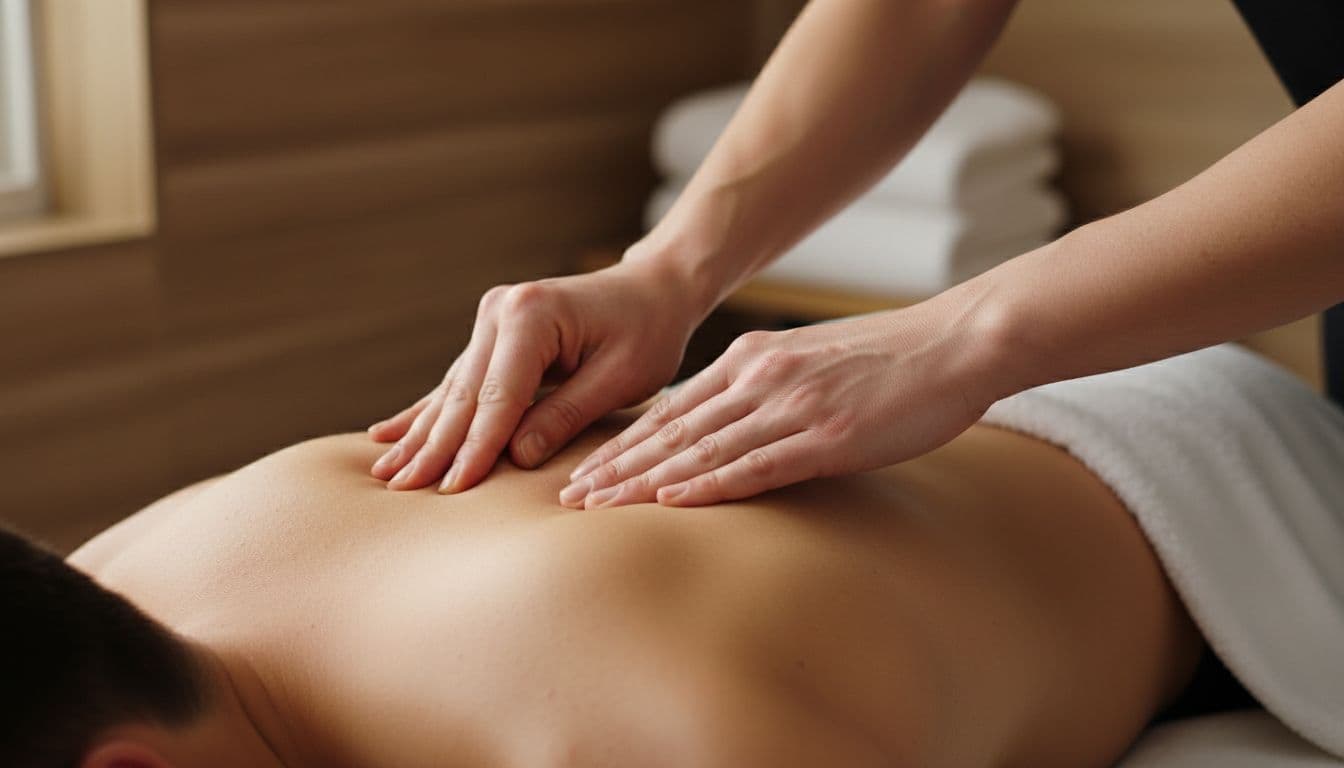
You’ll usually feel sustained pressure, small adjustments, and targeted work around knots and tight bands. Think of it like carefully untangling a necklace. Pull too hard and the knot tightens. Work slowly and it starts to give.
Communication is everything in deep tissue massage. Strong work can be helpful, but “more” is not always better. Use simple, real-time feedback:
- “That’s perfect.” (When it’s strong but you can breathe.)
- “A bit lighter.” (If you feel yourself tensing, clenching, or holding your breath.)
- “Stay there, that spot needs time.” (When it feels productive and controlled.)
- “That feels sharp.” (Sharp pain is a stop sign, not a goal.)
A common worry is soreness afterward. Mild next-day tenderness can be normal, especially if the area was very tight or the pressure was firm. It often feels like post-workout soreness, not an injury.
If you feel sore after deep work, keep it simple:
- Drink water over the next day.
- Do light movement, like an easy walk, so the area doesn’t stiffen up.
- Use heat if you feel tight (a warm shower helps).
- Add a gentle stretch if it feels good, not forced.
Who should avoid or modify deep tissue? If you’re very sensitive to pressure, dealing with a flare-up, or you know your body “guards” easily, ask for a medium-pressure session with focused work instead of maximum depth. Also, if you’re on blood thinners or bruise easily, bring it up before the massage so pressure can be adjusted.
Sports massage: for active bodies, training, and recovery days
Sports massage is for people who use their bodies hard, whether that’s running, lifting, cycling, or team sports. The goal is practical: help you move better, feel less restricted, and recover with fewer nagging aches.
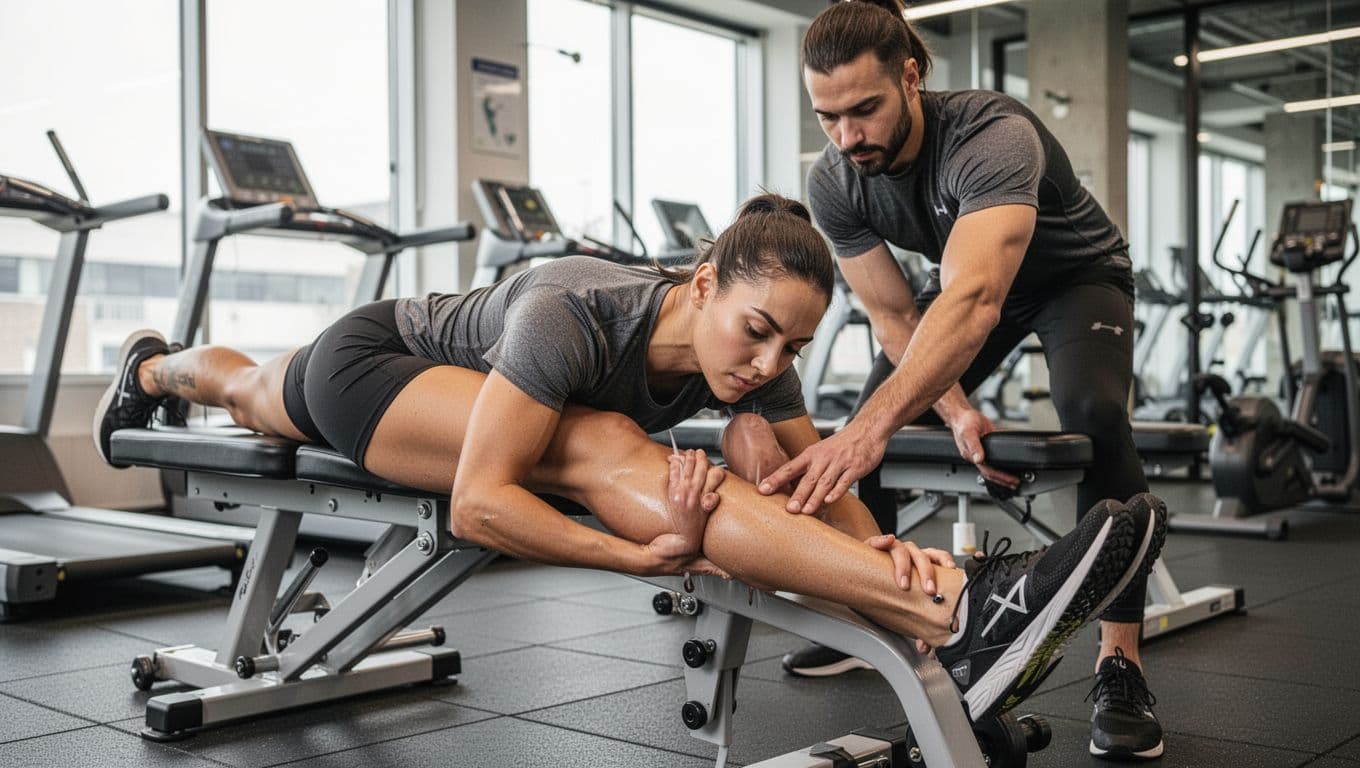
Sports massage often changes based on timing:
- Before an event: It’s usually quicker, lighter to medium, and more energizing. The therapist focuses on warming tissue and supporting mobility, not “digging out” deep knots.
- After an event: The work tends to be slower and more focused, aiming to ease soreness and calm overworked areas.
It’s also common for sports massage to target the spots your sport loads the most. For example, runners often need calf and hip work, while gym training can leave shoulders, chest, and upper back feeling tight. A good therapist will connect the dots between what you do and where you’re feeling it.
Expect a mix of techniques that may include firm pressure and specific work, plus movement-based elements to help range of motion. Still, firm should feel controlled, not like you’re getting jabbed. Sharp pain or a bruised feeling usually means the pressure is too much or the angle needs changing.
To dial in the session, tell your therapist two things:
- What you’re training for (or what you did this week).
- What feels limited (for example, “my calves cramp on long runs” or “my shoulders feel pinned after benching”).
Who should modify it? If you’re close to competition, avoid a first-time, very intense session the day before. Also, if something feels injured (swollen, hot, or sharply painful), keep the work gentle and focus on comfort, not intensity.
Prenatal massage: comfort and support during pregnancy
Prenatal massage focuses on comfort, circulation, and easing the aches that can build as your body changes. The approach is typically lighter, more supportive, and paced to help you relax without feeling overwhelmed.
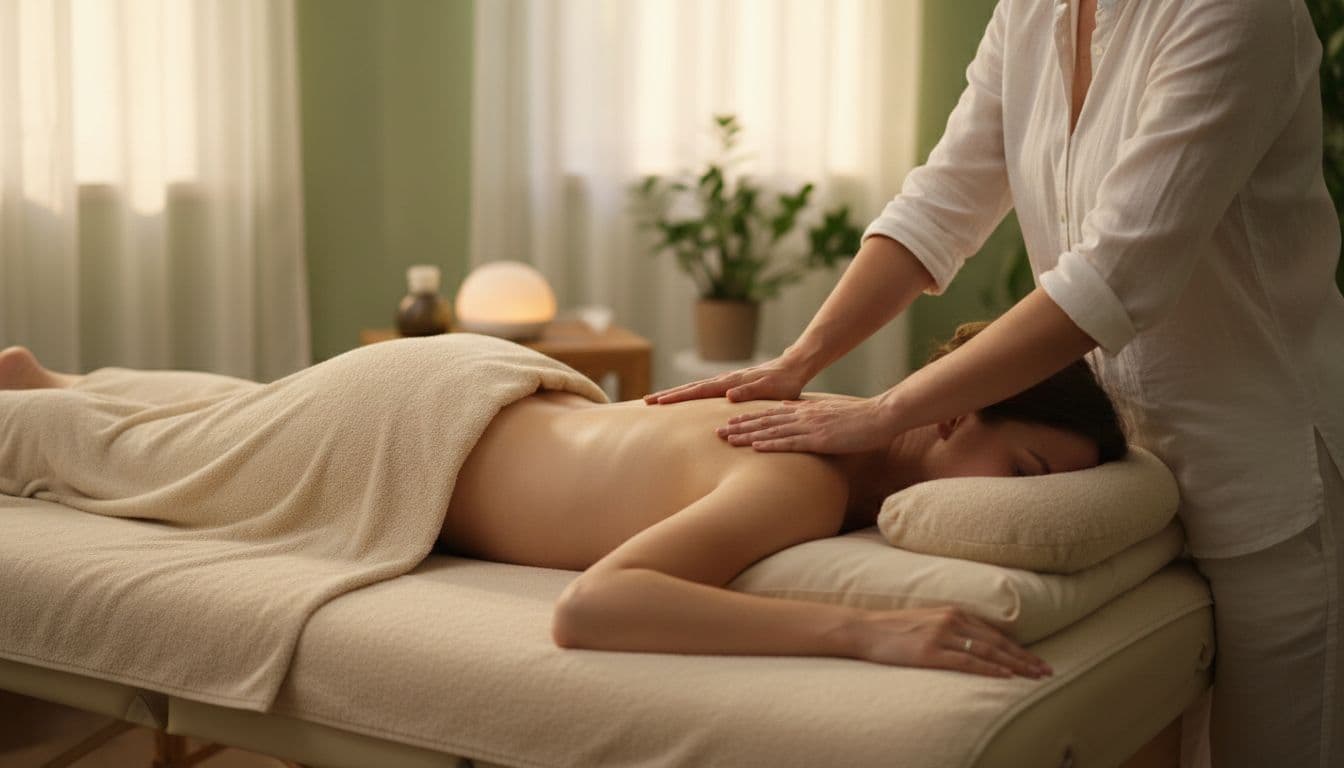
Positioning matters here. Many prenatal sessions use side-lying setup with pillows to support the belly, back, and knees. This takes pressure off the lower back and makes it easier to breathe comfortably. Some clinics also use special cushions, but the goal is the same: stable support and no strain.
Areas that often need extra care during pregnancy include:
- Low back (because posture shifts as the bump grows)
- Hips and glutes (common “loaded” areas that can feel sore)
- Legs and feet (because they can feel heavy and tired)
Safety comes first. Choose a therapist trained in prenatal work, because pregnancy changes what’s appropriate for pressure and positioning. Also keep these simple guidelines in mind:
- Get clearance if your pregnancy is high-risk or you’ve been advised to avoid massage.
- Avoid strong pressure on the abdomen.
- Speak up right away if anything feels dizzy, sharp, or uncomfortable.
Prenatal massage should feel nurturing, not intense. The best session leaves you feeling supported, looser in the hips and back, and calmer in your breathing.
What to expect before, during, and after a massage session
A good massage session feels simple on the surface, you show up, get on the table, and relax. Still, first-timers often feel unsure about the details. What do you wear? Do you talk? What if the pressure hurts? Knowing the flow ahead of time takes the edge off, so your body can settle faster.
Most appointments follow the same rhythm: a short intake chat, privacy to get comfortable on the table, draping that keeps you covered, and steady check-ins so the therapist can adjust pressure and focus. Then you’ll finish with a few aftercare basics to help the results last.
How to prepare so you get the most from your massage
A massage works best when you’re not rushing. Try to arrive 10 to 15 minutes early so you can use the restroom, fill out any forms, and start calming down before the session starts. If you slide in stressed and late, your muscles often stay guarded longer.

Keep hydration normal, not extreme. Drink water like you usually do during the day, and have a few sips before and after if you’re thirsty. Overdoing it can backfire because you’ll spend half the session thinking about your bladder.
Food matters too. A light meal 1 to 2 hours before is usually perfect. If you show up very hungry, you might struggle to relax. On the other hand, a heavy meal can make lying face down feel uncomfortable.
If you can, take a quick shower beforehand. It helps you feel fresh, and it can make it easier to relax when you’re on the table. Still, don’t skip the appointment if a shower isn’t possible. Therapists expect real life.
Before you get on the table, you’ll usually do a short intake. This is where you’ll get the safest, most effective session by being direct. Share:
- Your main goal: relaxation, headache relief, shoulder tension, post-workout recovery, better sleep, or help with a specific tight area.
- Your pain points: where it hurts, what movements trigger it, and what “bad pain” feels like for you (sharp, burning, tingling, catching).
- What to disclose for safety: recent injuries, surgeries, pregnancy, high blood pressure, blood clots, and any meds that change bleeding and bruising (for example blood thinners).
- Skin issues: rashes, open cuts, infections, sunburn, or anything contagious. Also mention allergies or sensitivities to oils or scents.
A simple goal-setting script can help if you feel awkward:
- “Today I want to relax, but I also want you to focus on my neck and shoulders.”
- “My right shoulder has been tight for months. I’d like targeted work there, with medium pressure.”
- “I’m sore from training, so I want recovery work, not deep digging.”
Finally, remember this: you only undress to your comfort level. Many people remove everything except underwear, but you can also keep shorts on, keep a bra on, or stay fully clothed for certain styles. Your therapist can adapt the session either way.
Communication is everything: how to talk about pressure, pain, and comfort
Silence isn’t required during a massage. You can relax and still speak up when you need something. In fact, the best sessions feel like teamwork: you give clear feedback, and the therapist adjusts so your body softens instead of fighting.
One of the biggest sources of anxiety is draping and privacy, especially for your first appointment. Here’s what typically happens:
- The therapist leaves the room so you can get on the table in private.
- You’ll lie under a sheet or towel, with only the area being worked on exposed.
- If the therapist works on your glutes or hips, they should keep draping secure and professional, and they can explain what they’re doing first.
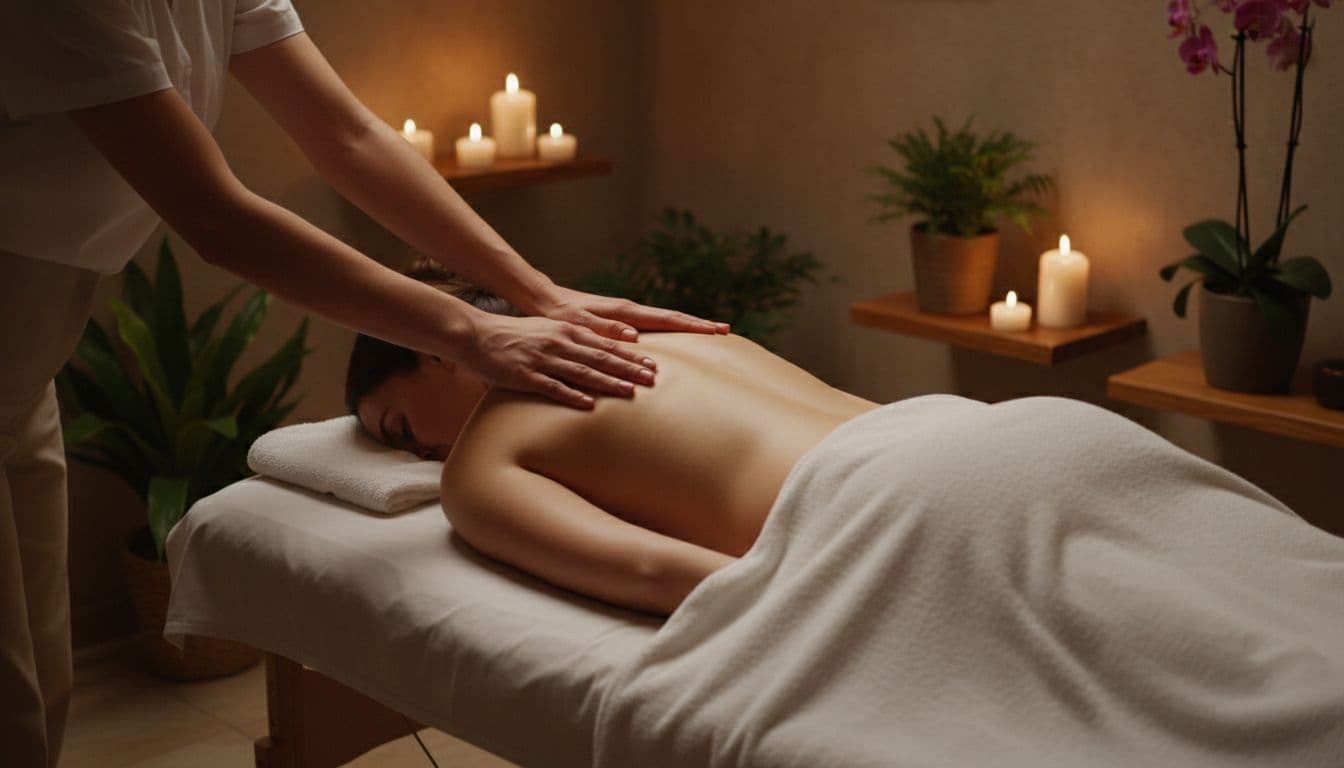
You might also notice oil or lotion. Therapists use it to reduce friction, so strokes feel smooth instead of “draggy.” If you don’t like the feel or scent, say so. Unscented options are common, and a therapist can often use less product.
Pressure is the next big topic. A simple tool that makes feedback easy is the 0 to 10 pressure scale:
- 0 to 2: barely there, mostly soothing touch.
- 3 to 5: light to medium, great for relaxation and sensitive areas.
- 6 to 7: firm but controlled, often the “sweet spot” for tight muscles.
- 8 to 10: too intense for most people, and more likely to cause guarding or bruising.
Most effective work lives around a 5 to 7. It should feel strong, but you should still breathe slowly. If your body tenses, the pressure is no longer helping.
Bruising is not the goal. If you leave with bruises, the pressure was likely too much, or your body needed a different approach.
Use plain language in the moment. Try phrases like:
- “That is too much, can you go lighter?”
- “That’s sharp, please back off a bit.”
- “That pressure is perfect, stay right there.”
- “Please stay on my right shoulder longer.”
- “Can you avoid my lower back today? It feels irritated.”
Comfort is bigger than pressure. You can ask for changes to temperature, music, face cradle height, or bolsters under your knees. Here’s a short script you can borrow anytime:
- “Could you adjust the pressure to medium?”
- “I’m getting cold, can we add a blanket?”
- “Can you turn the music down a little?”
- “My neck feels strained in the face cradle, can we adjust it?”
- “Can we spend more time on my calves and less on my arms?”
If anything feels wrong or unsafe, you can end the session. You don’t need a long explanation. Your comfort sets the rules.
Aftercare that actually helps: soreness, hydration, movement, and rest
After a massage, most people feel relaxed, loose, and a little “floaty.” Some feel energized instead. Mild next-day soreness can also happen, especially after deep work or if the area was very tight. Think of it like the tenderness after a good stretch session or a light workout.

A few things are not normal, and they’re worth paying attention to. Contact a clinician if you have strong or worsening pain, new numbness or tingling, shortness of breath, or dizziness that doesn’t pass after resting and drinking water. Also pause if you feel sick, feverish, or unusually weak afterward.
For most people, simple aftercare helps the session “stick” instead of fading fast. Here’s an easy 24-hour plan:
- Drink water when you’re thirsty. Aim for steady sipping, not chugging.
- Take a gentle walk (10 to 20 minutes) to keep the area from stiffening.
- Shower warm if you feel tight or guarded. Heat helps muscles relax.
- Skip heavy workouts if you’re very sore. Choose mobility work or light cardio instead.
- Go to bed on time if you can. Recovery is where the benefits add up.
Heat versus ice can be confusing, so keep it plain:
- Use heat when you feel tight, stiff, or cramped, or when a spot feels “stuck.” A warm shower or heating pad is enough.
- Use ice when something feels hot, swollen, or freshly irritated (for example, a recent flare-up or a tender spot that feels inflamed). Keep it short, about 10 to 15 minutes with a cloth barrier.
If you get post-massage soreness, don’t panic and don’t punish the spot. Gentle movement and warmth usually solve it faster than aggressive stretching.
How often should you get a massage, based on your lifestyle
Massage frequency depends on your goal, your body, and your budget. Consistency matters more than a perfect schedule because your nervous system and muscles respond to patterns. One great session followed by six months of nothing often turns into a repeat cycle of “tight again.”
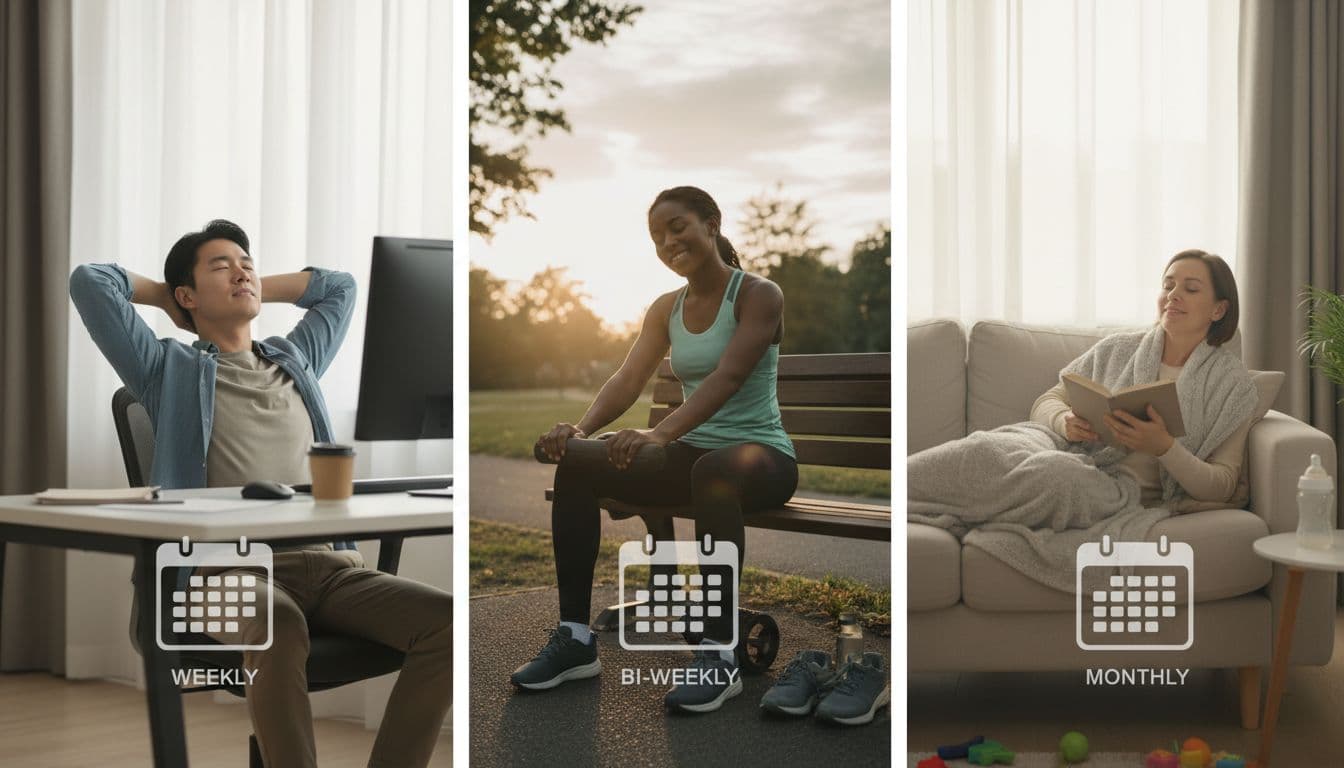
Here are common schedules that fit real life:
- Occasional stress relief (about monthly): Great if your main goal is relaxation, better sleep, and a regular reset. This also works well if you don’t have a specific pain issue.
- Chronic tightness or recurring knots (every 1 to 2 weeks at first): Tight areas often need a few sessions close together to calm down. After that, many people switch to every 3 to 4 weeks for maintenance.
- Athletes and active training blocks (around training cycles): Book lighter work before big events, then recovery-focused sessions after hard weeks. Timing matters more than frequency here.
- Desk workers with neck and shoulder tension (every 2 to 4 weeks): Regular work helps undo the slow build from sitting, screens, and stress. Combine it with simple stretches and movement breaks.
A practical way to decide is to ask yourself two questions: how fast do symptoms return, and what can you sustain? If tightness comes back in a week, a monthly session may feel like starting over each time.
When should you book the next one? If the session helped and you want momentum, schedule the next appointment before you leave while the calendar is open. Otherwise, note how you feel over the next 3 to 7 days. If you feel better for a week, a 2 to 4-week rhythm often fits. If relief lasts only a day or two, more frequent sessions at the start can help you get ahead of it.
Staying safe and finding a therapist you trust
A good massage should leave you feeling cared for, not worried. Safety is mostly about timing (is today a good day for bodywork?) and trust (is this the right therapist for you?). When you get both right, massage becomes a steady support for stress, soreness, and everyday tightness.
Think of it like choosing a mechanic for your body. You want skill, honesty, and clear boundaries, so you can relax fully and let the work do its job.
Simple safety checklist: when to avoid massage or get medical advice first
Some days, the smartest move is to postpone. Massage can increase circulation and stimulate the nervous system, which is great when you are well. However, it can add strain when your body is fighting illness or healing.

Use this simple checklist before you book, or before you walk in the door. If any item fits, reschedule or get medical advice first.
- Fever or flu-like symptoms: If you feel hot, achy, chilled, or wiped out, rest instead. You will get more benefit when you are well again.
- Contagious illness (cold, stomach bug): Even if you feel “okay,” you can still spread it. Protect other clients and your therapist.
- Skin infection or contagious rash: Ringworm, impetigo, and similar conditions can spread through contact. Wait until it clears, or get your clinician’s guidance.
- Open wounds, fresh burns, or severe sunburn: Massage near damaged skin can hurt and slow healing. In addition, some products can sting.
- Uncontrolled high blood pressure: If your readings run high and you are not stable on treatment, ask your doctor first. If it’s controlled, tell your therapist anyway.
- Recent surgery without clearance: Your body may still be healing internally. Get the green light from your surgeon, and ask for a modified session.
- History of blood clots (DVT) or clotting disorders: Avoid deep work on limbs unless your clinician approves it. Sudden leg pain, warmth, or redness needs urgent medical care.
- Unexplained swelling (especially one-sided): Swelling has many causes, and some need quick attention. Massage is not the place to guess.
- Severe osteoporosis or fragile bones: Firm pressure can be risky. If you have bone loss, ask for gentle work and share any fracture history.
- Active cancer treatment unless approved: Many people can still receive massage, but it should be coordinated with the care team. Treatment side effects can change what is safe.
A good rule: if you would skip the gym because you feel unwell, you should usually skip massage too. When in doubt, book a lighter session later, or call your clinician and ask.
Your therapist should welcome health questions. If someone pressures you to proceed when you feel unwell, choose a different provider.
How to choose a great massage therapist (skills, style, and professionalism)
The right therapist makes you feel safe within minutes, because the process feels clear and respectful. Skill matters, but so does how they communicate, set boundaries, and respond to your feedback.
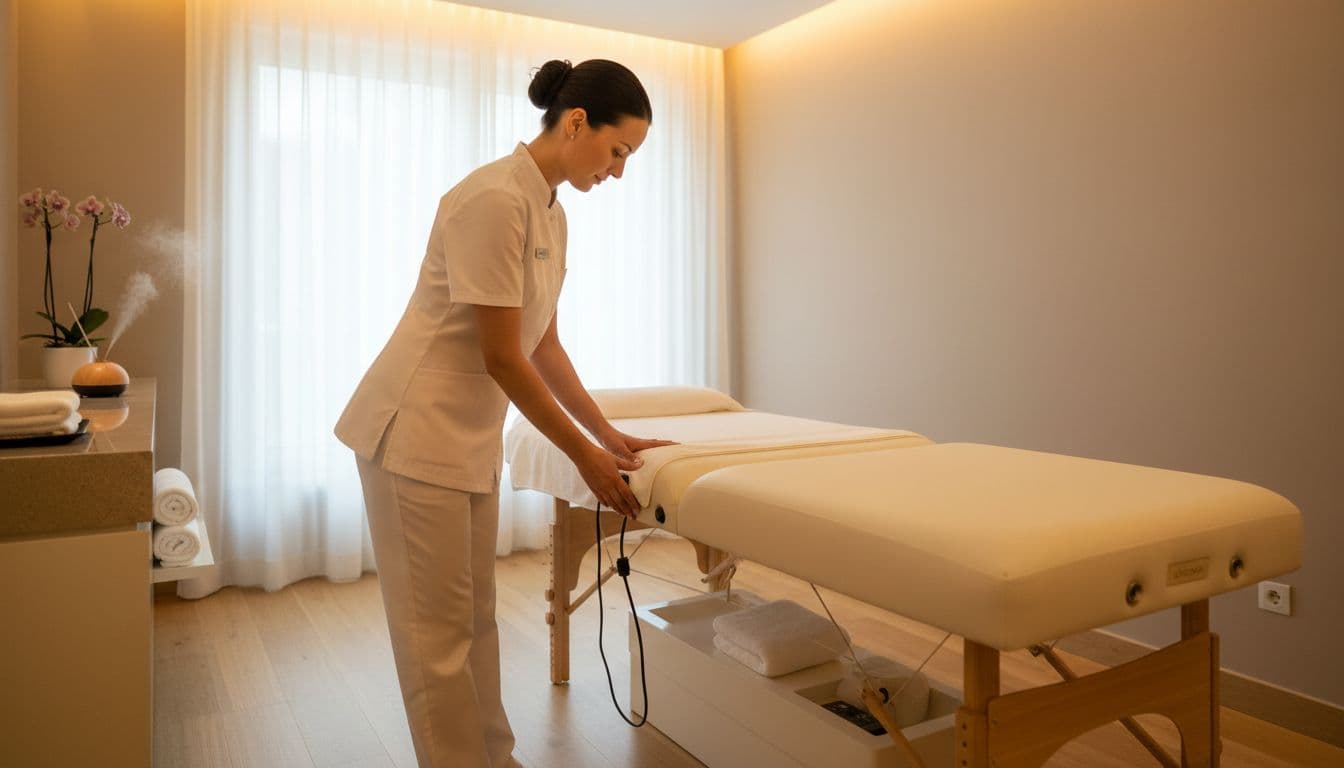
Start with the basics, because they protect you.
- Licensing or certification (where required): Ask what credentials they hold and where they trained. In places with licensing rules, verify they are current.
- Experience with your goal: Relaxation and sports recovery can look very different. If you want headache relief, for example, ask if they often work with neck and jaw tension.
- A clean, professional space: Fresh linens, clean hands, and a tidy room are non-negotiable. The space does not need to be fancy, it needs to be hygienic.
- Consent and draping that stays secure: They should explain what area they will work on, then keep you properly covered. Exposure should be limited to the area being treated.
- No hard selling: Helpful therapists may suggest a plan, but they do not guilt you into packages or add-ons. You should feel free to say “not today.”
Next, look for signs of a solid intake process. This is where quality shows up early, because good massage starts before hands touch skin.
A professional intake usually includes:
- A quick health history (injuries, surgery, medications, pregnancy, blood pressure, clot history).
- Your main goal for today (sleep, stress, low-back tightness, recovery).
- Your preferences (pressure level, quiet or chatty, areas to avoid).
- A clear plan (what they will focus on, and what to expect afterward).
If the intake feels rushed, steer it back with a simple statement: “My main goal is X, and I need you to avoid Y.” A good therapist adjusts right away.
Finally, check fit. Massage is personal, and style matters. Before booking, read reviews and look for patterns, not perfection. Then ask one direct question: “What techniques do you typically use for my main issue?” You are listening for a clear answer, such as Swedish, deep tissue, trigger point work, or sports massage, plus how they decide pressure.
Getting long-term results: small daily habits that keep your body loose
Massage can feel like hitting a reset button, but daily habits keep the reset from fading fast. Think of a session as loosening a knot in a rope. If you pull the rope the same way every day, the knot returns. If you change the pull, the rope stays smoother.

Here are small, realistic habits that protect your results between appointments:
- Short stretch breaks (2 to 3 minutes): Do them during work or after driving. Frequent, gentle movement helps muscles stay pliable, so your next massage does not start from “zero.”
- Posture resets: A simple reset (feet grounded, ribs stacked over hips, shoulders relaxed) reduces the slow strain that creates neck and upper-back tightness. As a result, massage lasts longer.
- Gentle foam rolling: Keep it mild and slow, especially on thighs, glutes, and upper back. This helps tissues glide and can reduce that stiff, stuck feeling without needing deep pressure daily.
- Sleep you can count on: Your body repairs itself at night. Better sleep also lowers pain sensitivity, so massage feels more comfortable and effective.
- Steady hydration: Hydration supports circulation and tissue comfort. You do not need to overdo it, just drink consistently through the day.
- Simple strength for upper back and glutes: Rows, band pull-aparts, bridges, and squats help you hold better posture with less effort. Strong support muscles mean your tight spots stop working overtime.
- Stress management and breathing: Slow breathing (even 4 slow breaths) helps downshift your nervous system. When your stress load drops, your muscles stop bracing, so massage becomes easier to maintain.
If you pick only two, choose movement breaks and sleep. Those two make almost every other massage benefit easier to keep.
Conclusion
Massage works on both sides of the stress and pain loop, it helps tight muscles and fascia soften, and it also signals your nervous system to calm down. As a result, many people feel looser, breathe easier, and sleep better, especially when sessions are consistent and pressure stays in that helpful middle range.
Choosing the right massage gets easier when you start with one clear goal. Swedish massage fits relaxation and first-timers, deep tissue suits stubborn knots when you can handle slower, firmer work, sports massage supports training and recovery, and prenatal massage focuses on comfort with safe positioning. Most importantly, the best style is the one that matches what your body needs today, not what sounds toughest.
During a session, expect a short intake, professional draping, and ongoing check-ins. Speak up early about pressure, sore spots, and anything that feels sharp, because comfort helps your body release faster.
Safety matters, so postpone if you’re sick, healing, bruising easily, or dealing with numbness, swelling, or sudden sharp pain. Now pick one goal (relaxation, pain relief, or recovery), book with a qualified therapist, and communicate clearly from the first minute. Then track how you feel for the next 24 to 48 hours, so you learn what pressure, timing, and frequency work best for you.