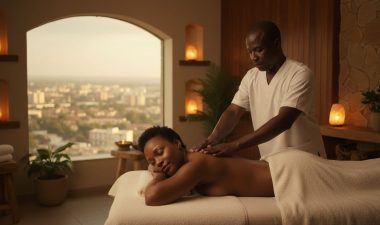
If stress has been sitting on your shoulders all week, or your neck feels tight after hours at a desk, you’re not alone. Poor sleep and nagging aches can turn even simple days into a grind. That’s why Benefits Of Massage are about more than “treating yourself”, they can support how you feel and function day to day.
Massage therapy is hands-on work that focuses on muscles and other soft tissue (like tendons and fascia). A trained therapist uses pressure, kneading, and stretching to help areas that feel tense, sore, or stuck. As a result, many people notice their body relaxes, their breathing slows, and their mind feels less busy.
In this guide, you’ll learn how massage can help with stress relief, pain support, and better sleep, plus why it often lifts mood. You’ll also see how improved circulation and looser muscles can make movement feel easier, especially if you deal with stiffness from sitting, workouts, or long commutes. These effects aren’t “all in your head”, research has linked massage to lower stress signals, reduced pain in many conditions, and better sleep for some people.
Still, results vary. Your stress level, health history, and even hydration can change how you feel after a session. One massage can help, but regular sessions usually work better than a one-off, especially for ongoing tension or chronic soreness.
Real, research-backed benefits of massage (and why they happen)
The Benefits Of Massage can feel almost instant, yet there are solid reasons behind them. When skilled touch loosens tight tissue and your breathing slows, your nervous system often follows. That shift can change how you handle stress, how you move, and even how well you sleep.
Research in recent years keeps pointing to the same pattern: massage tends to work best when it helps your body move out of “high alert” and into “safe enough to recover.” Effects vary person to person, but studies often report the strongest, most lasting results when sessions are repeated over several weeks, not just done once.
Think of massage as a “reset signal” for your body: less guarding, less tension, more room to breathe and move.
Less stress and anxiety, because your body shifts into calm mode
Stress has a body setting. In “fight-or-flight,” your system acts like there’s a threat nearby. Your heart rate can rise, breathing gets shallow, and muscles brace, even if the only “danger” is an inbox or traffic. On the other side is “rest-and-digest,” where your body feels safe enough to slow down, soften muscle tone, and focus on repair.
Massage encourages that calmer setting in a few simple ways. Steady pressure and a supportive environment reduce the sense of “brace and protect.” At the same time, your breathing often becomes deeper without you forcing it. Once that happens, thoughts can stop sprinting, because your body is no longer sending panic signals upstairs.
Common stress signs that massage can ease include:
- Tight shoulders that sit up near your ears.
- A stiff neck and a jaw that feels clenched by mid-day.
- Shallow, upper-chest breathing that makes you feel wired.
- A racing mind that keeps replaying the same worries.
Research trends from recent reviews and clinical studies often show changes in stress markers after massage, including lower cortisol (a key stress hormone) and improvements in mood scores. Not every study finds the same size effect, but the overall direction is consistent: many people feel calmer after sessions, and repeated sessions tend to build on that calm.
A quick way to boost the effect is to make the session feel safer to your nervous system. Choose a quiet room, let your therapist know you want gentle-to-moderate pressure, and pair it with slow nasal breathing. Even a simple rhythm helps, inhale for 4 counts, exhale for 6. Longer exhales tell your body, “You can stand down now.”
Pain relief and easier movement for sore, tight muscles
Pain often starts as protection. When your body thinks a spot is at risk, it tightens muscles, limits movement, and raises sensitivity. That’s helpful for a short time, like after a hard workout. It’s not so helpful when tension sticks around for weeks.
Massage can support pain relief by reducing muscle tightness and improving how tissues glide. When knots and trigger points calm down, joints often move with less resistance. Better circulation in the area can also support recovery by bringing oxygen and nutrients to tired muscle.
People commonly seek massage support for:
- Tension headaches linked to tight neck, jaw, and upper back muscles.
- Low back soreness from sitting, lifting, or long commutes.
- Stiff neck that makes turning your head feel restricted.
- Muscle knots in shoulders, calves, and hips after training or stress.
One reason massage may help is that it changes the “noise level” coming from sore tissues. Pressure and slow strokes can lower the sense of threat and reduce guarding, so movement becomes easier. In addition, gentle stretching during a session can increase range of motion, especially when tightness is the main limiter.
For chronic pain, the goal is often progress, not perfection. Recent evidence summaries (including large overviews of many massage reviews) suggest massage can reduce pain in several conditions, such as some types of back pain and fibromyalgia, although certainty ranges from low to moderate and results vary. The practical takeaway is that massage may support a longer plan by helping you move more, sleep better, and stay consistent with rehab or exercise.
Still, keep expectations realistic. Massage is supportive care, not a cure for every pain. If pain is severe, sudden, or paired with symptoms like numbness, weakness, fever, or unexplained swelling, get checked by a clinician first. Also tell your therapist about injuries, medical conditions, and medications so pressure and technique stay appropriate.
Better sleep quality when your body can fully relax
Sleep and stress can trap you in a loop. When you’re stressed, your body stays alert, so you wake more easily. When you sleep poorly, your stress response runs hotter the next day. Pain adds another layer, because soreness can make it hard to find a comfortable position, and small discomforts can feel louder at 2 a.m.
Massage helps many people sleep better because it turns down that alertness. As muscles loosen and breathing slows, your system can shift toward recovery mode. That makes it easier to fall asleep, and for some people, it reduces night wakings. Even when massage doesn’t “knock you out,” it can make sleep feel deeper and more refreshing.
A few practical moves can make the sleep benefit more likely:
- Book earlier if night sessions energize you. Some people feel calm after massage, others feel refreshed and awake. If you get a “second wind,” try late afternoon instead.
- Hydrate after your session. It supports circulation and can reduce that dry, headachy feeling some people get later.
- Keep the evening calm. Dim lights, lighter meals, and less scrolling help your nervous system stay in the same relaxed lane.
Consistency often matters here. People dealing with insomnia symptoms may see better results with repeated sessions over several weeks, especially when massage becomes part of a broader wind-down routine. If you already use sleep basics like a steady bedtime, a cool room, and less caffeine late in the day, massage can fit neatly into that plan.
Improved mood and mental clarity you can feel the same day
Mood is not just a “mind” issue, it’s also physical. When your shoulders are tense, your jaw is tight, and your breathing is shallow, your brain reads that as stress. Massage can flip that message. Comforting touch, reduced muscle tension, and a quieter nervous system often leave you feeling lighter and less reactive.
Many people notice a shift in attitude after a session. Irritation fades faster, small problems feel manageable again, and focus improves. Research summaries in recent years also link massage with improvements in mood measures and increases in “feel-good” chemicals such as serotonin and dopamine in some study designs. The exact mechanism differs by person, but the lived experience is common: when the body softens, the mind follows.
Here’s what you might notice in simple, everyday terms. Your breathing may feel slower and lower in your belly. Your jaw can sit looser without you thinking about it. Shoulders often stop creeping upward, and your neck feels longer. For some people, thoughts feel less sticky, so concentration comes back naturally.
If you want to keep that clarity after you leave the table, do one small thing on purpose. Give yourself ten quiet minutes before jumping back into calls or errands. That buffer helps your nervous system keep the calm signal, instead of snapping back to “go mode” the moment life gets loud.
Choosing the right massage for your goal: what to book and what to expect
The best massage is the one that matches your goal today. Some days you want your mind to quiet down. Other days you want help with a stubborn knot, a tight lower back, or legs that feel heavy after training. Once you know what you’re trying to get from the session, booking becomes simpler, and the Benefits Of Massage show up faster because the therapist can work with a clear plan.
Before you pick a style, decide on three things: your main goal (relaxation, pain support, sleep, recovery), your pressure comfort (light, medium, firm), and your time window (30, 60, or 90 minutes). A 60-minute session usually covers a full body with light focus. If you want targeted work on two problem areas, 75 to 90 minutes often feels less rushed.
Swedish vs deep tissue: which one is better for relaxation or pain?
Swedish massage is your go-to when you want to exhale and feel your body soften. The therapist uses long, smooth strokes and gentle kneading, often with light to medium pressure. It’s great for stress relief because it helps your nervous system shift out of “on alert” mode. Many people also like it for sleep support, since it tends to feel calming from start to finish.
Deep tissue massage is more focused. The therapist works slower, stays longer on tight areas, and uses firmer pressure to reach deeper layers of muscle and connective tissue. It’s a solid pick when you’re dealing with chronic tension (like a locked-up neck, tight hips, or a persistent shoulder knot) or when you want help with pain patterns that keep coming back. It can feel intense, but intensity is not the goal.
Here’s the key point: “deep” should not mean unbearable pain. Pain makes your body guard. Guarding keeps muscles tight, which works against what you came in for. A useful rule is the “good hurt” line: you can feel strong pressure, but you can still breathe smoothly and your body stays relaxed on the table.
To make the choice easier, think of it like sound levels:
- Swedish is like turning the volume down across your whole body.
- Deep tissue is like tuning a few problem instruments until the noise stops.
A quick, practical guide for pressure and communication helps a lot, especially if you’re new:
- Start one level lighter than you think you need. You can always increase pressure after your body warms up.
- Use clear words, not hints. Try: “That’s a bit sharp,” or “Same pressure but a smaller area.”
- Give feedback early. The first 5 to 10 minutes set the tone.
- Ask for a scale. Many therapists use a 1 to 10 comfort scale, and aim around a 5 to 7 for deep work.
- Speak up if you feel tingling, burning, or numbness. That’s different from normal pressure and needs adjusting.
A great massage feels “worked” but not “wounded.” If you brace or hold your breath, it’s too much.
Also, be honest about what you want that day. If you booked deep tissue for pain support but you’re stressed and exhausted, tell your therapist. A mixed approach (relaxation first, deeper focus later) often gives the best of both.
Hot stone and aromatherapy: when heat and scent add extra comfort
Hot stone massage adds warmth to the session, usually by placing smooth heated stones on key areas (like the back) and sometimes using them during the massage strokes. Heat helps muscles loosen because warmth increases local circulation and makes tissue feel more pliable. In simple terms, it’s like warming up taffy before stretching it. When your muscles soften sooner, the therapist may not need as much pressure to get the same release.
This style is a good match if you:
- Feel stiff and “stuck,” especially in the back, shoulders, or hips.
- Want deep relaxation without deep pressure.
- Tend to feel cold or tense at the start of a session.
Aromatherapy massage uses essential oils (often diluted into a carrier oil or lotion). The scent can set a calmer mood, and many people find it easier to relax when the room smells soothing. Lavender is a common choice for calm, while citrus scents can feel uplifting. The big benefit is the emotional shift: when your mind settles, your body often follows.
Still, scent and oils are personal. What relaxes one person can overwhelm another, so it’s smart to treat aromatherapy as an add-on, not a must-have.
Safety matters here, and a quick chat at check-in prevents problems later. Mention the following before oils or strong scents are used:
- Allergies or sensitive skin: Even diluted oils can irritate some skin types. Ask for a patch test or unscented options.
- Asthma or scent sensitivity: Strong aromas can trigger coughing, headaches, or tight breathing.
- Pregnancy: Some essential oils are not recommended during pregnancy, especially in the first trimester. Your therapist can adjust, use very mild options, or skip scent entirely.
- Heat sensitivity or certain medical conditions: If you have circulation issues, nerve sensitivity, or inflammatory flare-ups, heat may need limits.
If you’re unsure, keep it simple: request light scent (or none) and warm, not hot stones. Comfort should feel steady, not intense.
Couples massage and spa packages: benefits beyond the massage itself
A couples massage is not only about romance. It’s about shared calm, the kind you can both feel without talking. You’re in the same room, each with your own therapist, and you relax at the same time. For many people, that shared experience makes it easier to stick with self-care because it turns massage into something you plan together, not something you squeeze in “someday.”
The benefits go beyond the table:
- Shared downshift: When you both leave relaxed, the rest of the day often stays smoother.
- Connection without effort: You don’t have to make conversation. You just get quiet time together.
- Accountability: It’s easier to book again when it’s a joint plan.
Spa packages can add an extra layer of reset, especially if your stress has been building for weeks. Packages often combine massage with body treatments (like scrubs or wraps) or a facial. The big win is that your body gets time to fully shift gears. Instead of rushing back into the day right after your massage, you get a longer recovery window.
First-timers usually worry about “doing it wrong.” You won’t, but these tips help you feel confident:
- Expect a quiet room. Couples sessions often keep talking to a minimum so both people can relax.
- You can want different things. One person can choose gentle relaxation while the other prefers firm pressure.
- Speak up separately. Your therapist needs your feedback, even if your partner stays quiet.
- You don’t have to sync preferences. Different pressure, different focus areas, and different comfort levels are normal.
If you’re using a couples massage as a way to manage stress, consider booking it at a time when you can go home afterward. A calm evening extends the effect.
What happens in a session from check-in to aftercare
Knowing the flow helps you relax because nothing feels like a surprise. Most sessions follow a simple pattern, even when the massage style changes.
Check-in usually starts with a few health questions. You might be asked about injuries, areas of pain, recent workouts, pregnancy, surgeries, allergies, and any conditions that affect pressure (like easy bruising or sensitivity). This is also when you share your goal in one sentence, for example: “I want to relax,” or “My neck and shoulders keep tightening up,” or “My lower back feels sore after sitting.”
Next comes the plan. A therapist may ask:
- Where do you feel tension most often?
- Do you want a full-body massage or focused work?
- What pressure feels best today (light, medium, firm)?
- Are there any areas to avoid?
Then you’ll get privacy to change and get on the table. Most spas use draping (a sheet or towel) so only the area being worked on is uncovered. You can usually keep underwear on, and you can ask about any comfort preference before the therapist begins. If something feels awkward, say so. Good therapists want you to feel safe and at ease.
During the massage, feedback is welcome. You’re not being “difficult” by asking for changes. In fact, you help the therapist help you. Useful feedback sounds like:
- “A little less pressure on the left side.”
- “Can you spend more time on my upper back?”
- “That spot feels tender, can you go slower?”
- “Please avoid my ankles, they’re sensitive.”
Session length shapes what’s possible. A 30-minute massage usually targets one area (like neck and shoulders). A 60-minute session can do full body with light focus. A 90-minute session allows deeper work and more time on problem areas without rushing.
After the session, the goal is to keep the benefits instead of shocking your body back into “go mode.” Simple aftercare makes a difference:
- Drink water over the next few hours, especially after deeper work.
- Move gently (a short walk or light stretching) if you feel stiff.
- Skip heavy workouts right away if you’re sore, then train the next day if you feel good.
- Use heat or a warm shower if your muscles feel tight later, unless you’re inflamed or swollen.
- Expect normal tenderness after deep tissue, especially if you asked for firm, targeted work.
If you feel sore, think “recovery day,” not “push through.” Your body just did work, even if you were lying still.
One last tip: track what worked. Make a quick note on your phone after you leave. Record the pressure you liked, the areas that needed more time, and how you slept that night. That tiny habit helps your next session feel customized from the first minute.
How to get the most out of massage, and when to be careful
Massage works best when you treat it like part of a routine, not a one-time rescue. The session matters, but what you do before and after also shapes how your body responds. When you pair good timing with simple habits (water, light movement, better sleep), the Benefits Of Massage tend to last longer and feel more consistent.
Just as important, safety should feel straightforward. Most people can enjoy massage with no issues, yet a few health situations call for caution, a lighter approach, or a quick check-in with a clinician first.
How often should you get a massage to feel real results?
Frequency depends on what you are trying to change. A single session can relax you fast, but repeated sessions usually help your body “learn” that relaxed state. Recent market and wellness trend reports keep pointing to the same real-life pattern: people get stronger, longer-lasting results when massage becomes a regular habit, especially for stress and ongoing tightness (even when exact “best frequency” varies person to person).
Here are simple ranges that work well for most people:
- High stress or chronic tightness: Book weekly or every two weeks for a short period (for example, a month or two). This gives your body enough repetition to reduce guarding, soften stubborn knots, and improve day-to-day comfort. After that, many people shift to every 3 to 4 weeks for maintenance.
- General wellness and prevention: Aim for monthly sessions. This is a realistic rhythm for keeping tension from stacking up, especially if you sit a lot, travel, or carry stress in your neck and shoulders.
- Occasional soreness (workouts, long drives, “slept wrong”): Go as needed. A single session may be enough, then you return when the next flare-up hits.
A practical way to personalize it is to track your response, not just how you feel on the table. Right after a massage, you might feel amazing, but the real test is what happens next.
Try this simple check-in for the 48 hours after each session:
- Pain and tightness: Did the main problem area feel looser, the same, or worse?
- Sleep: Did you fall asleep faster or stay asleep longer?
- Mood and stress: Did you feel calmer the next day, or did stress snap back quickly?
- Movement: Was it easier to turn your neck, sit comfortably, or walk without stiffness?
If you feel better for only a day, you may benefit from closer spacing for a while. On the other hand, if the relief lasts two to three weeks, monthly is often enough.
Consistency beats intensity. Two or three “pretty good” sessions close together often help more than one very deep session that leaves you sore for days.
Simple things that make massage work better: hydration, stretching, and sleep
Massage is like pressing a reset button, but your body still needs the basics afterward. You do not need a complex plan. A few small habits make a noticeable difference, especially if you want the calm and loose feeling to stick.
Hydration (keep it steady, not extreme).
Drink water as you normally would, then add a bit more over the next few hours if you feel thirsty. Hydration supports circulation and can reduce that dull, headachy feeling some people get later. At the same time, you do not need to “chug” water. A balanced approach works best.
Gentle stretching (think easy, not intense).
Right after massage, your muscles can feel softer and more open. That is a great time for light stretches that feel comfortable, not aggressive. Focus on the places that usually tighten first, like the neck, shoulders, chest, hips, and calves.
A simple neck and shoulder mini-routine (about 2 minutes total) can help:
- Roll your shoulders slowly back and down, then relax them.
- Tilt your ear toward your shoulder, then switch sides.
- Turn your head left and right like you are looking over each shoulder.
Keep the stretch gentle. If you feel sharp pain or tingling, stop and ease off.
Short walks (the underrated aftercare tool).
A 10 to 20-minute easy walk later that day can prevent stiffness. Movement helps your body integrate the work, especially after deeper pressure. Walking also keeps you from collapsing into the same posture that caused the tightness.
Sleep (where the results often “lock in”).
Massage can calm your nervous system, but sleep is where recovery happens. If you want the Benefits Of Massage to show up in your mood and pain levels, protect your evening like it matters.
A simple wind-down routine looks like this:
- Dim lights for the last hour before bed.
- Take a warm shower (not too hot), then put on comfortable clothes.
- Keep screens lower, or at least reduce scrolling.
- Do one quiet thing, like reading or slow breathing.
About soreness after massage (in plain language).
Sometimes you feel tender the next day, especially after deep tissue or focused knot work. This is often similar to how you feel after an unplanned workout. Your muscles got more pressure than usual, and they can complain for a day or two.
Here is what helps most people:
- Warm shower or warm compress: Helps muscles relax when they feel tight.
- Light movement: Gentle walking or easy stretching reduces stiffness.
- Skip a heavy workout for 24 hours if you feel sore: Let your body recover first.
If soreness feels sharp, keeps getting worse, or comes with swelling, numbness, or unusual bruising, check in with a clinician. Normal post-massage tenderness should fade, not intensify.
When massage might not be a good idea (and when to ask first)
Massage is usually safe, but there are times when it is smarter to wait or to get clearance first. This is not about fear. It is about avoiding preventable problems.
Here are common situations where massage may not be appropriate right now:
Fever or contagious illness (wait it out).
If you have a fever, a stomach bug, flu symptoms, or a contagious infection, skip the massage. Your body needs rest, and close contact can spread illness to others.
Fresh injuries (especially with swelling or sharp pain).
A new sprain, strain, bruise, burn, or suspected fracture needs time. Massage can irritate inflamed tissue if it is too soon. In some cases, light work away from the injured area is fine, but only if it feels comfortable and makes sense for healing.
Blood clots (do not massage, get medical help).
If you have a known blood clot (like DVT) or symptoms that suggest one (sudden leg swelling, warmth, redness, and pain), do not book a massage. Deep pressure can be dangerous here. This is a medical urgency, not a “work out the knot” situation.
Uncontrolled high blood pressure or certain heart conditions (ask first).
If your blood pressure is not well-managed, or you have heart problems, get medical guidance before booking. A therapist can also adapt techniques once you have the right clearance.
Recent surgery (timing and technique matter).
After surgery, your body is healing tissue, managing inflammation, and sometimes adjusting to medications. Massage might be possible later, but you often need a clear okay from your surgeon, especially near the surgery area.
Skin infections, open sores, or contagious rashes (reschedule).
If you have a fungal infection, staph infection, ringworm, or open sores, avoid massage until it is treated. This protects you, your therapist, and other clients.
Cancer under active treatment (get medical guidance and a trained therapist).
Massage may still be possible, but it needs special care. During chemotherapy, radiation, or with certain cancer-related risks, pressure and areas worked may need changes. Always ask your oncology team first, then look for a therapist trained in oncology-informed massage.
Pregnancy (book the right kind of session).
Many pregnant people benefit from gentler massage, especially for back and hip discomfort. Still, it is wise to check with your healthcare provider first, particularly in the first trimester or if you have a high-risk pregnancy. Also choose a therapist trained in prenatal care, because positioning and pressure matter.
If you are unsure, do not guess. Ask your clinician, or call the spa and explain your situation. A good therapist welcomes health information because it helps them keep you safe.
Finding a safe, skilled therapist: what to look for and what to ask
A great massage should feel safe, respectful, and tailored to your body. Skill is not only about strong hands. It is also about communication, hygiene, and good judgment.
Look for these signs during booking and check-in (think of it as a quick “vibe and standards” check):
- The therapist has clear training and professional experience, and they explain what they do in simple terms.
- The space looks and smells clean, and they follow basic hygiene (clean linens, washed hands, tidy room).
- Communication feels easy, and they ask intake questions about pain, injuries, health conditions, and pressure preferences.
- They explain consent and draping clearly, and you feel covered and respected throughout the session.
- Pressure is adjustable, and they respond well when you ask for changes.
- They avoid pushing through sharp pain, numbness, or tingling, and they can switch techniques without making it awkward.
When you are deciding what to say, keep it simple and direct. You do not need perfect anatomy words. Two helpful questions you can use exactly as-is are:
- “Can you focus on my neck without going too deep?“
- “What should I do after the session?“
You can also ask a question that protects your comfort:
- “If something feels too intense, what words do you prefer I use?”
A skilled therapist will answer calmly and encourage feedback. That is a good sign. On the other hand, if someone dismisses your concerns or tries to “work through” sharp pain, that is your cue to speak up or stop the session.
Your body should not feel like a battlefield after massage. The goal is relief you can use in real life, with a plan you can repeat safely.
Conclusion
The real Benefits Of Massage show up where most people need help most: your stress level drops, your muscles feel less guarded, and your body gets a better chance to rest. When tension eases, pain often feels more manageable, movement gets smoother, and sleep can come easier. Many people also notice a mood lift, because calm muscles and slower breathing help your mind settle too. Research keeps pointing to a simple pattern, massage supports stress relief, pain support, sleep, and mood, and results tend to improve when sessions happen consistently instead of once in a while.
Now take one clear next step. Pick one goal, better sleep, lower stress, or a sore back that keeps coming back. Then choose a matching style (Swedish for relaxation, deep tissue for stubborn tight spots, heat-based options if you want to soften without heavy pressure) and book a session, or set a repeat plan you can keep. Thanks for reading, what would feel like the biggest win after your next massage: easier sleep, less pain, or a calmer week?